How to review chemical exposure surface damage and the complete material system
A corrosion resistant screw barrel should be selected from the resin chemistry, additive package, temperature history, and location of surface damage. Review the protection options in the bimetallic screw barrel range alongside the screw barrel maintenance guide , then send the actual formulation and wear evidence for a custom screw and barrel assessment. PVC formulations and some flame retardant compounds can require a different material approach from a clean, unfilled resin running under a stable process.
This guide focuses on chemical attack and its interaction with wear. It helps engineering and purchasing teams distinguish a material selection issue from temperature, residence time, contamination, or shutdown problems. The objective is to protect the surfaces exposed to the real formulation while preserving the machine geometry and process quality.
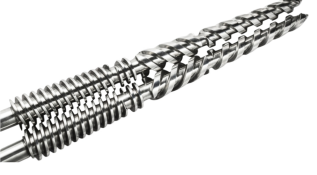
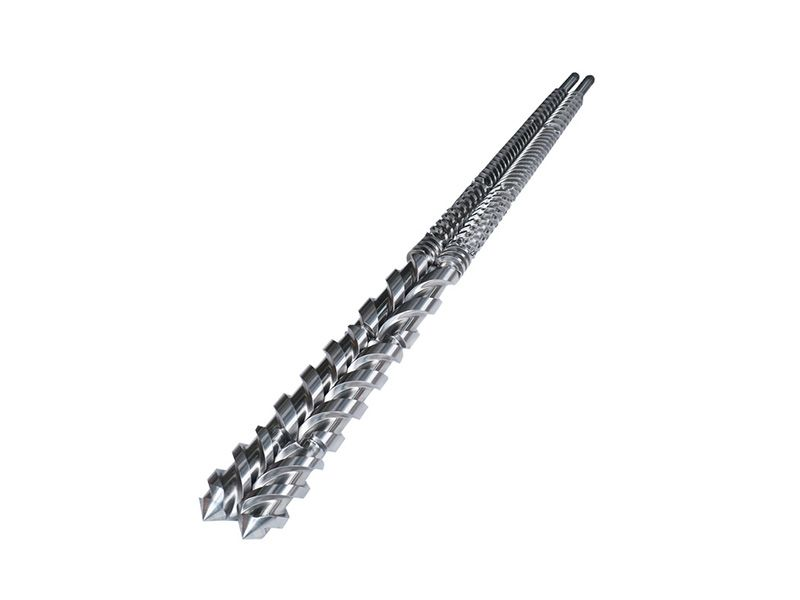
Figure 1. Conical twin screws for a PVC processing context. Material protection should follow the actual formulation and temperature history.
Identify the Chemical Exposure Behind the Damage
PVC and certain additive systems can generate corrosive degradation products under unfavorable processing conditions. Some flame retardants and coupling agents also affect material compatibility. Record the exact resin grade and additive information available from the compound supplier, including the recommended processing and shutdown procedures. The term flame retardant alone does not identify one chemistry or one corrosion risk.
Check when the damage developed. A problem that follows longer production stops or repeated overheating deserves a process review as well as a material review. Record actual melt and barrel temperatures where available, residence time changes, cleaning practices, and which grades ran before the damage appeared. Do not select a corrosion resistant barrel lining using the polymer name alone.
Separate Corrosion Evidence from Other Damage
Observation | Possible explanation | Next evidence to collect
Pitting or chemically attacked areas | Corrosion may be involved, sometimes together with abrasion. | Damage map, formulation, temperature history and specialist surface assessment.
Directional grooves or scoring | Hard contaminants, abrasive filler, rubbing, or a combination. | Feed cleanliness, filler details, alignment and corresponding screw marks.
Black deposits or recurring specks | Material degradation or deposits may be present. | Residence history, cleaning results and inspection of stagnation areas.
Damage concentrated on one side | Mechanical alignment or local contact may contribute. | Shaft runout, assembly alignment and paired bore measurements.
Photographs help locate the problem, but they rarely establish its mechanism by themselves. Clean and inspect the parts using a method suitable for their material and surface treatment. Preserve a dimensional record of the bore and screw flights, and request additional material or surface analysis when the cause remains uncertain. Several mechanisms can occur on the same part.
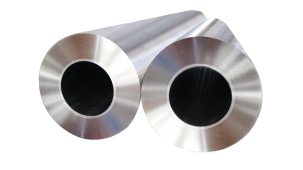
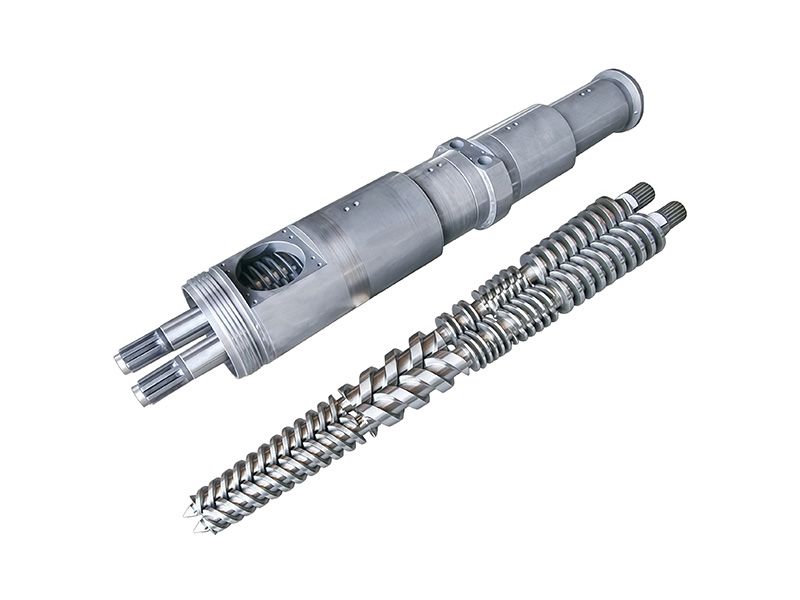
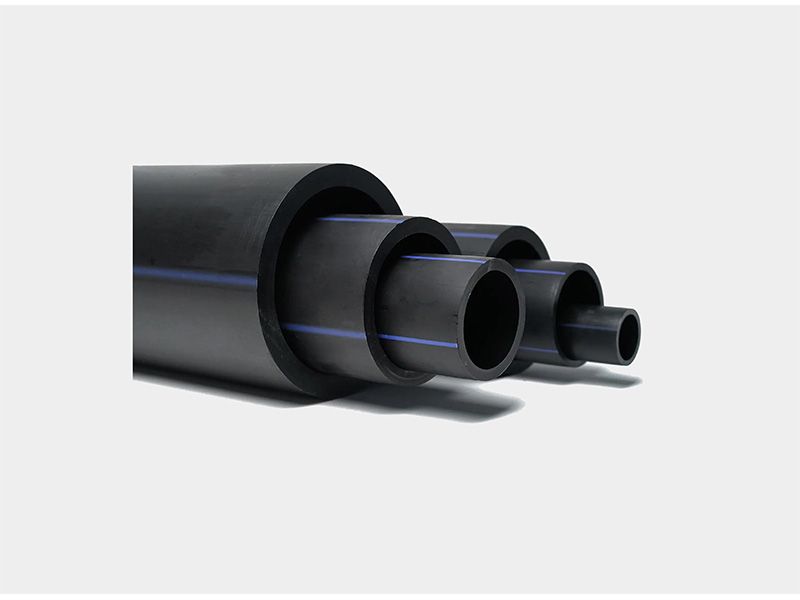
Figure 2. Barrel bodies illustrate the bore surfaces exposed to polymer processing. Corrosion performance depends on the specified alloy and operating conditions.
Review the Alloy and Every Exposed Working Surface
Nickel based alloys and selected stainless or other specialty materials may be considered where chemical attack dominates. The appropriate choice depends on the compound and operating window. If mineral filler or glass fiber also causes wear, ask for evidence that the proposed system addresses both abrasion and corrosion. Surface hardness alone cannot describe resistance to chemical attack.
Clarify whether the offer protects the barrel bore, the screw flights, the screw channels and root, or a combination of these areas. A screw with protected flight tips may still expose other surfaces to the melt. Review the mating material combination, finished clearance, and any separate liners or joints. Ask the supplier to state the scope and limits of the proposed protection on the drawing and quotation.
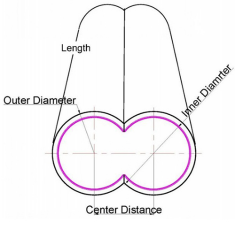
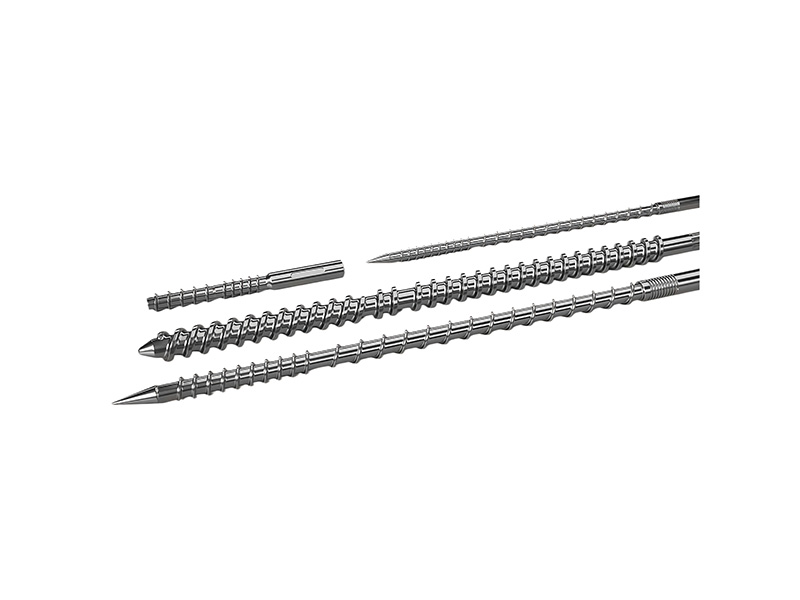
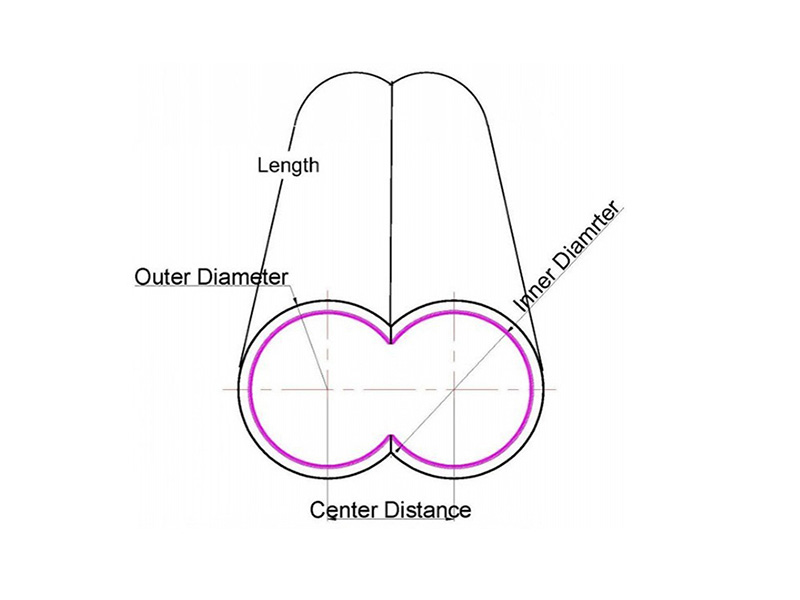
Figure 3. Sleeve geometry showing bore diameter and center distance. A liner proposal must preserve the installed geometry as well as specify the alloy.
Pair the Material Decision with Operating Controls
A corrosion resistant screw barrel for PVC still needs a controlled temperature history and a suitable cleaning and shutdown procedure. Follow the machine maker and resin supplier instructions for the grades actually processed. Confirm that sensors, heaters, and cooling are functioning, and investigate areas where material can stagnate. Avoid prescribing a universal purge resin or temperature for all formulations.
Before ordering, send the supplier the machine drawing, material grade, additive information, filled content, operating window, shutdown history, and dated damage photographs. Include measured dimensions and the previous component material if known. Ask for a written recommendation explaining the selected alloy, protected areas, mating materials, finish, inspection documents, and information still needed to finalize the specification.
Conclusion
A corrosion resistant screw barrel specification should connect chemical exposure to the surfaces that need protection. Identify the damage mechanism, review the complete material pairing, and correct process conditions that contribute to degradation. This gives PVC and flame retardant compound processors a clearer basis for selecting a replacement and judging its performance over time.
Related PIPLL Pages
• Bimetallic Alloy Selection
- Compare alloy choices against wear and corrosion duty.
• Bimetallic or Nitrided Screw Barrel
- Review alternative surface constructions.
• PIPLL Manufacturing Process
- Review production and inspection stages.
• Extruder Screw Wear Diagnosis
- Document operating changes before disassembly.
Discuss Your Screw and Barrel Application with PIPLL
Young | PIPLL | Screw and Barrel Solutions for Plastic Extrusion
Send your machine drawing, material information, and operating history to Young@pipll.com. WhatsApp: +86 150 5840 4692.
Website: www.pipll.com


+86 15267878906

1306 W building , NB-IoT Industrial Park, No. 199 Changxing Road, Jiangbei, Ningbo.
 Languages