 Languages
What Is a Bimetallic Screw and How Does It Work
What Is a Bimetallic Screw and How Does It Work?
A Complete Guide to Bimetallic Screw Barrel Technology for Plastic Processing
In plastic extrusion and injection molding, the screw is one of the most critical components affecting melting performance, mixing quality, production stability, and equipment lifetime.
As modern plastic processing requires higher output, better material compatibility, and longer operating cycles, traditional nitrided screws may not always provide sufficient wear resistance and corrosion protection.
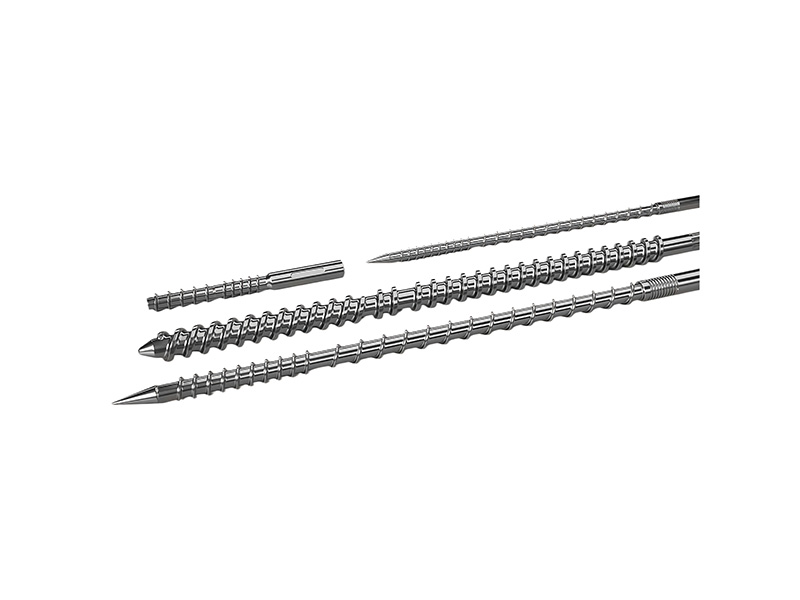
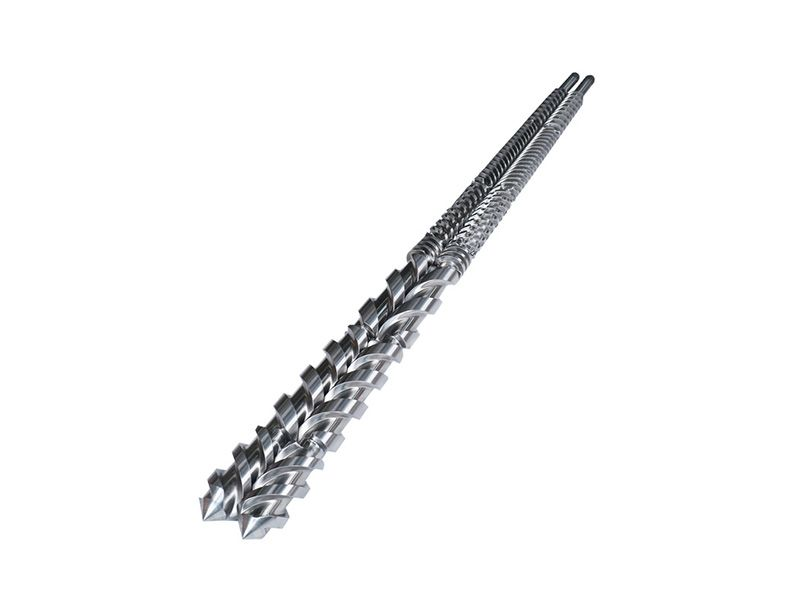
A bimetallic screw is an advanced screw solution designed to improve durability and processing performance by adding a wear-resistant alloy layer onto the screw flight surface. It is widely used in demanding applications where standard screws have limited service life.
This article explains what a bimetallic screw is, how a bimetallic screw works, its advantages, and how to choose the right bimetallic screw barrel for your application.
What Is a Bimetallic Screw?
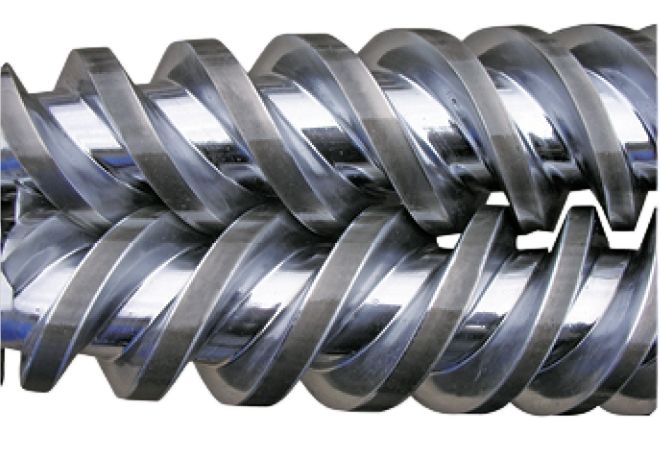
A bimetallic screw is a plastic processing screw manufactured with a special alloy coating or layer applied to the screw surface, especially on the flight areas that experience the highest wear during operation.
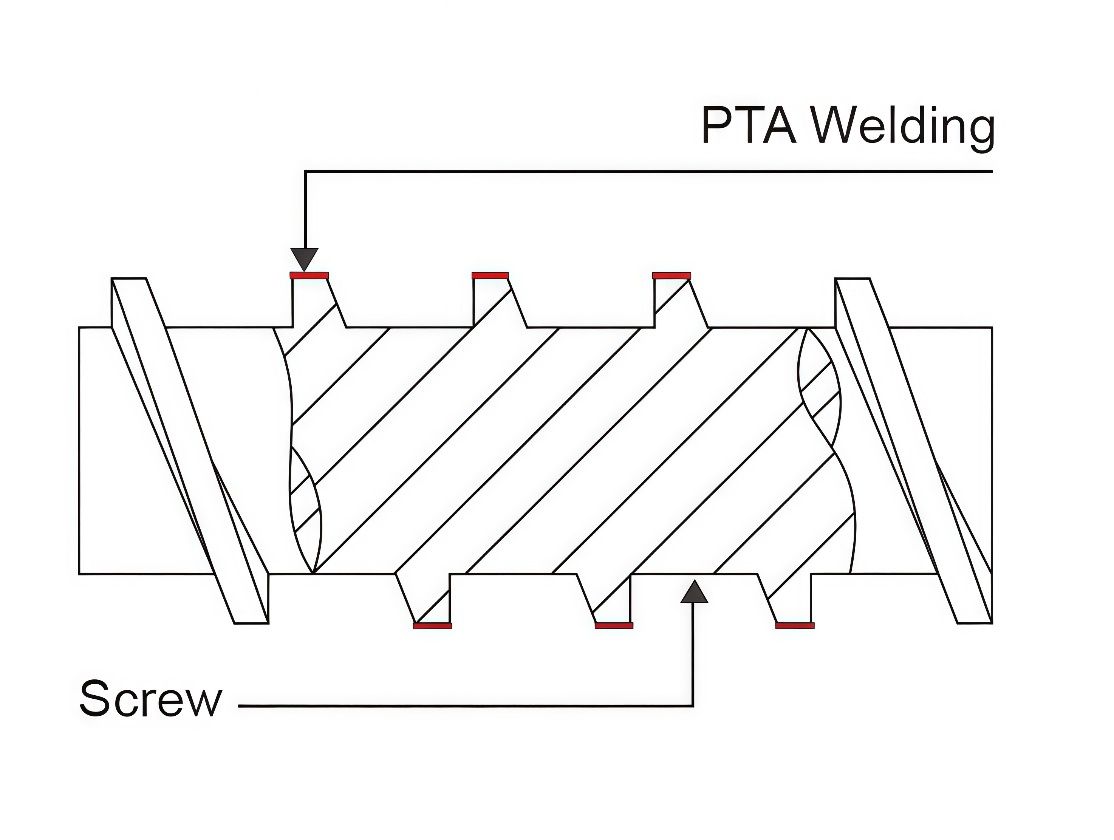
Unlike conventional screws made from nitrided steel, bimetallic screws combine:
· A high-strength base material for structural support
· A wear-resistant alloy layer for improved durabilityThis unique structure provides better resistance against abrasion, corrosion, and long-term mechanical stress.
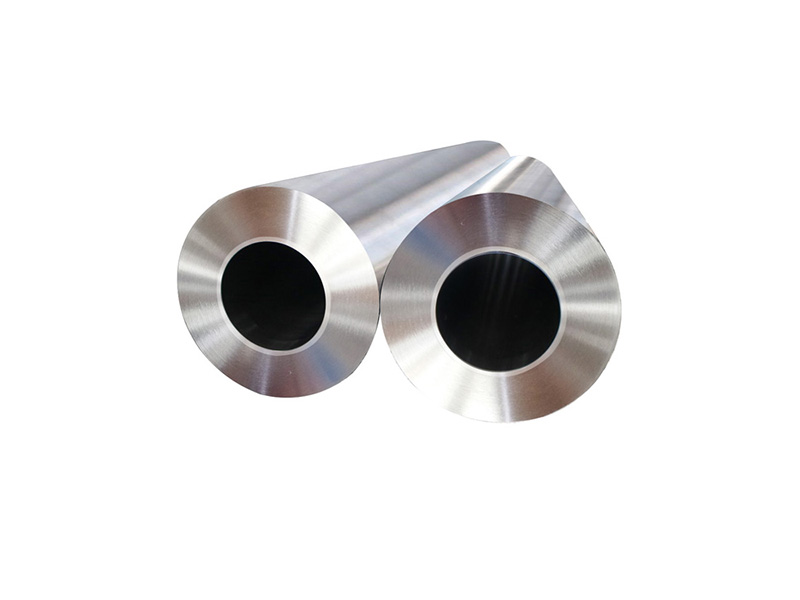
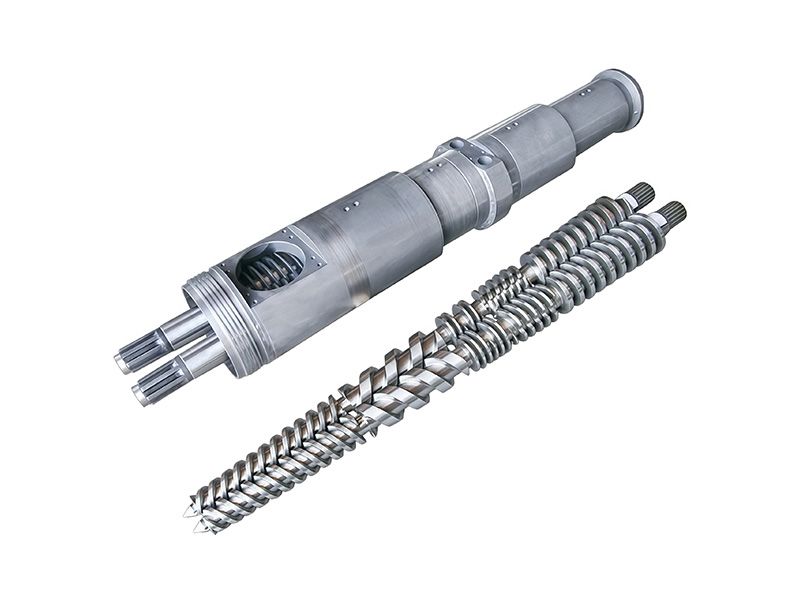
A complete bimetallic screw barrel system usually includes a bimetallic screw and a matching wear-resistant barrel, designed together to achieve stable plasticizing performance and extended service life.
How Does a Bimetallic Screw Work?
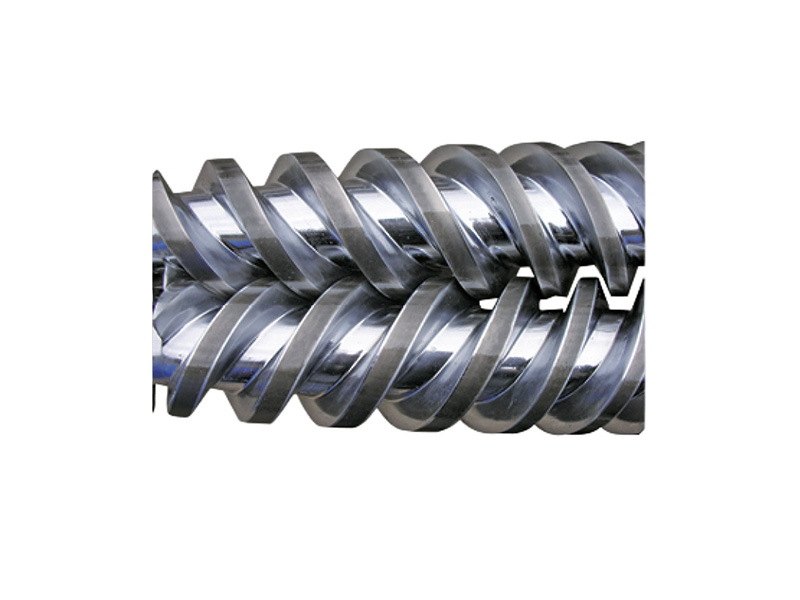
During plastic processing, the screw continuously rotates inside the barrel to transport, melt, mix, and homogenize polymer materials.
-
The working process includes:
-
1. Material Feeding
Plastic pellets enter the feed section of the screw. The screw flights transport the material forward while maintaining stable conveying performance.
-
2. Melting and Plasticization
As the material moves through the compression section, heat and mechanical energy gradually melt the polymer.
The optimized screw geometry helps improve:
· Melting efficiency
· Material mixing
· Melt uniformity
· Pressure stability -
3. Homogenization and Metering
In the metering section, the screw ensures consistent material flow before the melt reaches the die or injection unit.
A high-quality bimetallic screw helps maintain stable processing conditions even under continuous production.
-
Why Choose a Bimetallic Screw?
Nitrided Screw Bimetallic Screw Surface Hardened layer Alloy coating Wear Resistance Medium High Lifetime Standard Extended Compared with standard nitrided screws, bimetallic screws provide several advantages for demanding plastic applications.
-
1. Superior Wear Resistance
Plastic materials containing glass fiber, minerals, fillers, or recycled materials can cause significant abrasion during processing.
The alloy layer of a bimetallic screw provides enhanced protection against wear, helping extend component lifetime.
-
2. Improved Corrosion Resistance
Some polymers and additives may release corrosive substances during processing.
Bimetallic screw technology offers better resistance against chemical corrosion, making it suitable for challenging materials.
-
3. Longer Service Life
A longer-lasting screw reduces:
· Machine downtime
· Replacement frequency
· Maintenance costs
· Production interruptionsFor high-volume production environments, a wear-resistant screw barrel can significantly improve operational efficiency.
-
4. Better Processing Stability
A properly designed bimetallic screw barrel helps maintain:
· Stable pressure
· Consistent output
· Uniform melt quality
· Reliable plasticizing performanceThis is especially important for applications requiring strict product quality control.
-
Bimetallic Screw vs Nitrided Screw: What Is the Difference?
Feature Bimetallic Screw Nitrided Screw Surface Treatment Alloy wear‑resistant layer Nitrogen hardening treatment Wear Resistance Higher Moderate Corrosion Resistance Excellent Limited Service Life Longer in demanding applications Suitable for general applications Processing Materials Filled polymers, engineering plastics, abrasive materials Standard plastics Initial Cost Higher investment Lower initial cost For applications involving abrasive materials, high output requirements, or continuous production, a bimetallic screw is often a more cost-effective long-term solution.
How to Choose the Right Bimetallic Screw Barrel?
Selecting the correct bimetallic screw requires consideration of several factors:
-
1. Processing Material
Different plastics require different screw designs.
Important factors include:
· Polymer type
· Additives
· Reinforcement materials
· Processing temperatureFor example, glass-filled engineering plastics require stronger wear resistance compared with standard polymers.
-
2. Extrusion or Injection Application
The screw design should match the processing method.
Common applications include:
· Plastic extrusion
· Injection molding
· Pipe extrusion
· Sheet extrusion
· Profile extrusion -
3. Screw Design Parameters
Key parameters include:
· Screw diameter
· L/D ratio
· Compression ratio
· Mixing section design
· Material feeding characteristicsA customized design helps achieve better melting performance and production stability.
-
How Is a Bimetallic Screw Manufactured?
How Is a Bimetallic Screw Manufactured?
1. Base Screw Manufacturing
A high-strength alloy steel is selected and machined according to customer requirements.
2. Surface Alloy Application
A wear-resistant alloy layer is applied to the screw flight surface using specialized technology.
3. Heat Treatment and Machining
The screw undergoes precision machining and finishing processes to achieve accurate dimensions.
4. Quality Inspection
Final inspection ensures:
· Dimensional accuracy
· Surface quality
· Hardness performance
· Processing reliabilityA professional bimetallic screw manufacturer must combine material expertise, precision machining capability, and quality control systems.
Applications of Bimetallic Screw Barrel
Bimetallic screw barrels are widely used in:
· PVC extrusion
· PE pipe extrusion
· PP sheet extrusion
· ABS processing
· PC extrusion
· Engineering plastics
· Filled and reinforced polymers
· Recycling applicationsWhy Choose PIPLL as Your Bimetallic Screw Manufacturer?
PIPLL provides customized bimetallic screw barrel solutions for plastic extrusion and injection molding applications.
With professional engineering experience and manufacturing capability, PIPLL focuses on:
· Customized screw design
· Wear-resistant materials
· Stable processing performance
· Long service life solutionsWhether you need a standard replacement screw or a customized bimetallic screw barrel for a specific application, PIPLL works with customers to develop reliable extrusion components.
Frequently Asked Questions
What is the service life of a bimetallic screw?
The service life depends on the material being processed, production conditions, screw design, and operating environment. Compared with standard screws, bimetallic screws generally provide significantly improved durability in abrasive applications.
What is the difference between a bimetallic screw and a nitrided screw?
The main difference is the surface protection technology. Bimetallic screws use a wear-resistant alloy layer, while nitrided screws rely on surface hardening treatment. Bimetallic screws generally provide better wear and corrosion resistance.
Is a bimetallic screw suitable for injection molding?
Yes. Bimetallic screws are widely used in injection molding applications, especially when processing abrasive or reinforced materials.
Conclusion
A bimetallic screw is an advanced solution for improving plastic processing performance, extending component lifetime, and reducing production costs.
For manufacturers requiring reliable performance in extrusion and injection molding, choosing the right bimetallic screw barrel manufacturer is essential.
PIPLL provides customized screw and barrel solutions designed to meet different material requirements and production challenges.