 Languages
Vented Extruder Barrel 6 Checks Before a Vent Port Retrofit
Vented Extruder Barrel
6 Checks Before a Vent Port Retrofit
A vented extruder barrel is not a universal cure for bubbles, odour, contamination or unstable output. It can help release moisture and volatile gases in suitable processes, but it also changes the pressure balance, screw design and mechanical layout of the extruder. PIPLL reviews these conditions before recommending a vent-port retrofit.
PIPLL treats the vent question as a process and component decision together, because a port that is correct for one material or line can be unsuitable for another.
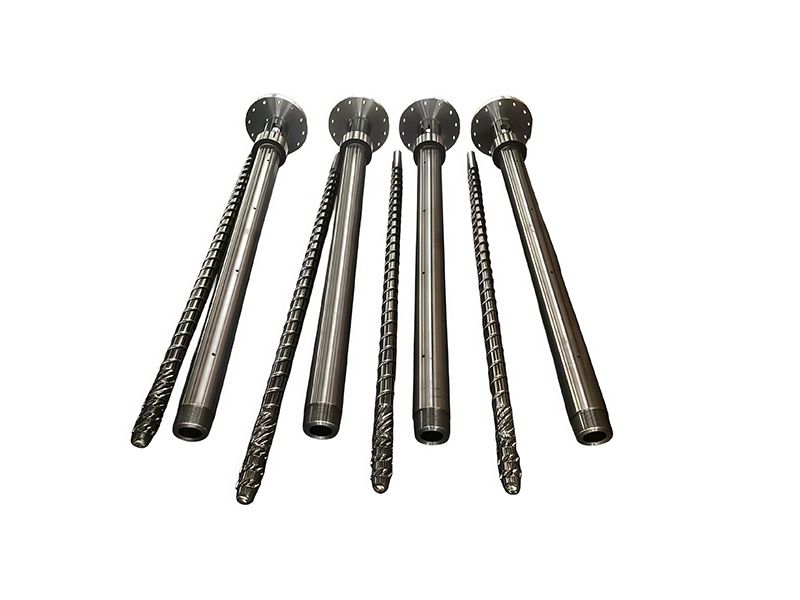
Before modifying the barrel, confirm whether the defect actually comes from gases or moisture, whether the material is appropriate for venting, and whether the existing screw can transport and re-compress the melt after the vent section. For broader screw and barrel needs, custom screw and barrel service can be reviewed alongside the vent project.
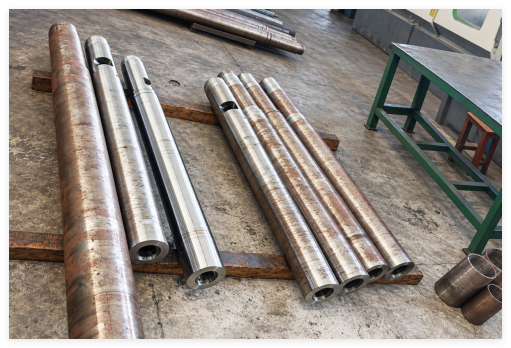
Define the Problem the Vent Should Solve
Start with evidence, not the assumption that a vent will solve every defect. A vented extruder barrel may be considered when trapped moisture, residual volatiles or gases are linked to the material and appear consistently in the product or process. It is less likely to solve issues caused by contamination, poor mixing, a blocked screen pack or an unstable die.
- > When the defect appears and whether it changes after drying or a material change
- > Material source, regrind percentage and any known moisture or volatile content
- > Product symptoms such as bubbles, voids, odour, surface marks or pressure fluctuation
- > Current melt temperature, output, screw speed and recent shutdown history
Confirm That the Material and Process Need Venting
Some recycled, hygroscopic or volatile-containing materials may benefit from controlled venting, while other lines are better served by improved drying, material handling or purge practice. A vented extruder barrel should be selected because the material and process data support it, not because the line has a general quality problem.
PIPLL asks for the actual polymer, additives, regrind policy and production conditions so the venting question can be separated from broader material and equipment issues.
Drying should still be checked even when venting is under consideration. A vent port may help remove a limited amount of gas or moisture in an appropriate process, but it is not a substitute for the resin supplier's recommended handling conditions. If a controlled drying test removes the defect, the best action may be to correct material preparation rather than redesign the extruder barrel. Learn more about PET flake and rigid regrind processing.
Review the Screw Profile Around the Vent Zone
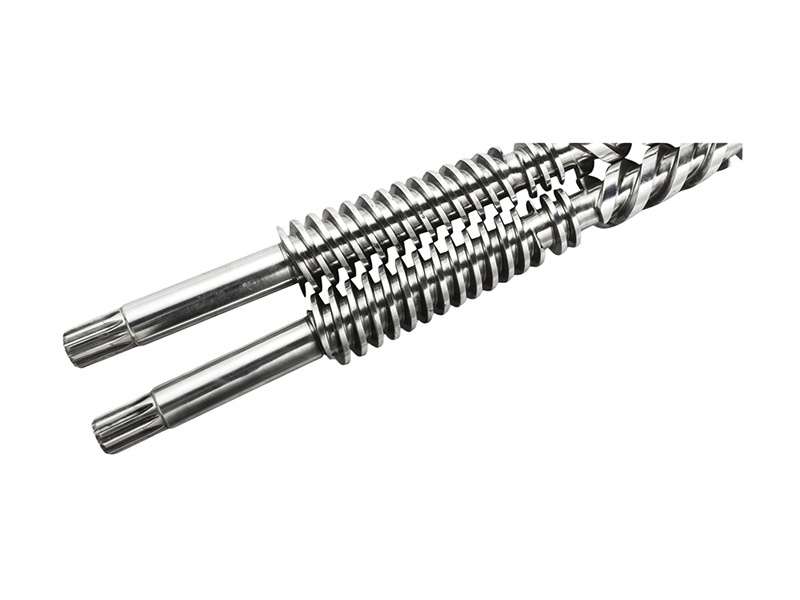
A vent port needs the correct pressure conditions. Upstream of the vent, the screw must melt and convey the material without forcing it out of the opening. Downstream, it must re-compress and pump the melt toward the die. A standard screw designed for a non-vented barrel may not create a safe or stable vent zone.
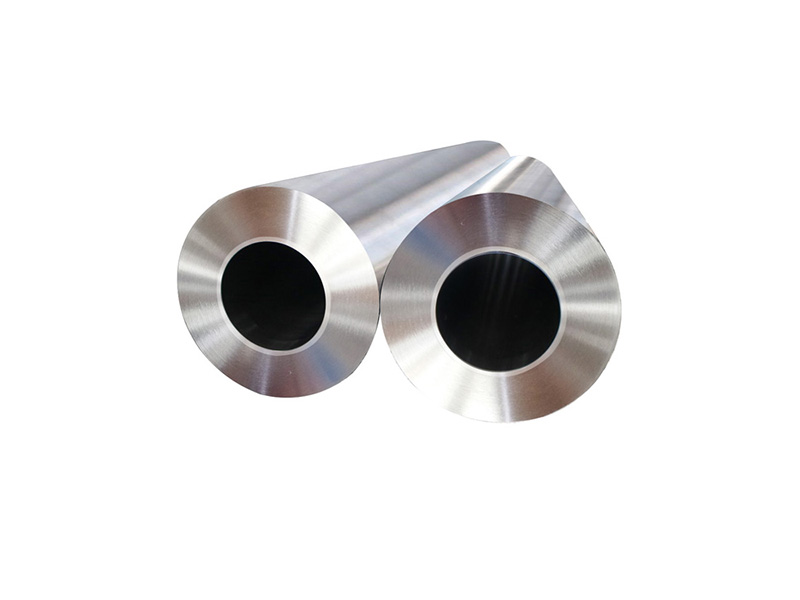
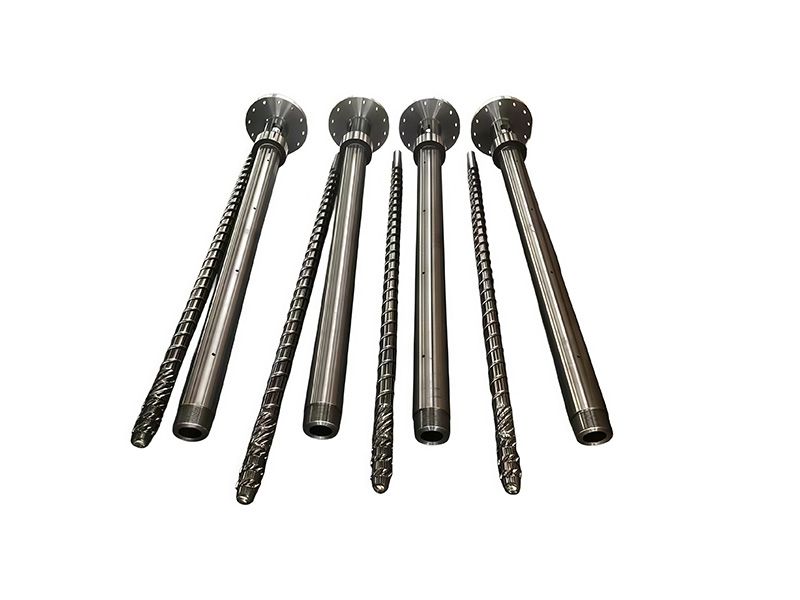
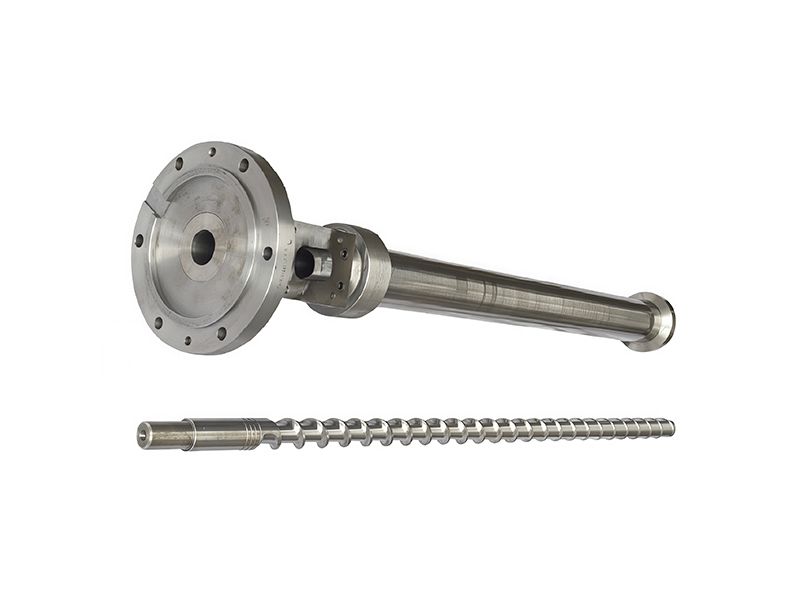
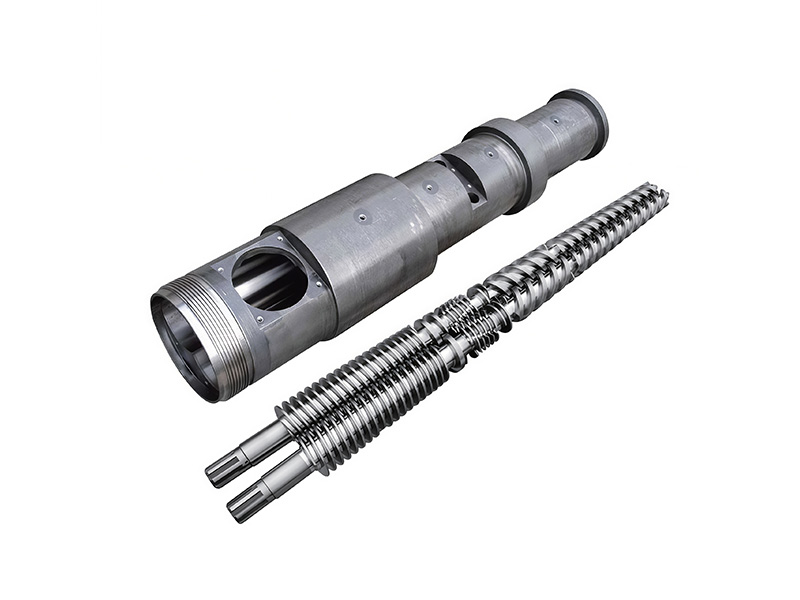
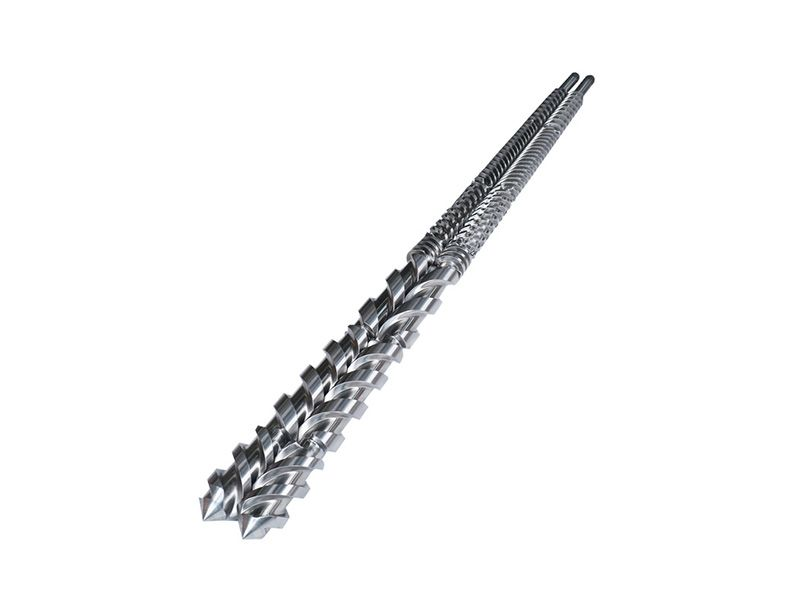
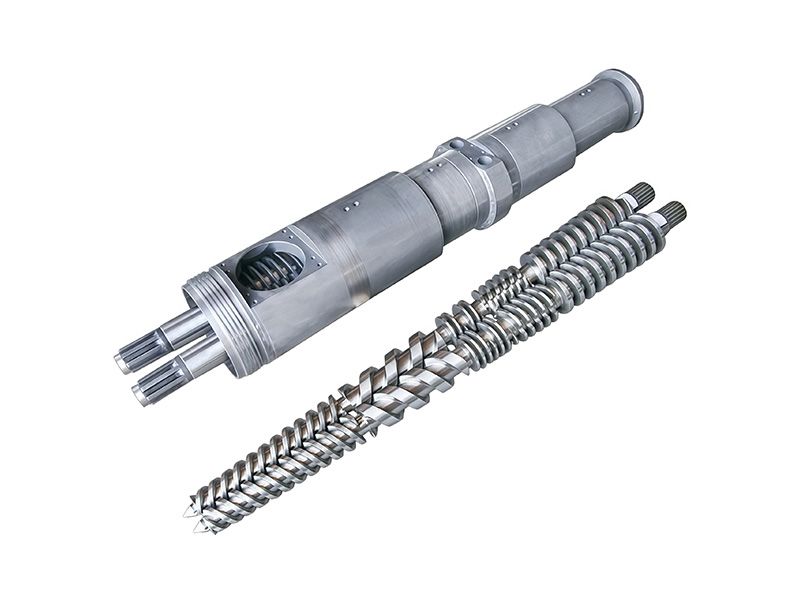
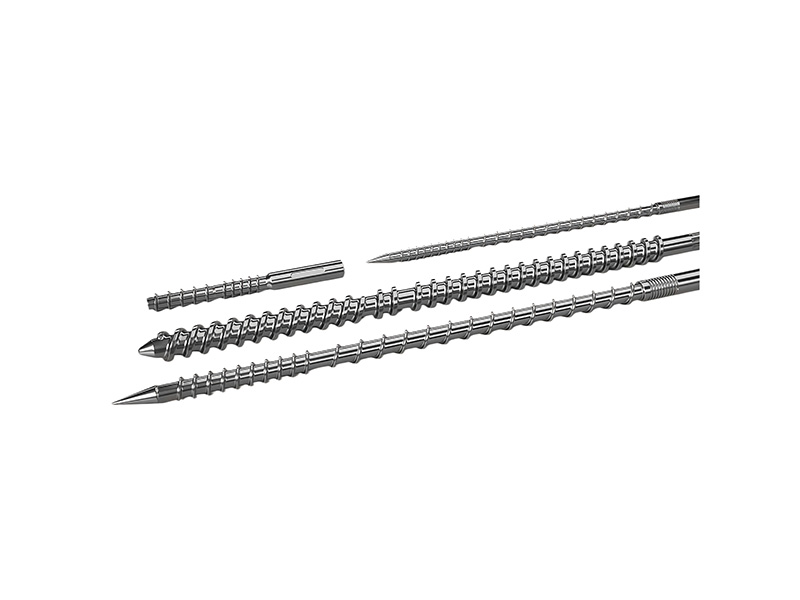
For a vented extruder barrel retrofit, PIPLL reviews the existing flight profile, working length, feed condition and available space before deciding whether the screw, barrel or both components need redesign. single screw barrel geometry is a key part of this evaluation.
Locate the Vent Port and Its Supporting Hardware
Port position is a mechanical and process decision. It must align with the intended low-pressure zone while preserving the barrel's heater, cooling, support and connection arrangements. The vent assembly may also need a cover, condensate handling, vacuum connection or other supporting hardware depending on the application.
PIPLL confirms these interfaces before a vented extruder barrel is machined so the proposed port does not conflict with the installed line arrangement.
Item to confirm Why it matters What can go wrong if missed Vent position along the working length The material must reach the port at a suitable melt and pressure condition Material can surge from the port or venting may have little effect Screw geometry before and after the port The screw must create a controlled vent zone and rebuild pressure downstream Poor conveying, unstable pressure or inconsistent output Heater cooling and barrel support locations A port changes the barrel body and thermal arrangement Mechanical interference or uneven temperature control Vacuum or vent-hood requirement Some applications need controlled gas removal rather than an open port Fumes, odour or insufficient removal of volatiles Open Vent and Vacuum Vent Are Different Decisions
An open vent may be appropriate for a process with a modest gas-removal requirement and well-controlled material conditions. A vacuum-assisted system has different requirements for sealing, vapour handling, maintenance and operating control. Neither option should be selected from a photograph of the barrel alone. The material behaviour, vent-zone pressure, output target and site equipment all matter.
PIPLL can evaluate the screw and barrel side of the project, while the customer should also confirm the practical requirements for any vacuum or fume-handling equipment with the relevant line and site specialists. This keeps the mechanical design aligned with the actual installation rather than treating the vent port as an isolated modification.
Check the Upstream and Downstream Process Limits
A vented extruder barrel affects more than the barrel itself. Feed consistency, drying practice, screen-pack condition, die pressure and downstream puller or pelletising stability should be reviewed. If the line is already close to a pressure or output limit, a retrofit may expose a different restriction elsewhere in the process.
PIPLL compares the line data with the customer's practical objective, whether that is reducing visible defects, improving process stability or handling a changed feedstock. This helps keep the modification focused on an identifiable requirement.
The vent area must also remain inspectable. Material build-up around the opening, cover or connected equipment can affect venting performance and may create its own cleaning burden. Include access, cleaning practice and shutdown procedure in the project discussion so the new configuration can be maintained in normal production.
Decide Whether a Retrofit Is the Right Path
A retrofit can be sensible when the material and process clearly need venting and the existing machine can accept the required barrel and screw changes. It may not be the right choice when the real cause is poor drying, contamination, a damaged die, incorrect temperature control or wear that already prevents stable conveying.
PIPLL can help compare these possibilities from the available line data and component information before the customer commits to a barrel modification.
- Verify the defect with controlled material and production records.
- Confirm the material condition and the practical reason for venting.
- Provide the machine nameplate, current screw and barrel details, photos and drawing if available.
- Review the existing flight profile, barrel interfaces and downstream requirements before machining begins.
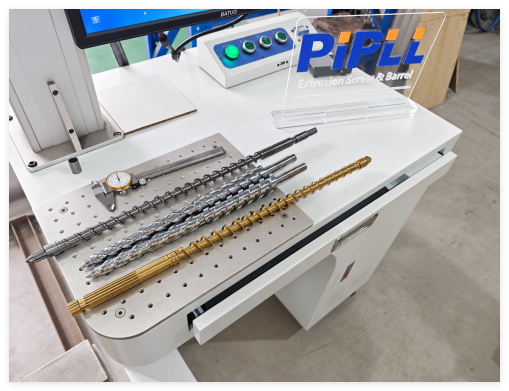
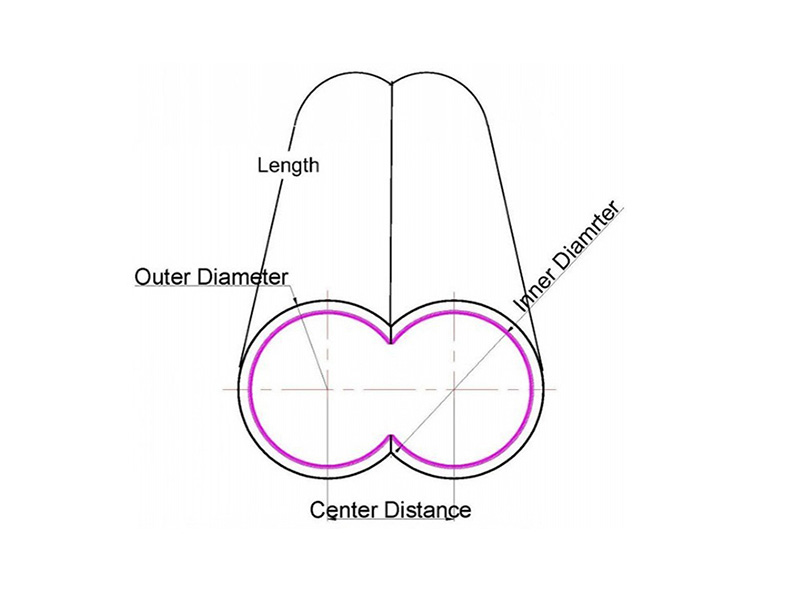
Figure 2. Dimensional inspection supports a complete screw and barrel review. The small pieces shown are laboratory or inspection units.
What to Send for a Vented Extruder Barrel Review
A useful review needs the material information, current line data and mechanical details together. Send PIPLL the extruder model, polymer and additive information, regrind percentage, defect description, current output, temperature profile, pressure data, screw and barrel photos, plus any drawing or measured dimensions.
If the existing components can be removed, photograph the vent area and screw in their installed orientation before cleaning or packing. Show the gearbox connection, feed throat, heater and cooling interfaces as well. These references help prevent a vented extruder barrel project from overlooking a local mechanical constraint.
Confirm the Process Before Modifying the Barrel
A vented extruder barrel can improve a suitable process, but it should be treated as a matched screw-and-barrel project rather than a single hole added to an existing part. Confirm the cause, material, pressure zones, screw profile and machine interfaces first. This gives the retrofit a practical basis for stable operation.
Contact PIPLL when you need a technical review of a vented extruder barrel or a replacement screw and barrel configuration. Learn more about the PIPLL manufacturing process .
Technical and Sales Contact
Harry Jiang | PIPLL
Screw and Barrel Solutions for Plastic Extrusion
Email: Harry@pipll.com
WhatsApp: +86 182 6854 1152
www.pipll.comOr contact PIPLL for a structured replacement review.