 Languages
Conical Twin Screw Bimetallic Gui de lntegrated
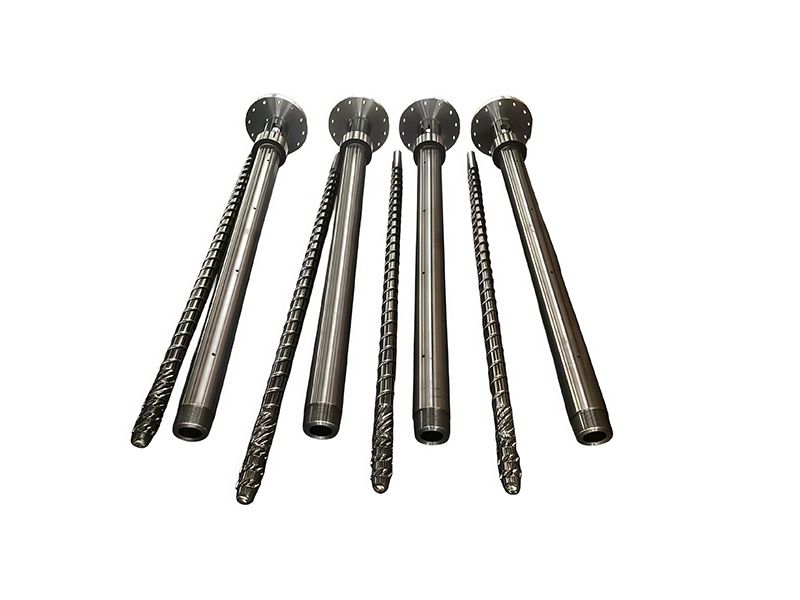
Conical Twin Screw & Bimetallic Barrel Buying Guide
Custom vs. Standard Solutions for High-Performance Plastic Extrusion Lines
1. Introduction: Why Screw & Barrel Selection Dictates Extrusion ROI
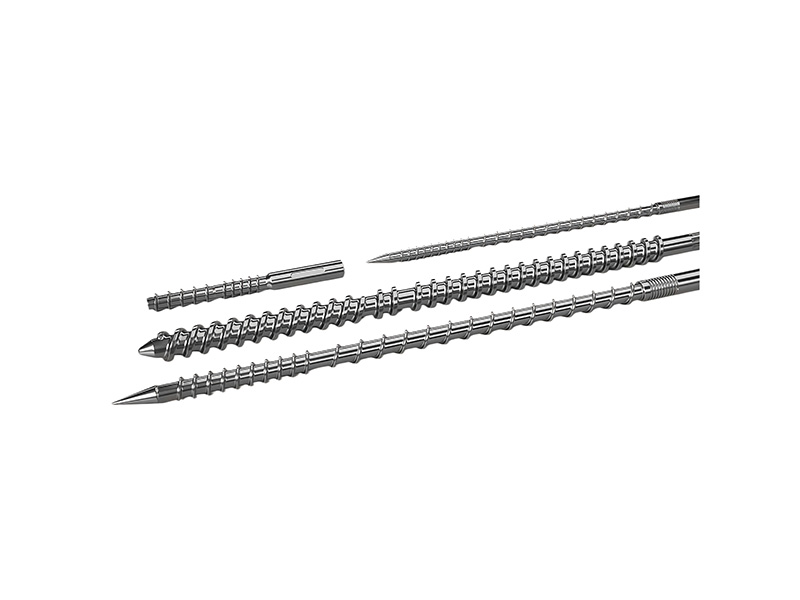
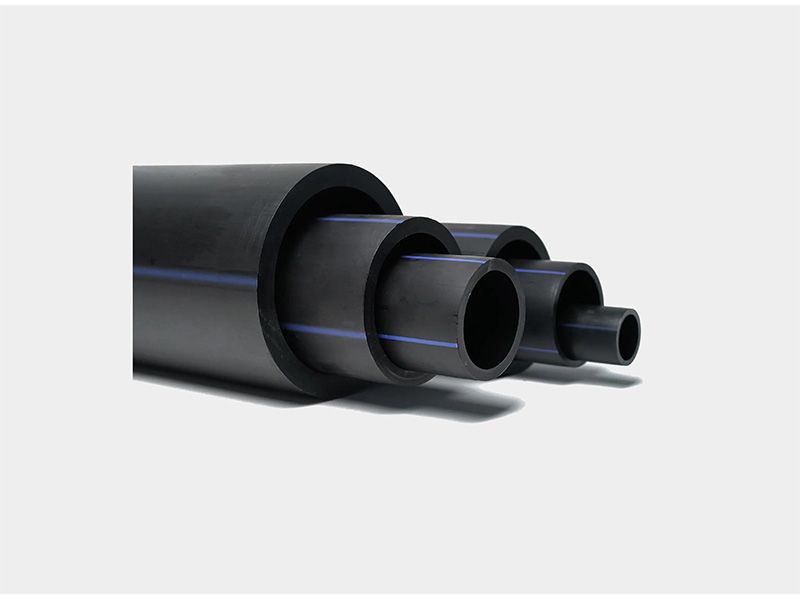
In high-throughput plastic extrusion—particularly for PVC pipes , window profiles, technical sheets, and recycling—the screw and barrel assembly is the beating heart of the system. Extrusion line operators face a constant challenge: balancing processing precision with component durability under extreme thermal shear, corrosive chemical byproducts, and highly abrasive fillers.
According to industry research, over 67% of B2B buyers complete their technical evaluation before contacting sales. Choosing between standard replacement parts and custom-engineered Conical Twin Screws and Bimetallic Barrels is the single most critical decision impacting production uptime, melt homogeneity, and long-term operating costs.
Key Metric Impact Performance Improvement Lifespan vs. Nitrided Barrels 3–5× Longer Long‑Term Maintenance Expenses -50% Reduction Annual Net Production Output +13% Increase 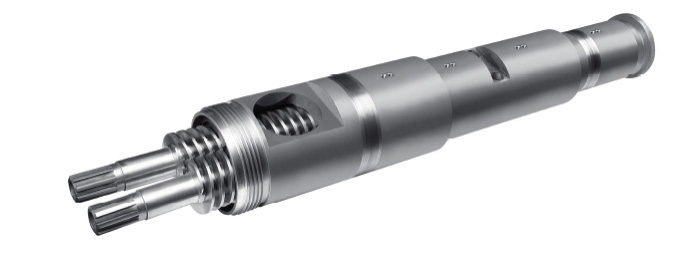
2. Resin-Specific Materials & Processing Matrix
Choosing the right screw geometry and bimetallic coating depends heavily on the primary polymer processed. Plastic resins range from commodity formulations to high-performance engineering plastics, each posing unique processing demands:
Polymer Category Primary Resins Key Properties & Extrusion Challenges Processing Requirements Commodity Polymers (80%+ of Extrusion) PE (HDPE, LDPE, LLDPE) Good chemical resistance and flexibility; processing temps: 160–240°C. Standard/Abrasive‑resistant screws depending on CaCO₃ loading. Commodity Polymers PP Lowest density (0.90–0.91 g/cm³), excellent heat/chemical resistance; 180–260°C. High shear stability; minimal pre‑drying needed. Commodity Polymers PVC (Rigid / Soft) Flame retardant, cost‑effective; thermally sensitive, releases corrosive HCl gas; 160–200°C. Conical Twin Screw for gentle plasticization & Ni‑Based Bimetallic Barrel. Commodity Polymers PET / ABS / PS PET has high barrier/transparency (requires 120°C/4h drying); ABS offers rigidity/toughness. Moderate wear protection; strict moisture control for PET/ABS. Engineering Plastics (High‑End) PC (Polycarbonate) 89% light transmittance, extreme impact strength, high melt viscosity; 260–310°C. Deep pre‑drying (120°C/4–6h) and high torque capability. Engineering Plastics PA (Polyamide) / POM PA offers high wear resistance/oil resistance; POM has metal‑like rigidity; 170–260°C. Tungsten Carbide protection for glass‑filled (GF) reinforced grades. Engineering Plastics PBT Excellent electrical insulation, rapid crystallization, weather resistance; 220–260°C. Corrosion/abrasion balance; strict pre‑drying (120°C/3h). 3.What is a Conical Twin Screw & Why Is It Preferred for PVC?
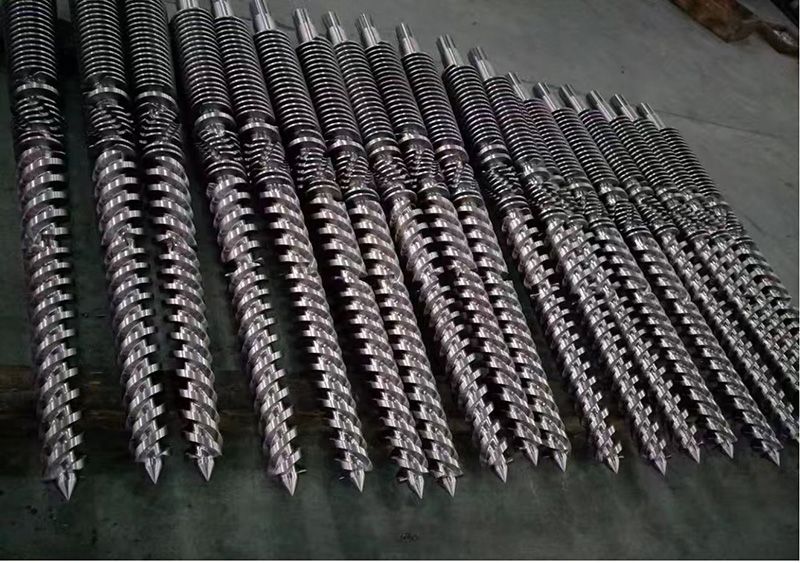
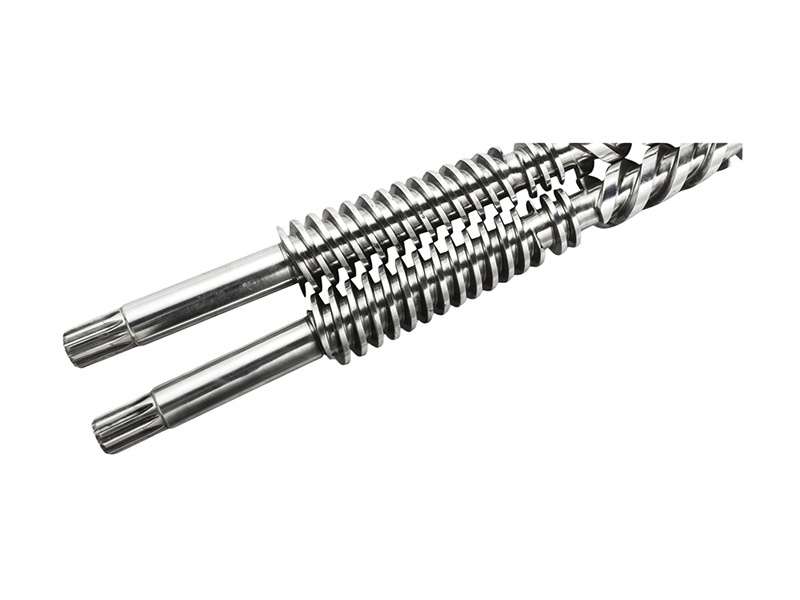
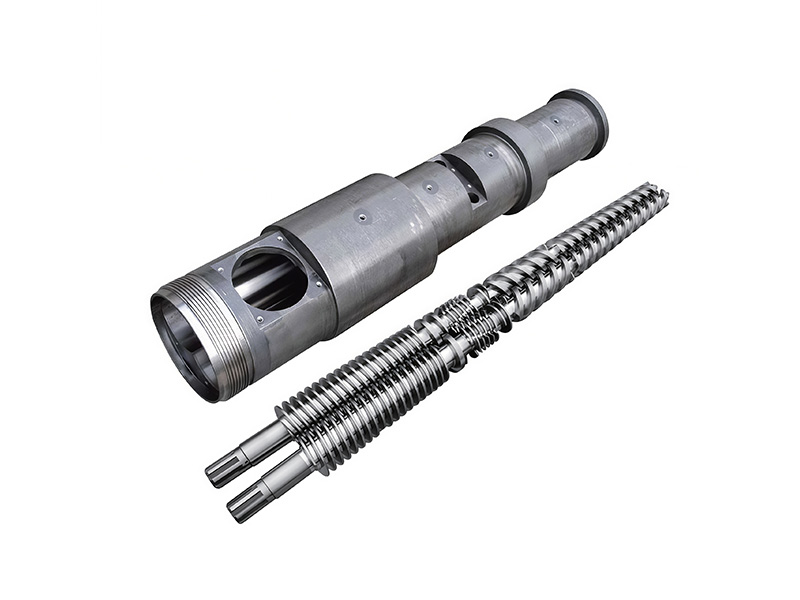
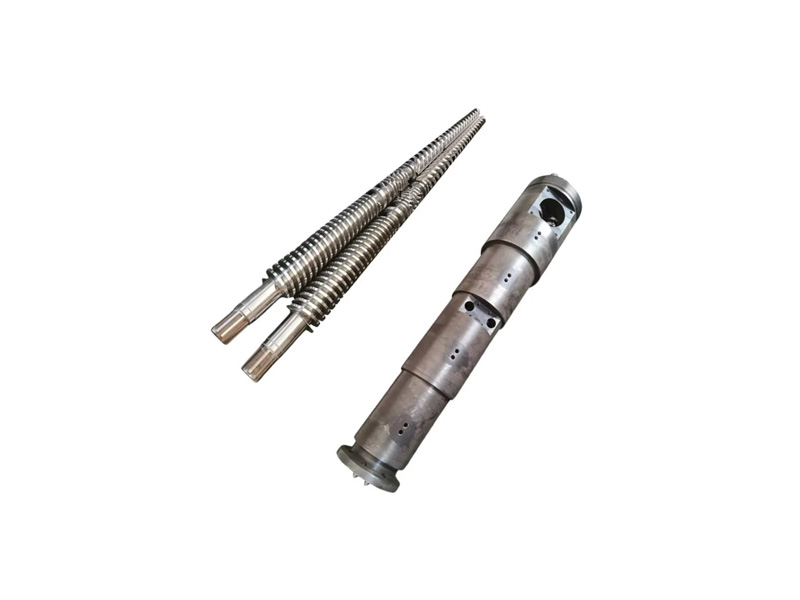
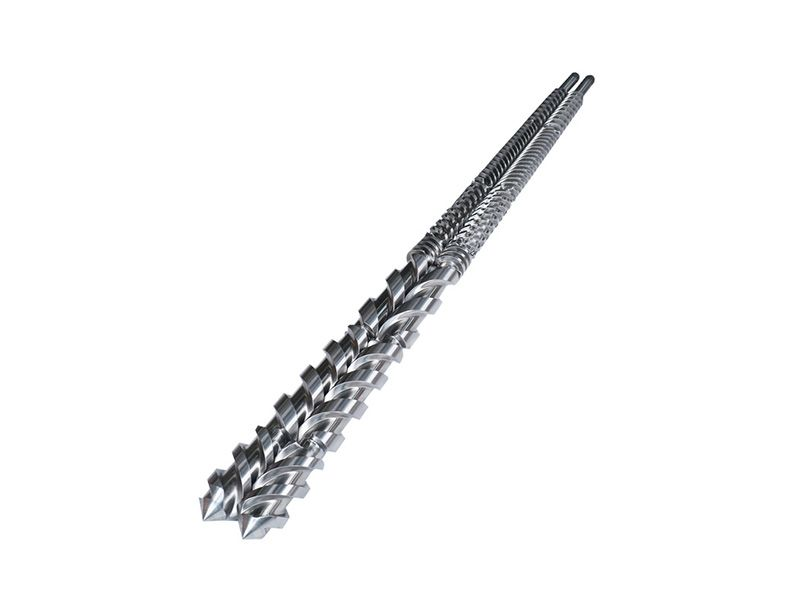
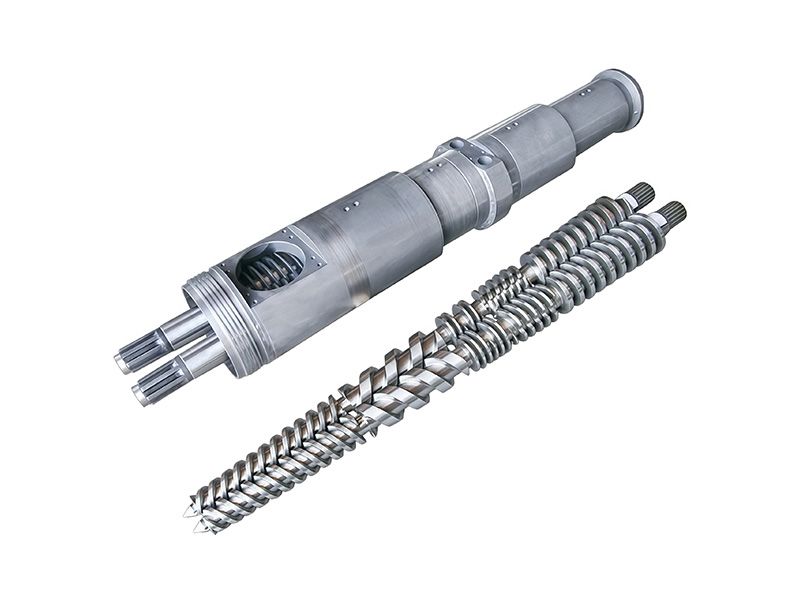
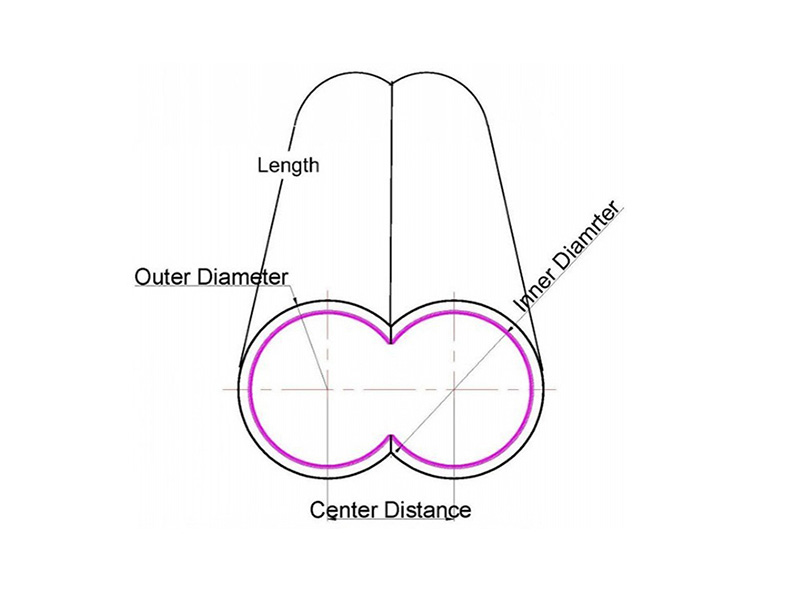
Unlike parallel twin screws, a Conical Twin Screw features a tapered geometry where the feed section has a significantly larger diameter than the discharge end. This unique conical taper provides two key processing advantages, particularly for heat-sensitive and filled polymers:
· Superior Feed Capacity & Premixing: The large intake zone easily accepts bulky PVC powders and high-filler formulations (e.g., 20–50 PHR CaCO₃) without clogging, bridging, or feed neck starvation. · Controlled Compression & Homogeneous Melt: As the material moves toward the smaller discharge diameter, compression increases progressively, generating high torque at lower RPMs. This minimizes thermal degradation while ensuring thorough, uniform plasticization.4. Bimetallic Protection: Defeating Abrasion and Corrosion
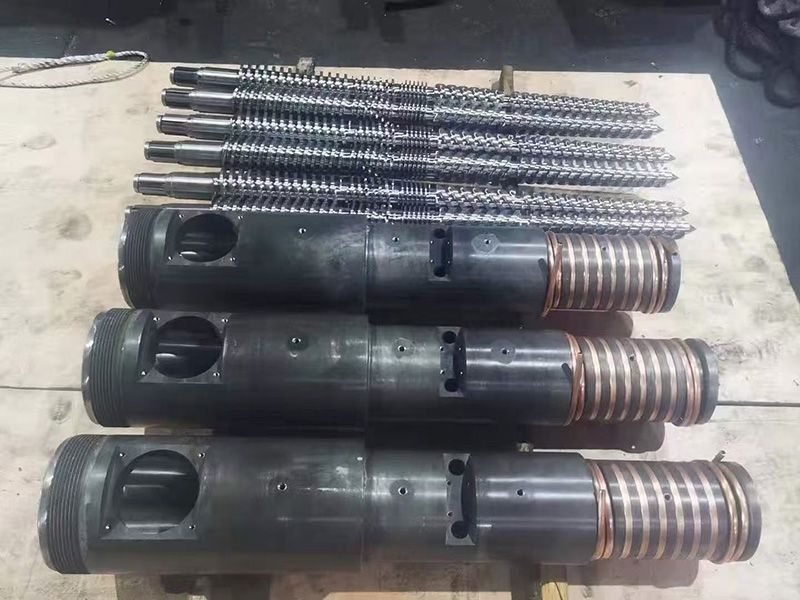
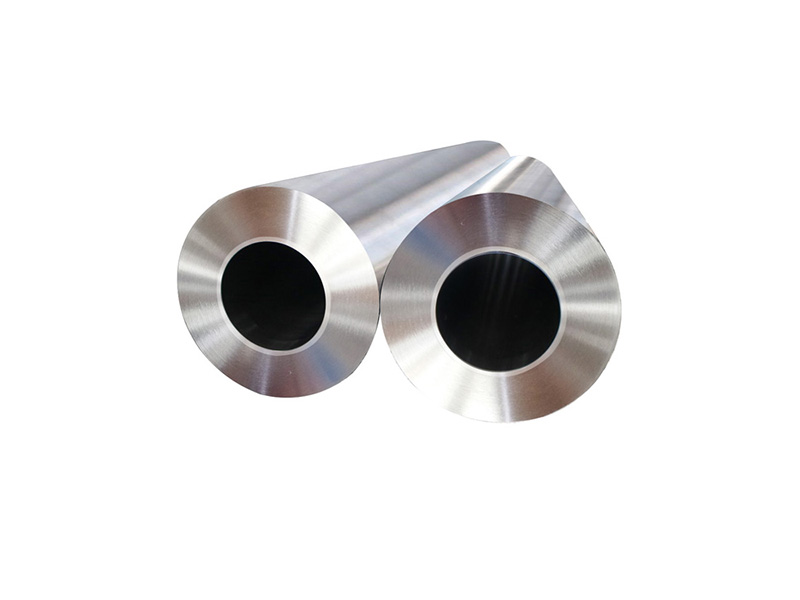
Standard nitrided barrels offer a thin protective layer of approximately 0.5 mm, which rapidly wears away when processing abrasive recyclates, glass-reinforced compounds, or corrosive resins. A Bimetallic Barrel features a centrifugally cast alloy liner with a thickness of 1.8 mm to 3.5 mm, fused to a high-strength structural steel base.
Alloy Coating Type Composition / Hardness Primary Wear Resistance Ideal Resin Applications Nickel‑Based Alloys (Ni‑B, Ni‑Cr) High Nickel & Chrome content Extreme Corrosion Resistance PVC, CPVC, Flame Retardants, Fluoropolymers Tungsten Carbide (WC Alloy) Hardness up to 1800 HV Extreme Abrasion Resistance Glass‑filled resins (PA/PP + 30% GF), Recyclates, PET flakes Colmonoy Alloys (Colmonoy 56/83) Balanced Ni‑Cr‑B matrix Balanced Wear & Corrosion General‑purpose engineering polymers, CaCO₃ filled PE/PP 💡 Pro Tip: Always verify the drying requirements of hygroscopic resins like PC, PA, PET, and PBT prior to extrusion. Residual moisture causes hydrolysis, resulting in bubble formation, lowered mechanical strength, and accelerated melt instability.
5. Custom vs. Standard Extruder Components: Technical Comparison
Feature / Parameter Standard Components Custom Bimetallic / Conical Screws Initial Capital Cost Lower upfront investment 2–3× higher initial investment Delivery Lead Time Short (In‑stock items: 1–2 weeks) 4–8 weeks for custom CNC machining Wear Lifespan 12–18 months (Nitrided) 36–60 months (3–5 Years) Downtime Frequency Frequent maintenance shutdowns Downtime reduced by up to 38% Formula Flexibility Limited to standard virgin resins Tailored flight design for high filler, GF, & regrind Overall Lifecycle ROI Higher cumulative cost over time 50–70% total cost savings long‑term 6. Compatibility with Leading Extruder Brands
Premium conical twin screws and bimetallic barrels are precision-engineered to meet or exceed OEM specifications for the world's leading machinery manufacturers:
· European & American Machinery: KraussMaffei, Battenfeld-Cincinnati, Weber, Milacron, Theysohn
· Asian Machinery Leaders: Jwell, Liansu, Haitian, ToshibaMajor global plastic pipe, profile, sheet, and recycling producers rely on precision-matched bimetallic screw sets to maintain tight dimensional tolerances, eliminate melt pressure fluctuations, and maximize line efficiency across demanding shifts.
7. Why Partner with PIPPL?
As a trusted bimetallic screw barrel manufacturer , PIPPL engineers custom extrusion solutions designed for extreme wear environments. From optimized L/D ratios to precision alloy centrifugal casting, PIPPL components help plastic manufacturers cut maintenance downtime and maximize extruder output.
Ready to upgrade your extrusion line with reliable, wear-resistant components?
Discover our custom OEM solutions at: https://www.pipll.com/