 Languages
Bimetallic Screw Barrel Guide
What Is a Bimetallic Screw Barrel?
Benefits, Material Selection, and Buying Guidance for Plastic Processing
A screw barrel operates under continuous pressure, heat, friction, and material flow. When the process uses abrasive fillers, recycled material, glass fiber, mineral compounds, or demanding production cycles, conventional components can wear faster than expected.
A bimetallic screw barrel is designed to improve resistance to wear inside the barrel bore. It can be a practical option when a standard nitrided barrel no longer provides a suitable service interval or stable production performance.
This guide explains what a bimetallic screw barrel is, when it is worth considering, and what information should be confirmed before ordering one.
GET A FREE QUOTE NOW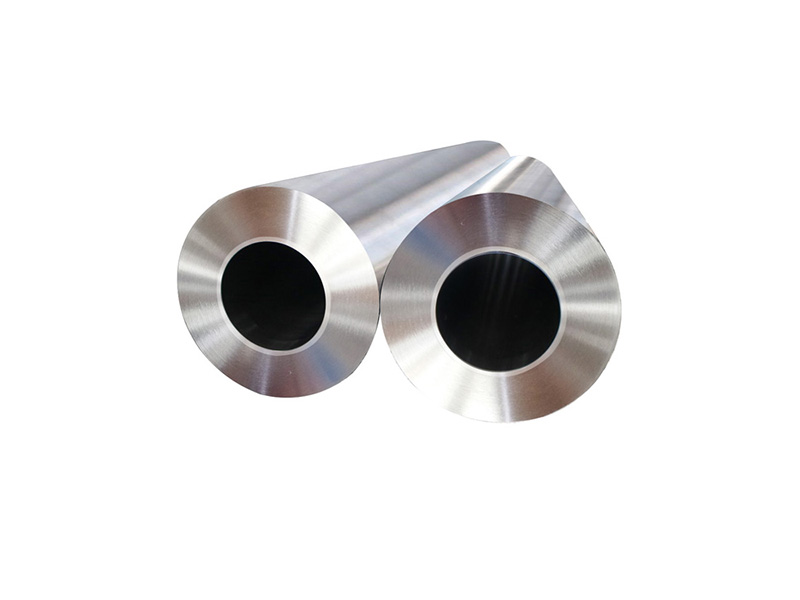
What Is a Bimetallic Screw Barrel?
In extrusion and injection processing, the term bimetallic screw barrel usually refers to a barrel with a high‑strength base material and a wear‑resistant alloy layer on the inner working surface. The alloy lining is intended to protect the bore that is exposed to continuous contact with the screw and processed material.
The exact alloy system, layer thickness, manufacturing method, and final properties depend on the machine, material, and operating condition. A bimetallic barrel is not simply a harder version of a standard barrel. The selected material system must still be compatible with the screw design, processing temperature, pressure, and material formulation.
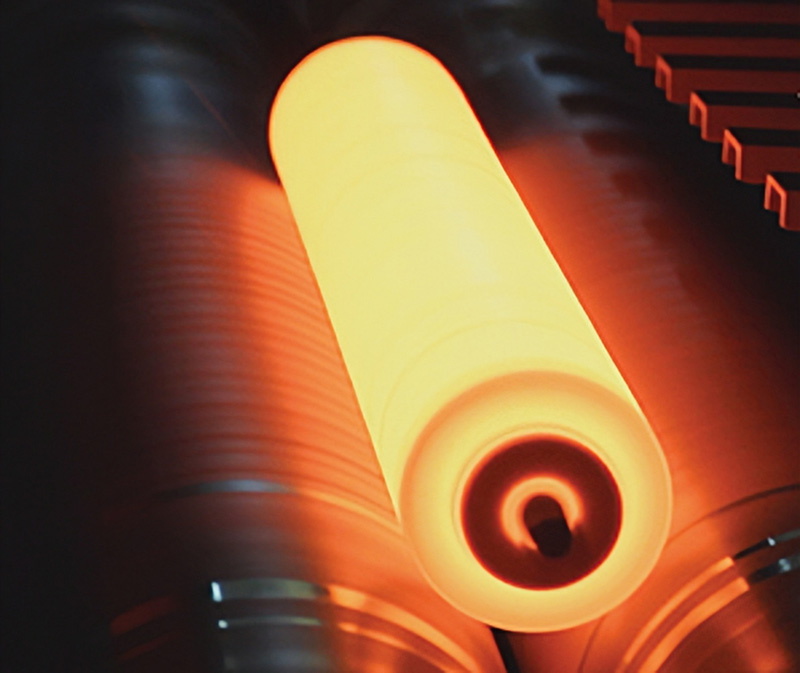
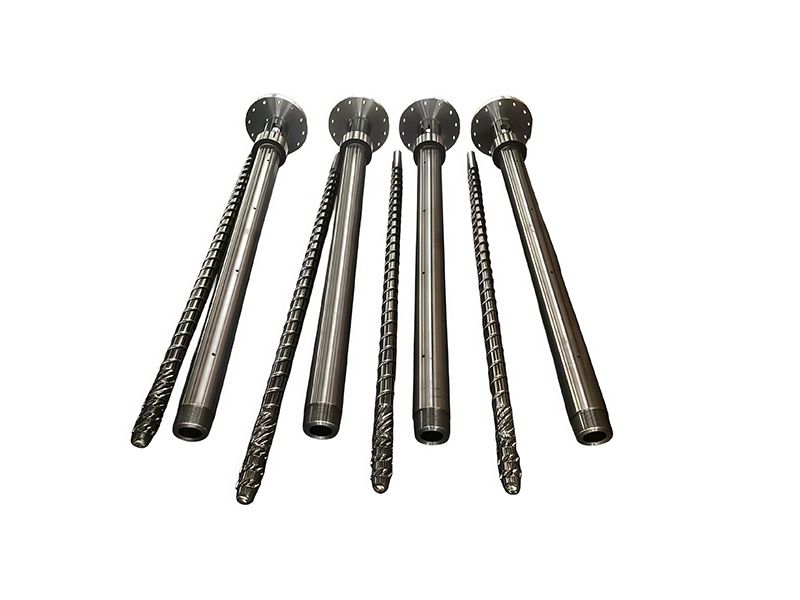
Figure 1. Centrifugal casting is one manufacturing method used to form an alloy-lined bimetallic barrel bore.Why Barrel Wear Develops
The barrel bore is exposed to sliding contact, pressure, and repeated material movement throughout production. Wear can become more severe when the material contains hard particles or when the processing condition creates high friction and pressure.
Common factors that can accelerate wear include:
- · High calcium carbonate or mineral filler content
- · Glass fiber or other reinforcing materials
- · Recycled plastic with contamination or inconsistent feedstock
- · Long continuous production cycles
- · High output or high screw‑speed operation
- · Corrosive additives or demanding polymer formulations
- · Excessive screw‑to‑barrel clearance caused by prior wear
As the bore wears, output may decline, melt pressure can become less stable, and more screw speed may be needed to maintain the same production target.
Bimetallic Barrel vs. Nitrided Barrel
Both nitrided and bimetallic barrels are widely used. The suitable option depends on the actual application rather than a simple rule that one solution is always better.
Consideration Nitrided Barrel Bimetallic Barrel Working surface Nitrided surface treatment on the barrel material. Wear‑resistant alloy layer on the barrel inner bore. Typical fit Moderate wear conditions and conventional formulations. Demanding conditions where longer wear resistance is needed. Selection focus Standard operating conditions, material, and machine match. Filler level, abrasive wear, production hours, and targeted service interval. Important note Suitable when wear and corrosion demands are moderate. Requires correct alloy selection and matching with the screw and process. For many standard applications, a nitrided barrel may remain a practical choice. A bimetallic barrel becomes more relevant when wear has become a recurring cost or when the formulation is likely to shorten the life of a conventional bore.
When Should You Consider a Bimetallic Screw Barrel?
A bimetallic solution should be considered when there is a clear wear‑related production or maintenance issue. Typical reasons include:
- · Frequent screw barrel replacement or refurbishment
- · Gradual output loss over the production cycle
- · Increasing clearance between the screw flight and barrel bore
- · High abrasive filler content
- · Use of recycled or difficult‑to‑process materials
- · Higher requirements for continuous production stability
- · A need to improve the service interval of replacement components
The decision should be based on total operating cost, not only the initial purchase price. If a longer service interval reduces downtime and maintains stable output, the higher‑performance solution may be more economical over time.
Key Factors When Selecting a Bimetallic Screw Barrel
1. Material Formulation
The polymer type is only one part of the evaluation. Additives, fillers, reinforcements, pigments, recycled content, and stabilizers can all affect wear and corrosion conditions. A useful technical inquiry includes the actual material description and approximate filler percentage.
2. Machine and Screw Configuration
The new barrel must match the extruder or injection machine. Confirm the barrel dimensions, screw diameter, L/D ratio, feed opening, heating and cooling layout, connection details, and original drawing whenever available.
3. Alloy System and Manufacturing Method
The alloy layer should be selected according to the type of wear and corrosion exposure. Do not choose only by hardness. The alloy, bonding method, inner bore finish, and expected service condition should be evaluated together.
4. Matching Screw Condition
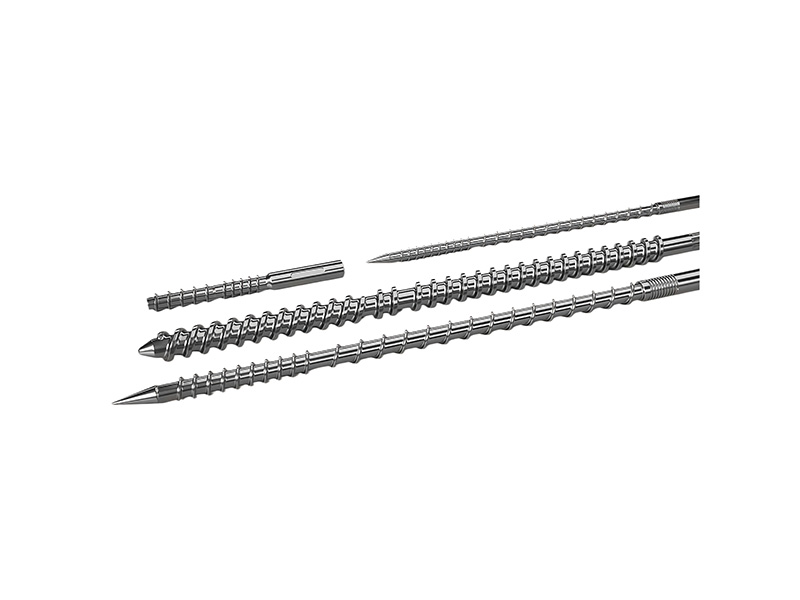
Installing a new barrel with a severely worn screw may not restore the expected performance. The screw flight diameter, surface condition, and clearance should be inspected at the same time. Depending on the application, a wear‑resistant alloy screw or a rebuilt screw may also be considered.
Common Buying Mistakes to Avoid
- · Ordering only by screw diameter without confirming the full barrel drawing
- · Selecting the hardest available option without reviewing the process condition
- · Replacing the barrel without checking screw wear
- · Ignoring filler content or recycled‑material conditions
- · Comparing components only by price instead of expected service life and downtime risk
What Information Should You Send for a Technical Evaluation?
- · Machine manufacturer and model
- · Barrel drawing or detailed measurements
- · Screw diameter, barrel length, and L/D ratio
- · Material formulation and filler percentage
- · Current output and screw‑speed range
- · Existing barrel material or surface treatment
- · Photos and measurements of worn screw or barrel components
- · The production problem you want to solve
If a complete drawing is unavailable, photos, an old sample, machine nameplate details, and key measurements can support a preliminary evaluation.
PIPLL Bimetallic Screw Barrel Solutions
PIPLL supplies customized screw and barrel components for extrusion applications. For high‑wear projects, the barrel configuration can be evaluated according to material condition, filler content, machine structure, required output, and service‑life expectations.
The objective is not simply to use a more expensive component. It is to select a suitable screw barrel solution that supports stable production and a practical maintenance interval.
Conclusion
A bimetallic screw barrel can be a valuable upgrade when conventional barrels wear too quickly under abrasive or demanding processing conditions. The correct choice depends on the material formulation, machine design, screw condition, and actual production requirement.
Before ordering, confirm the drawing, dimensions, material information, and the specific wear or performance problem. This makes it easier to match the alloy system and barrel construction to the application.