XPS Foam Board Extrusion Screw Barrel Functions and Cooling
XPS foam board extrusion requires the polymer and blowing agent to reach the die in a suitable and stable condition. In a tandem arrangement, the primary stage prepares and mixes the melt while the secondary stage provides controlled cooling. This division explains why a cooling screw barrel cannot be evaluated using the same priorities as a plasticizing screw. Actual line layouts differ, so identify the installed arrangement first. For component information, see PIPLL custom screw barrel design , manufacturing process , pipe extrusion components .
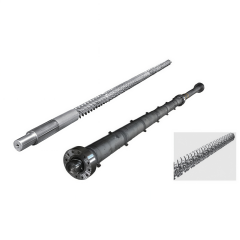
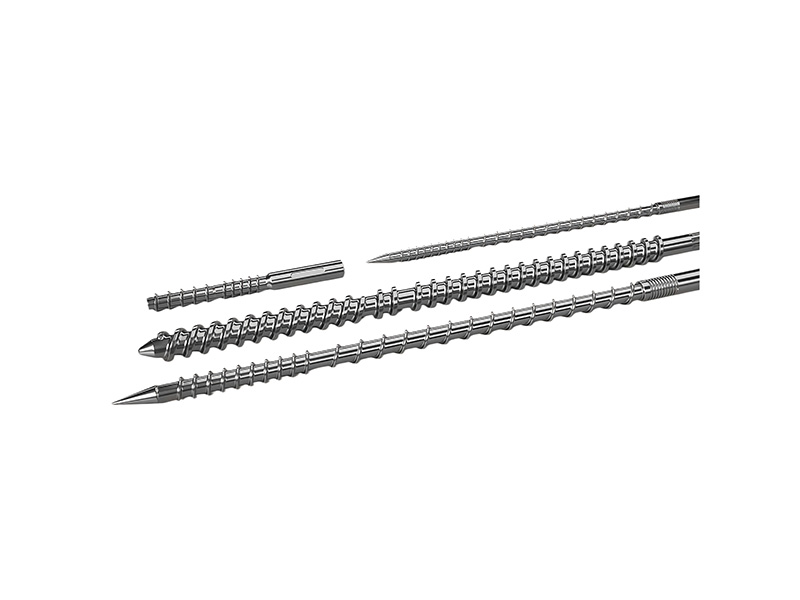
Single screw and barrel product reference. Application suitability requires a separate design review.
Separate melting and mixing from cooling
An XPS foam board extrusion line screw barrel inquiry should describe each stage separately. Include its role, screw arrangement, working length and thermal control system. A proposal based only on screw diameter and output misses the differences between generating a melt and conditioning that melt before expansion.
Treat blowing agent changes as process changes
The XPS extruder screw design foaming agent relationship involves incorporation, mixing and the conditions required before the die. A CO2 foaming agent XPS extrusion screw must be reviewed as part of the complete dosing and pressure system. A component supplier should not infer compatibility from the name of the blowing agent alone.
Provide the intended formulation and the approved operating envelope from the line supplier. A change in blowing agent can require review of dosing, mixing, cooling and downstream operation together. Use the equipment safety procedures and qualified commissioning support for such changes. Do not try to obtain a new foaming regime merely by increasing a barrel temperature or replacing one mixing section.
Evaluate cooling as a working duty
The secondary extruder must remove heat while delivering a sufficiently uniform melt to the die. Cooling performance depends on the available exchange surfaces, the coolant circuit, the operating rate and the condition of the assembly. A low coolant temperature by itself does not establish that the required cooling duty has been achieved.
For a cooling barrel review, record coolant inlet and outlet conditions and the available flow measurements, together with throughput and melt temperature where properly measured. Check the circuit for restrictions and control instability. Compare like operating conditions. An apparent loss of cooling after an output increase may reflect a changed duty rather than sudden component damage.
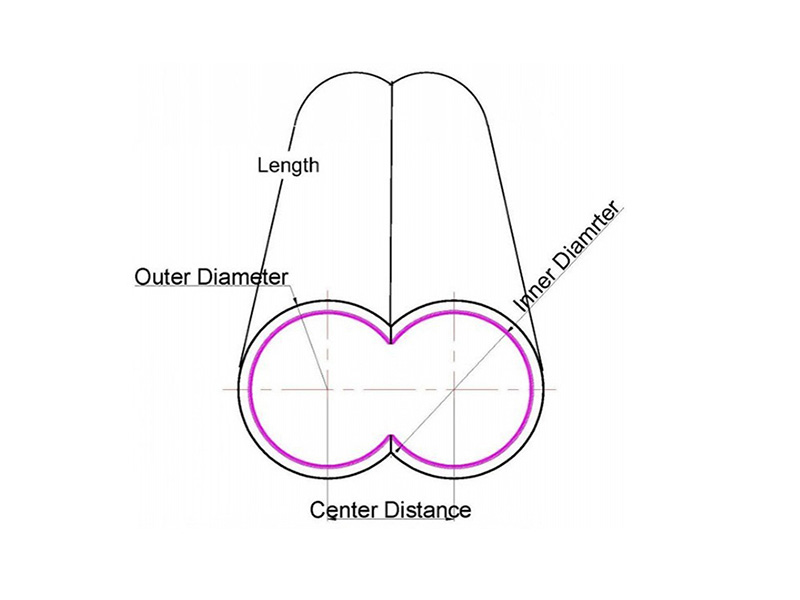
Process relationship schematic
Read board defects with the whole line in view
Changes in board density, cell structure or surface quality should be investigated alongside feed, blowing agent delivery, melt condition and die behavior. Record the timing and location of the defect. A downstream product change can have several causes, and the board appearance alone cannot identify which screw section needs replacement.
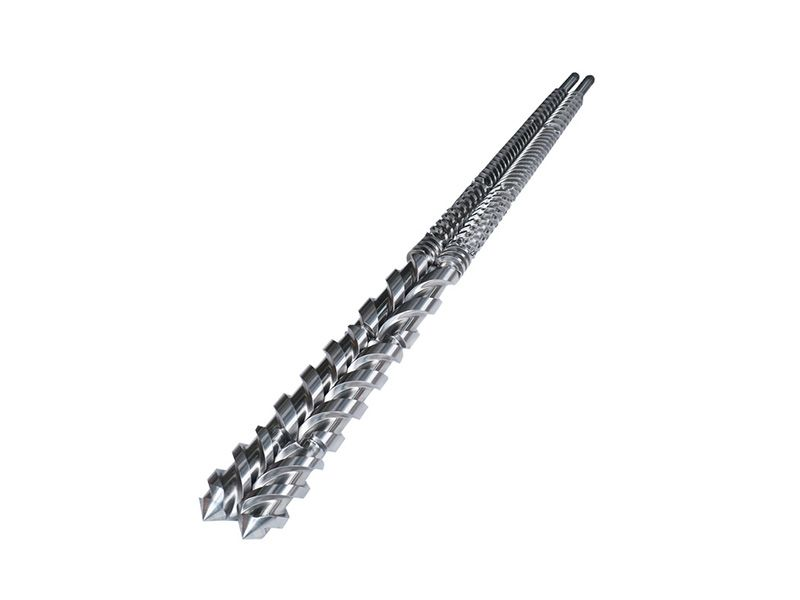
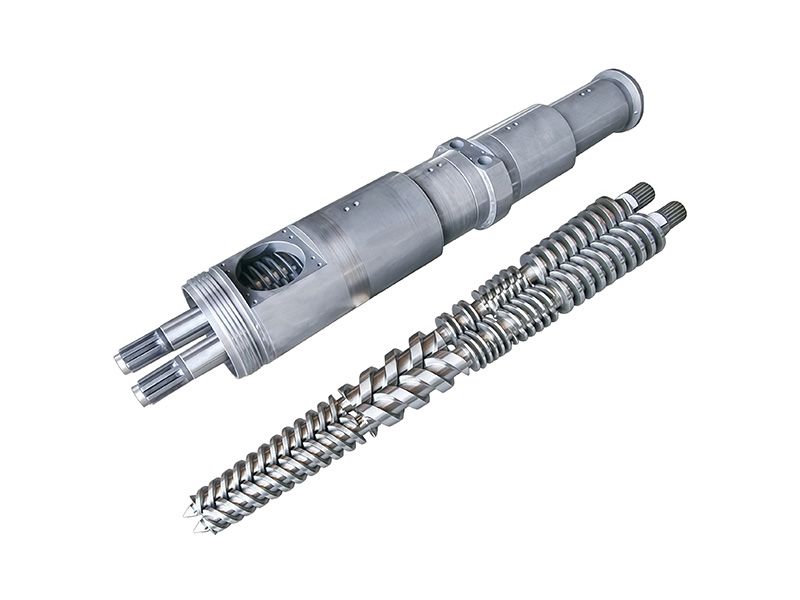
For a twin screw XPS foam board production line, document what the twin screw stage actually does and what equipment follows it. Preserve configuration and operating records before a modification. Compare a controlled trial using the same formulation and the agreed product tests. Avoid changing blowing agent rate, screw configuration and cooling conditions simultaneously if the aim is to identify the cause.
Distinguish wear from a thermal control problem
XPS foam board extruder barrel wear is a dimensional question that needs inspection evidence. Cooling instability is an operating observation that needs a thermal and control review. The two may interact, but they should not be treated as interchangeable diagnoses. Check operating records first and plan dimensional inspection using the equipment procedure when the evidence warrants it.
When requesting a PIPLL component review, identify the stage and the problem it must address. Provide the assembly drawing, existing construction and relevant operating trends. Define the product validation separately from component acceptance. The goal is steady melt preparation and conditioning that support consistent foam board, with the performance of each stage verified under the intended duty.
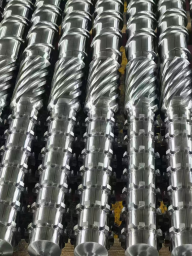
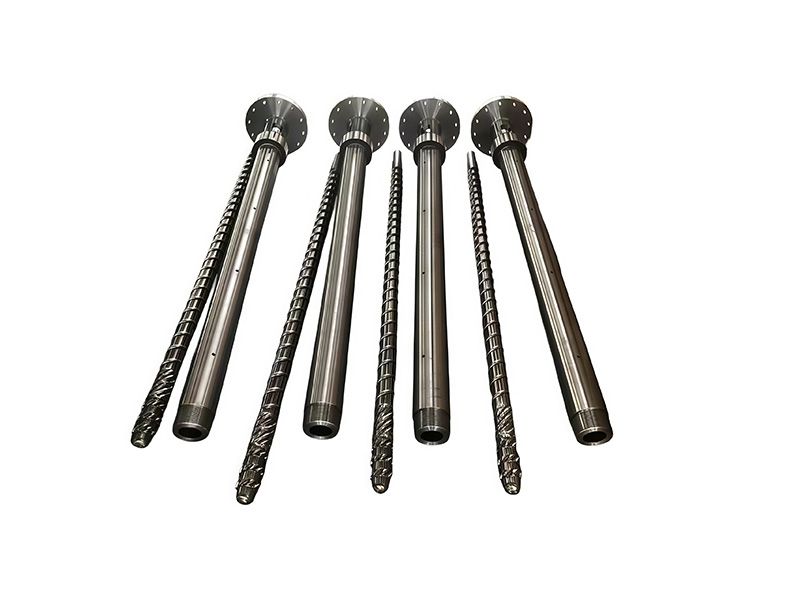
Machined screw mixing sections shown as a manufacturing detail reference.
Related PIPLL resources
• wear checks
• maintenance resources
• bimetallic screw barrels
• compounding components
Technical and Sales Contact
Young | PIPLL | Screw and Barrel Solutions for Plastic Extrusion
Supporting extrusion manufacturers with customized screw and barrel solutions for PVC, PE, PP, PET, and other polymer processing applications.
Email: Young@pipll.com | WhatsApp: +86 150 5840 4692
Website: www.pipll.com


+86 15267878906

1306 W building , NB-IoT Industrial Park, No. 199 Changxing Road, Jiangbei, Ningbo.
 Languages