PVDF Extrusion Screw Barrel Selection for Stable Melt Processing
PVDF extrusion screw barrel selection starts with the exact resin grade and the intended product. Pipe, film, sheet and wire coating do not share one universal screw profile or operating window. The practical objective is a stable melt supply with controlled thermal history and a clean flow path, verified against the product quality requirements. Explore PIPLL custom screw barrel design , manufacturing process , bimetallic screw barrels .
Define the PVDF grade and the product
Record whether the resin is a homopolymer, copolymer or formulated compound, and provide the current technical data sheet and safety information. Include additives, regrind use, target output and the downstream equipment. A description such as PVDF coating extrusion line screw barrel is only a starting point; the supplier also needs the actual coating process and the resin delivery method.
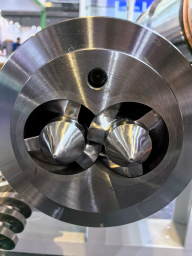
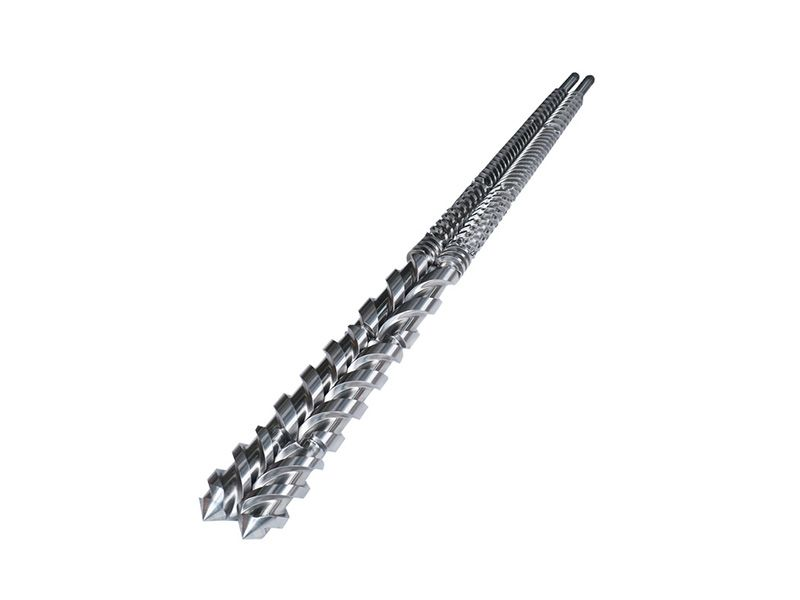
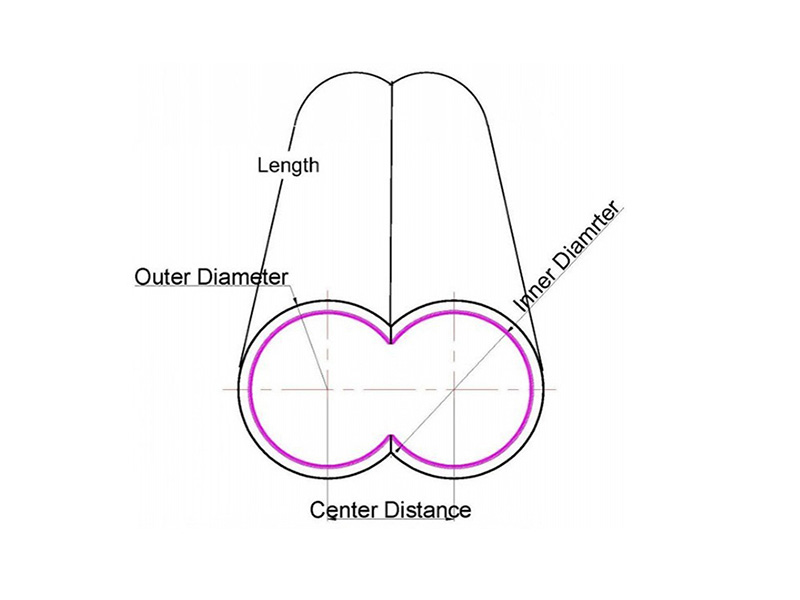
Barrel construction reference from the PIPLL material library
Review materials without assuming a universal alloy
PVDF chemical resistance in the finished product does not by itself specify the construction material for the extrusion machine. Review the polymer contact surfaces against the resin supplier guidance and the actual operating conditions. Standard processing equipment can be suitable for some PVDF grades, so an expensive alloy should not be selected solely because the polymer contains fluorine.
For a PVDF extrusion screw barrel material proposal, identify the base material, any coating or treatment and the condition of adjacent adapters and tooling. Review evidence of pitting, damaged plating or contamination on an existing line. Distinguish normal processing from overheating or decomposition conditions and follow the resin safety guidance when investigating an abnormal event.
Control the melt path and thermal history
PVDF melt temperature screw design should be discussed using the chosen grade and measured process data. Barrel setpoints do not necessarily equal melt temperature. Compare throughput, screw speed, pressure stability and the measured melt condition before proposing geometry changes. Avoid transferring one temperature profile to a different grade without checking the supplier recommendations.
Review abrupt transitions, damaged surfaces and locations where material can remain for an extended period. Deposits and degraded material may appear as specks in the product, but contamination can also enter through feed handling or a previous production run. Inspect the complete material path and document when the defect begins rather than assuming the screw is the only source.
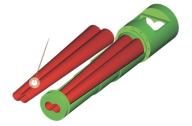
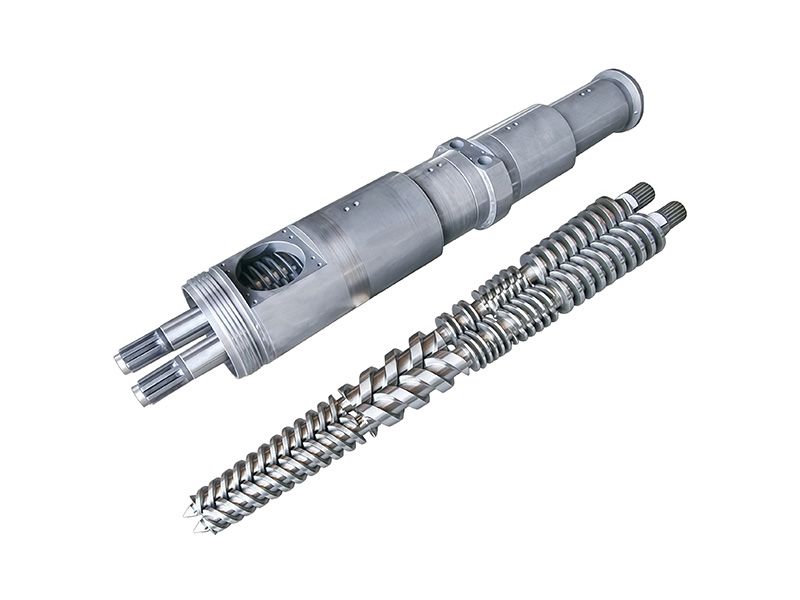
Barrel construction reference from the PIPLL material library
Treat cleaning and preparation as process variables
Use the resin supplier instructions for preparation, shutdown and purging. Do not apply a universal drying requirement to all PVDF grades or assume that a purge suitable for one formulation is suitable for another. Review whether the line was cleaned adequately after the previous polymer. Residual purge material can itself become a contaminant in a subsequent run.
Record the cleaning sequence and retain samples from startup and stable operation. If surface quality changes after a preparation adjustment, compare equivalent runs before attributing the improvement to the new screw. For a PVDF battery binder extrusion equipment inquiry, first clarify whether the process actually involves melt extrusion, compounding or another operation; these require different equipment discussions.
Specify acceptance around the intended application
Provide drawings of the screw, bore, drive connection and downstream interfaces for replacement parts. Include the current wear measurements and the formulation envelope. Agree which material and dimensional records accompany delivery. A component inspection confirms the supplied hardware; it does not independently prove that the line will meet every finished product requirement.
Validate the installed assembly using the agreed resin and product tests. Record accepted output, melt condition, pressure behavior and visible defects under defined operating conditions. Keep the first stable run as a baseline for future maintenance. Share this information with PIPLL so the screw barrel review addresses the observed process and the machine interfaces rather than relying on a generic PVDF specification.
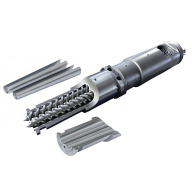
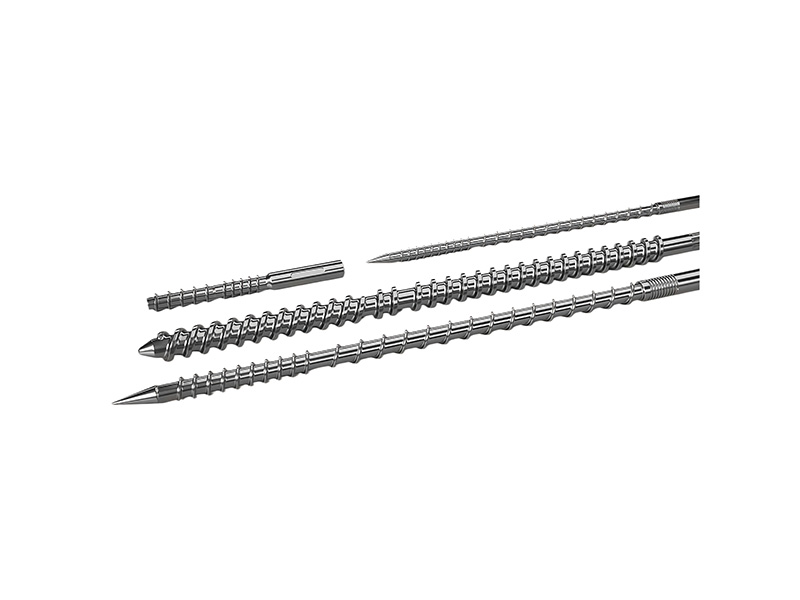
Barrel construction reference from the PIPLL material library
Related PIPLL resources
• screw wear measurement
• maintenance guidance
• pipe extrusion components
• compounding components
Technical and Sales Contact
Young | PIPLL | Screw and Barrel Solutions for Plastic Extrusion
Supporting extrusion manufacturers with customized screw and barrel solutions for PVC, PE, PP, PET, and other polymer processing applications.
Email: Young@pipll.com | WhatsApp: +86 150 5840 4692
Website: www.pipll.com


+86 15267878906

1306 W building , NB-IoT Industrial Park, No. 199 Changxing Road, Jiangbei, Ningbo.
 Languages