Masterbatch Twin Screw Barrel Selection for Dispersion and Stable Production
For a component review, explore PIPLL custom screw barrel design , manufacturing and inspection process , bimetallic screw barrels .
Start with the formulation and the quality target
Masterbatch twin screw barrel selection begins with the carrier resin, pigment or additive and the quality required in the final application. A color concentrate, a highly filled mineral concentrate and an additive masterbatch can place different demands on feeding, mixing and wear protection. Define the formulation and acceptable dispersion before selecting a screw configuration or requesting a quotation.
Record the carrier grade, pigment type, loading range, bulk density and any sensitivity to moisture or temperature. Describe the feeding sequence and whether liquids or powders enter downstream. Include the intended output and the test used to release the product. A request for better dispersion is more useful when it specifies the observed defect, the sampling method and the acceptance criterion.
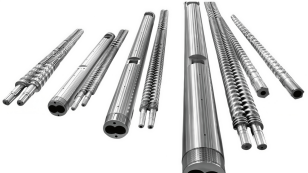
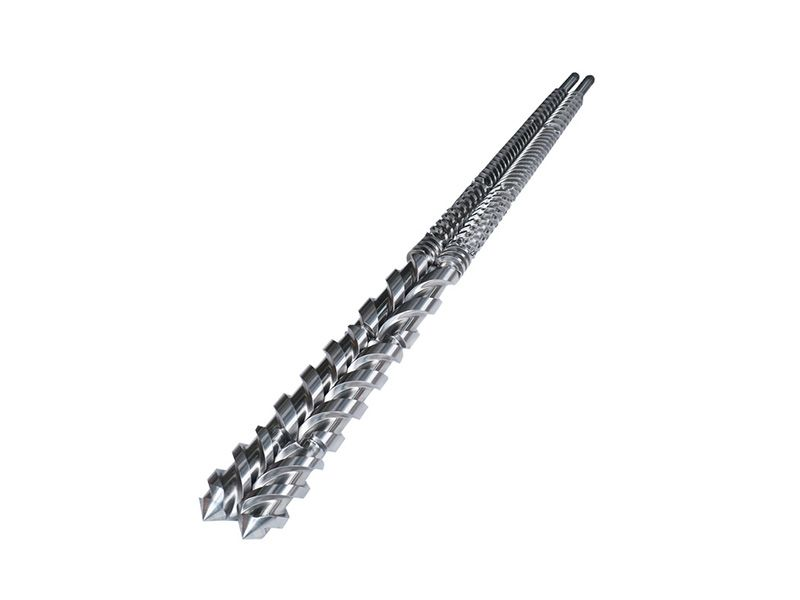
PIPLL twin screw barrel component reference
Match the mixing task to the process section
Distributive mixing spreads ingredients through the melt, while dispersive mixing applies stress to break down agglomerates. Both can matter in masterbatch production, but increasing mixing intensity does not automatically improve the finished concentrate. Excessive thermal or mechanical exposure can create a new quality problem. The screw design needs to balance melting, incorporation, mixing and delivery to the die.
For a co rotating twin screw extruder, conveying elements, kneading blocks and other mixing elements perform different roles. Their arrangement must match the formulation and the available machine. Kneading block angle alone is not a complete selection rule: disk width, element length, local fill and neighboring elements also affect the result. Preserve the current assembly drawing before changing the configuration so that a trial can be traced and reversed.
Check feeding before blaming the screw
Pigment feed variation can look like a mixing problem because the final color fluctuates. Check feeder calibration, refill behavior, powder flow and the consistency of incoming materials before modifying the screw. Compare the timing of feeder events with quality and load changes. A stable average feed rate can still hide short disturbances that matter to the product.
Downstream addition also requires attention to the condition of the carrier at the entry point and the capacity to take in the added material. Review the actual port arrangement, vent positions and available process length. A screw profile copied from another line may not give the same result when the feed locations, diameter or formulation differ. Treat a proposed profile as an application specific design that needs validation.
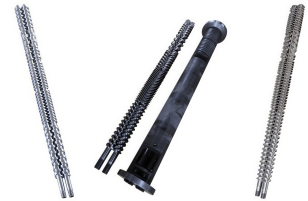
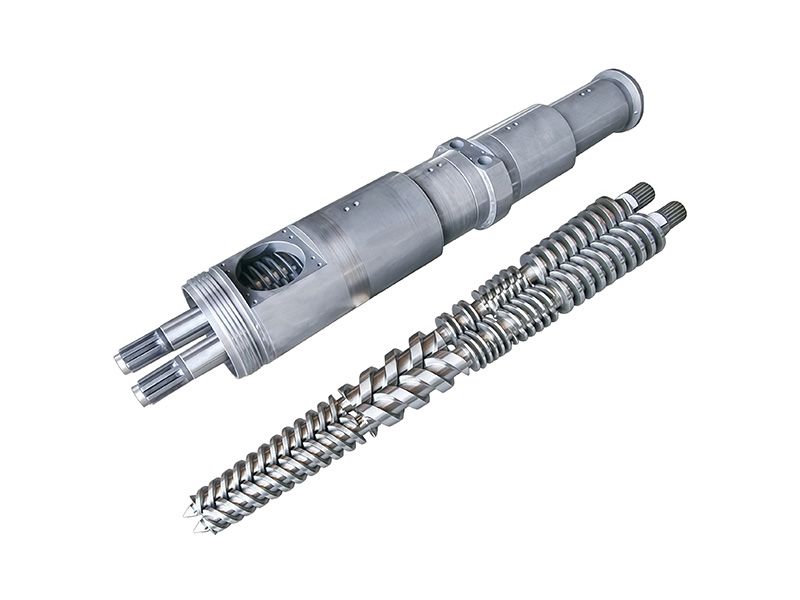
PIPLL twin screw barrel component reference
Choose wear protection for the actual ingredients
A masterbatch screw barrel for abrasive fillers needs a material review based on filler type, loading and operating duty. Corrosive ingredients or decomposition products may require a different balance of properties. Describe both wear and corrosion exposure to the supplier rather than requesting the hardest available option. Agree on the screw and barrel materials as a working pair.
For an existing machine, provide measured wear and its location alongside the production history. Confirm bore geometry, shaft interfaces, segment dimensions and the approved clearances. Specify which inspection records are required with the replacement. A material certificate identifies the supplied material, but it does not replace dimensional inspection or demonstrate the dispersion performance of the installed line.
Validate performance with comparable trials
Compare configurations using the same formulation, raw material condition and agreed test method. Record screw speed, throughput, melt temperature where measured, load, pressure behavior and accepted product quality. Retain samples with their run identification. Change a defined variable at a time where practical so that the source of an improvement remains visible.
Evaluate saleable output together with dispersion and product consistency. A higher gross rate is not useful if it increases rejects or makes the concentrate unsuitable for its downstream use. Include changeover cleaning and inspection access in the purchasing discussion because these affect repeated production. Share the formulation envelope, machine drawing and trial evidence with PIPLL to support a focused screw barrel review.
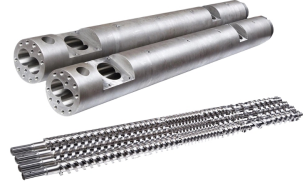
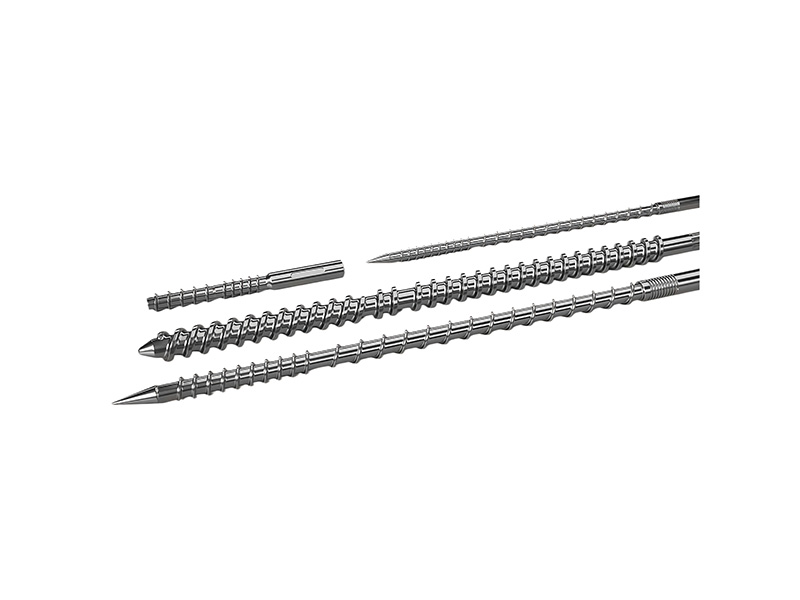
PIPLL twin screw barrel component reference
Related PIPLL resources: screw wear checks ; maintenance and troubleshooting ; pipe extrusion screw barrels ; compounding twin screw barrels .
Technical and Sales Contact
Young | PIPLL | Screw and Barrel Solutions for Plastic Extrusion
Supporting extrusion manufacturers with customized screw and barrel solutions for PVC, PE, PP, PET, and other polymer processing applications.
Email: Young@pipll.com | WhatsApp: +86 150 5840 4692
Website: www.pipll.com


+86 15267878906

1306 W building , NB-IoT Industrial Park, No. 199 Changxing Road, Jiangbei, Ningbo.
 Languages