How to calculate electrical SEC and compare production runs fairly
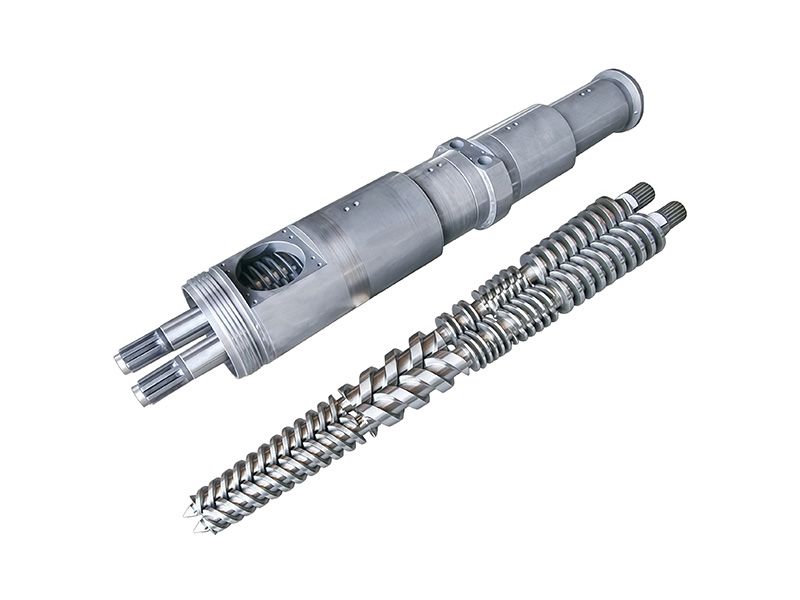
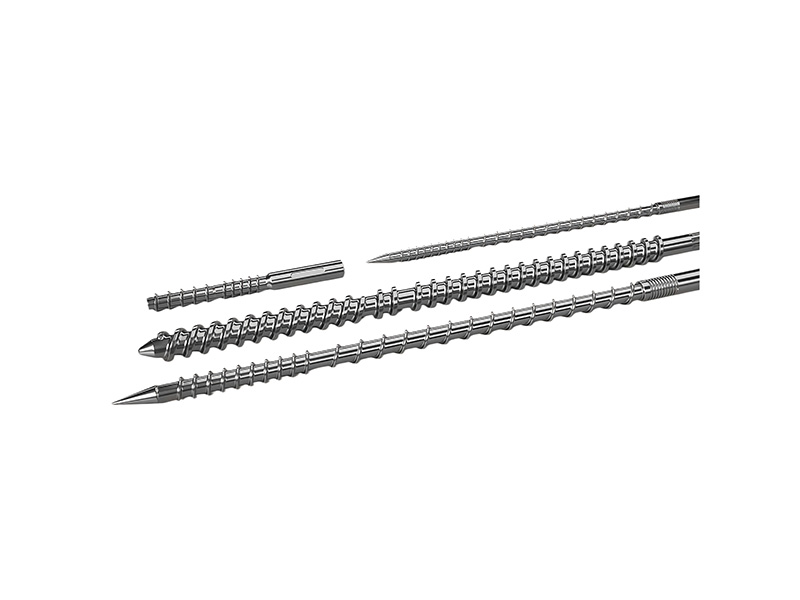
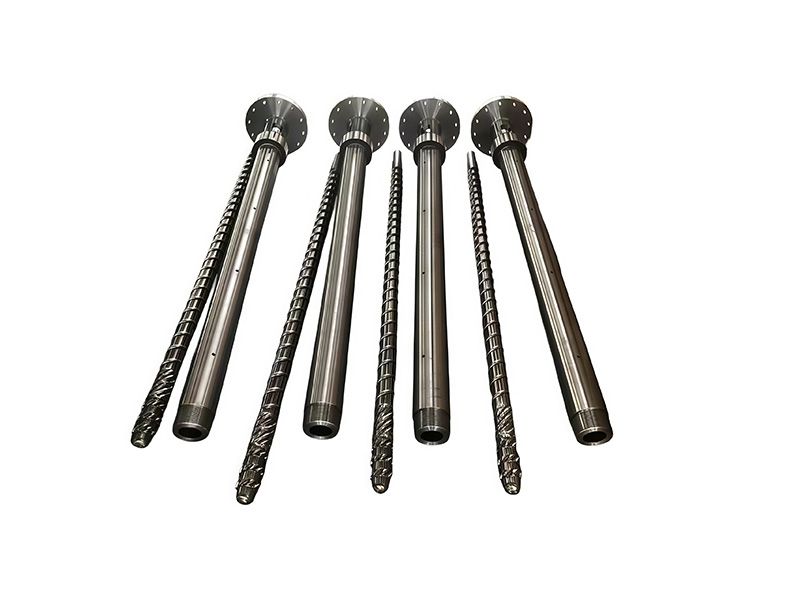
Extruder specific energy consumption measures the electricity used per unit of output within a defined measurement boundary. To investigate a change, combine the extruder screw wear diagnosis record with the application requirements of a pipe and tube extrusion screw barrel or another installed assembly. A custom screw and barrel review becomes more useful when it includes metered electricity, production mass, formulation, and product quality from the same operating period.
For a plant team, kWh per kg extrusion data can expose changes that total electricity alone hides. The first task is to define what the meter includes and what the kilogram figure represents. This article explains the calculation, distinguishes electrical SEC from mechanical energy input, and shows how to compare runs before proposing a screw barrel change.
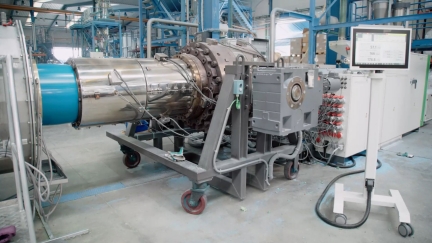
Figure 1. An extrusion line includes the drive, barrel heating, and other equipment. Define which loads are included before comparing its electrical consumption.
Define the Meter Boundary and the Output Basis
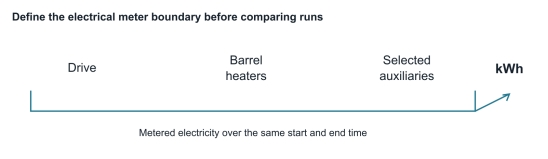
An electrical SEC value may cover the extruder drive alone, the complete extruder, or a wider line that includes feeding, drying, cooling, vacuum, and pelletizing. These boundaries can produce different values on the same process. Identify the loads supplied by each meter and keep the boundary unchanged when comparing trials. For shared utilities, state the allocation method or report them separately.
Choose the output basis explicitly. Total extruded mass helps describe conversion throughput; accepted product mass also reflects the effect of scrap and unstable production. Record both where possible and label the SEC value accordingly. Include start and end times, startup and shutdown treatment, grade changes, and any inventory delay between the extruder and the weighing point.
Figure 2. Example electrical measurement boundary. Selected auxiliaries must be named in the run record; the diagram does not prescribe one boundary for every plant.
Calculate SEC from Matched Energy and Mass Records
To calculate SEC for an extruder, divide the measured electricity in kilowatt hours by the chosen output mass in kilograms over the same period. Use the difference between cumulative meter readings for electricity and a reconciled production total for mass. The result is expressed in kWh/kg. A zero output interval has no defined per kilogram value and should be reported as an idle or stoppage period rather than a zero SEC.
For a stable run, average measured electrical power in kW divided by the corresponding average mass rate in kg/h gives the same type of ratio. Keep both averages on the same time interval. The motor nameplate rating, a momentary current reading, or a target throughput is not a substitute for actual energy and production records.
Illustrative four hour run | Run A | Run B
Metered electricity with the same boundary | 600 kWh | 600 kWh
Accepted product mass | 800 kg | 1,000 kg
Average measured electrical power | 150 kW | 150 kW
Accepted output rate | 200 kg/h | 250 kg/h
Electrical SEC per accepted kilogram | 0.75 kWh/kg | 0.60 kWh/kg
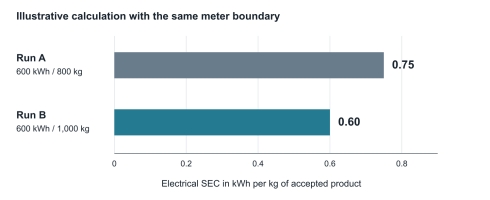
In this calculation example, Run B has 20 percent lower electricity use per accepted kilogram, while the total metered electricity is unchanged. The example demonstrates the denominator effect; it is not a PIPLL machine test or a promised saving. A real comparison also needs the same formulation, quality requirements, operating scope, and a documented reason for the output difference.
Figure 3. Illustrative SEC values from the table. Both runs use 600 kWh; the accepted mass differs. These are calculation examples, not measured product performance.
Keep Electrical SEC Separate from Mechanical Energy
Specific mechanical energy, or SME, describes mechanical energy introduced through the screws per unit mass. Its calculation depends on the machine measurement method, such as torque and speed, and the applicable correction for drive or unloaded losses. Electrical SEC can include motor losses, barrel heating, and auxiliaries, depending on the boundary. These metrics answer different questions and should retain their own labels.
When comparing extrusion SME with electrical consumption, first establish what each measurement includes. Do not relabel total line kWh/kg as SME. If reliable mechanical power data are unavailable, report measured electrical SEC and the operating settings without presenting a calculated mechanical value as a measurement.
Investigate Changes Before Specifying New Parts
Review formulation, moisture, filler content, feed consistency, screen or die restriction, melt temperature, throughput, operating speed, heater and cooling duty, and scrap. Separate stable production from warmup and stoppages. Where wear is suspected, compare the operating trends with a known healthy baseline and schedule dimensional inspection. A rising SEC trend alone does not identify the screw barrel as the cause.
To reduce extruder energy consumption, evaluate changes against both energy intensity and product acceptance. Feeding, process settings, insulation, drive condition, auxiliaries, and screw configuration may all deserve review. Retain only improvements that meet the required quality and equipment limits. Avoid a universal SEC benchmark for twin screw extruders or an unsupported conical versus parallel comparison: material, architecture, output, and metering scope must be comparable.
Conclusion
Extruder specific energy consumption becomes useful when energy and mass cover the same period and the measurement boundary is clear. Label the output basis, distinguish electrical SEC from SME, and compare equivalent processing duties. These records give an energy review or screw barrel inquiry a measurable starting point without assuming that a component replacement will deliver a fixed saving.
Related PIPLL Pages
• Plastic Compounding Twin Screw Barrel
- Related product category.
• Screw Barrel Maintenance Guide
- Technical article.
• Bimetallic Screw Barrel
- Product page.
• PIPLL Manufacturing Process
- Production and inspection overview.
Technical and Sales Contact
Young | PIPLL | Screw and Barrel Solutions for Plastic Extrusion
Supporting extrusion manufacturers with customized screw and barrel solutions for PVC, PE, PP, PET, and other polymer processing applications.
Email: Young@pipll.com | WhatsApp: +86 150 5840 4692
Website: www.pipll.com


+86 15267878906

1306 W building , NB-IoT Industrial Park, No. 199 Changxing Road, Jiangbei, Ningbo.

 Languages