 Languages
PPR Pipe Extrusion Screw Barrel Selection for Stable Pipe Surface
PPR Pipe Extrusion Screw Barrel Selection for Stable Pipe Surface
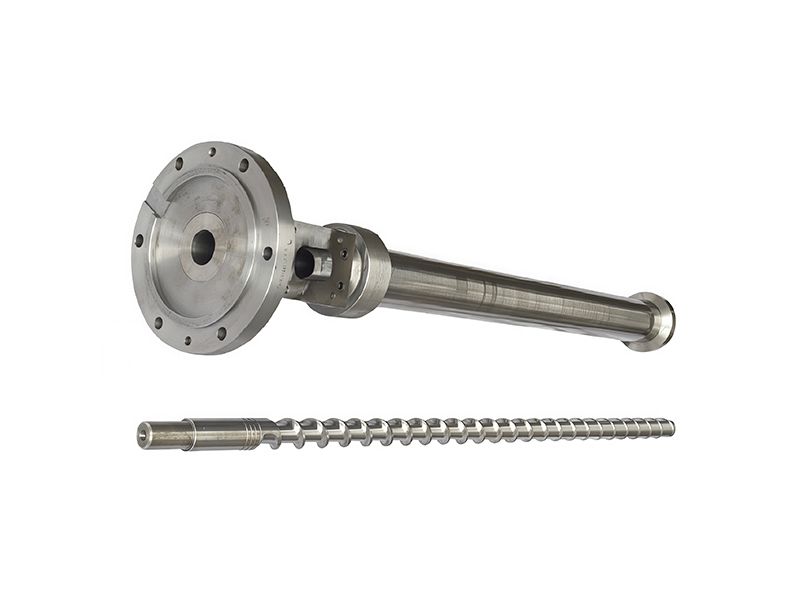
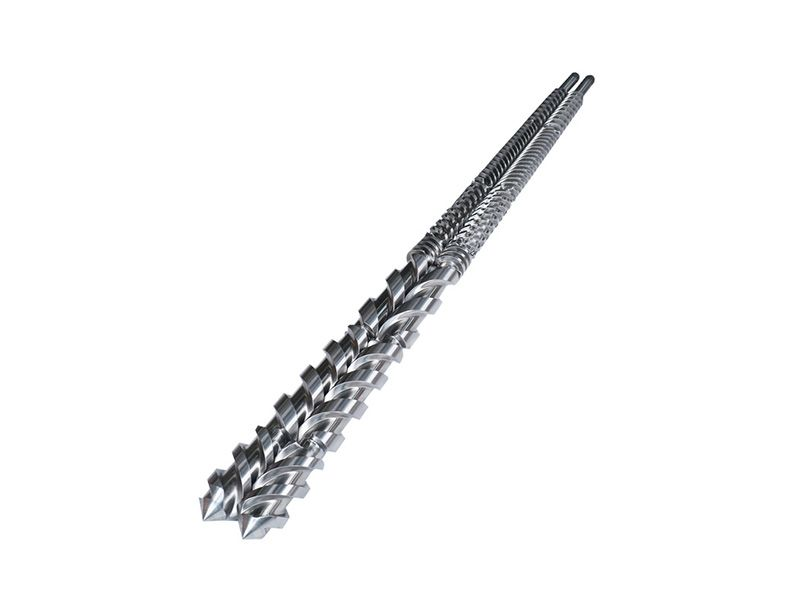
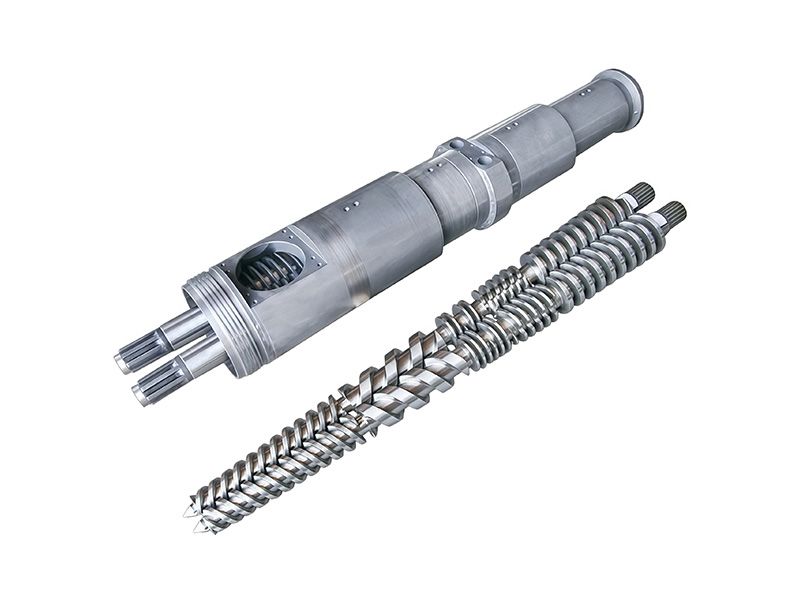
A PPR pipe extrusion screw barrel can look similar to a standard PP set, yet small differences in resin grade, pipe size, output target and temperature control can affect melt stability and pipe surface. For a replacement project, PIPLL PPR extrusion starts with the real line conditions rather than copying an old geometry without review.
PPR pipe production normally depends on steady conveying, controlled melting and a stable melt stream into the pipe die. The screw and barrel are only part of the system, but they strongly influence whether the line can hold output and surface quality within a usable process window.
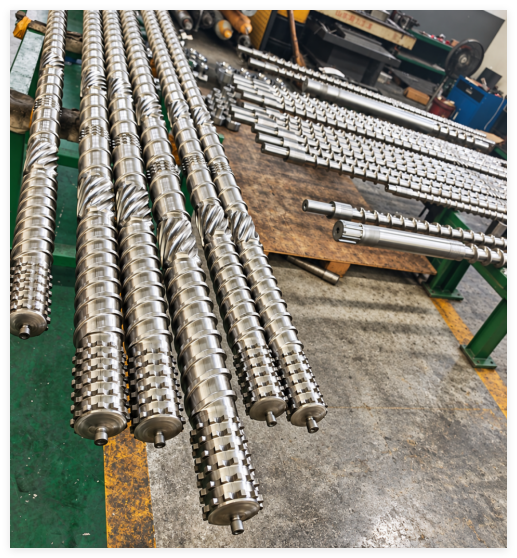
Confirm the Pipe Product and Output Target
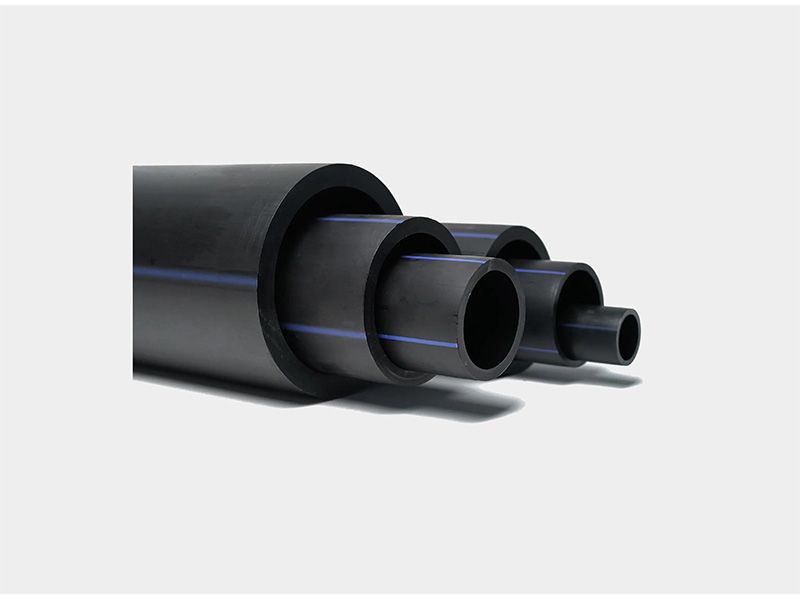
Start with the pipe, not only the extruder model. Diameter, wall thickness, SDR class, colour and intended output all affect the pressure and melt-quality requirement. A PPR pipe extrusion screw barrel for a small-diameter line may need a different operating balance from one serving larger pipe sizes or a higher output target.
PIPLL uses the product and output target as the first reference for a replacement review, then checks whether the available machine and component data support that operating point.
- > Pipe outside diameter, wall thickness and SDR range
- > Single-layer or co-extruded structure and stripe requirement
- > Normal output, screw speed and planned production hours
- > Current surface issue, dimensional variation or melt-pressure trend
Identify the Actual PPR Resin and Additives
PPR is a polypropylene random copolymer, but grade selection and additive packages still vary by supplier and application. Colour masterbatch, regrind policy, stabilisers and any mineral content can change melt behaviour. PIPLL considers the actual resin information when reviewing a PPR pipe extrusion screw barrel because a generic material label does not fully describe the process.
Use the resin supplier's processing guidance as the starting point. If the line has changed resin supplier or colour system since the last screw was ordered, do not assume that the former design remains the best match.
When the pipe is intended for a specified service class, a change in material behaviour should be discussed with the resin supplier and the production team before the screw design is copied. The purpose of the replacement review is not to make material-performance claims. It is to make sure the screw and barrel support a controlled, repeatable melt process for the resin that is actually running on the line.
Check the Feed and Melting Balance
A stable line needs more than high throughput. The feed section must accept pellets consistently, while the compression and transition areas must melt the polymer without creating excessive shear or an unstable solid bed. If the feed is erratic, the result can appear later as output variation, pressure movement or an inconsistent pipe surface.
For PPR pipe extrusion, PIPLL compares the current screw speed, output, motor load and barrel-zone behaviour before deciding whether the replacement should reproduce the old feed and compression relationship or correct a known limitation. single screw barrel design must be evaluated as part of this balance.
Treat Temperature as a Process Window
Controller setpoints are useful references, not proof of the actual melt condition. Heater-band condition, cooling response, sensor placement, shear and residence time all affect the melt reaching the die. A narrow operating window is usually a reason to review the full PPR pipe extrusion screw barrel and temperature-control situation together.
PIPLL recommends recording the actual production trend before making multiple setpoint changes, because the trend can reveal whether the issue is thermal, mechanical or related to the material condition.
Observation What to confirm Why it matters Surface becomes dull or uneven Actual melt temperature and recent resin or colour changes A process issue can be mistaken for a screw issue Pressure moves at constant speed Feed consistency, screen condition and melt-temperature trend The melt stream may not be stable before the die Output falls at a familiar setting Motor load, flight condition and barrel clearance history Wear or a changed material condition may reduce pumping efficiency
Barrel Cooling Must Be Repeatable
Barrel cooling is normally used to keep the process within a stable range, not to compensate for a basic screw-design or material-handling problem. Confirm whether fans, water circuits and temperature sensors respond consistently from zone to zone. A slow or overactive cooling response can make the operator chase the process with setpoint changes while the root cause remains unclear.
Before a PPR pipe extrusion screw barrel replacement, record a normal production run and a run showing the defect if possible. The comparison is useful because it shows whether the line loses stability at a specific output, temperature zone or operating time. That information is more valuable than a single final temperature setting.
Match Metering and Mixing to the Die Requirement
The die needs a uniform melt stream. Metering and mixing sections should support melt uniformity without making the polymer stay too long in the barrel. More mixing is not automatically better; the correct amount depends on the resin, colour system, output and downstream pipe tooling.
PIPLL can review the working length, existing flight profile and downstream configuration when a customer wants to understand whether the current screw is appropriate for the production target rather than simply ordering the same part again. For specific needs, custom screw and barrel service can be discussed.
Dimensional stability also begins upstream of the sizing equipment. If the melt temperature or pressure varies before the die, the downstream system has less ability to keep the pipe consistent. For this reason, a screw-and-barrel review should consider the complete production record, including the die, screen condition and take-off settings, while keeping the replacement scope focused on the extruder components.
Inspect Wear Before Copying the Old Set
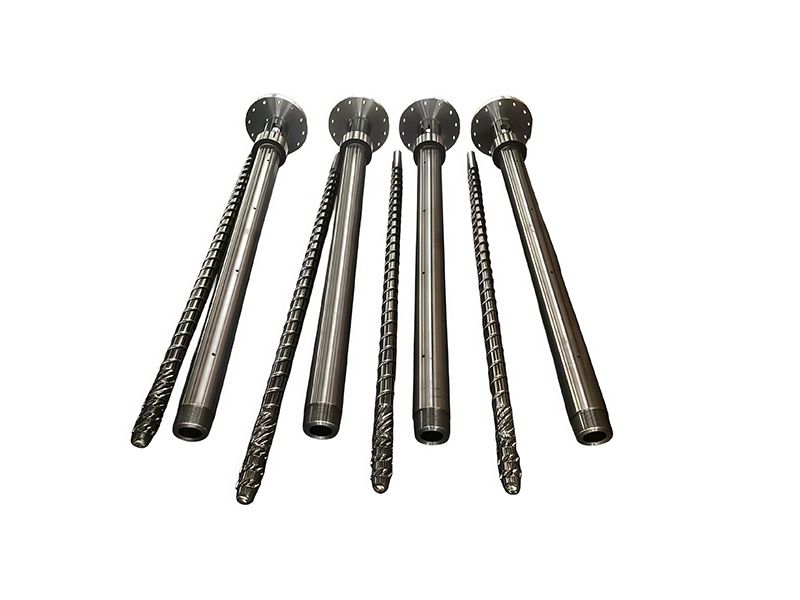
A worn screw and barrel can still run, but the clearance profile may no longer match the original design. Measure screw outside diameter and barrel inside diameter at repeatable positions. Compare the results with production history, especially if output, pressure stability or surface quality has changed gradually.
PIPLL can use the measurement record and photos to assess whether the existing geometry can be copied reliably or needs a more complete replacement review.
- > Record the measurement position from feed to metering section
- > Photograph flight edges, scoring, pitting and local deposits after cleaning
- > Note the last resin, colour and output setting used before inspection
- > Keep the old sample orientation and connection-end details visible before packing
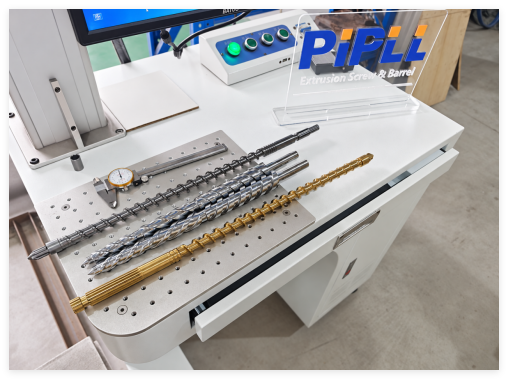
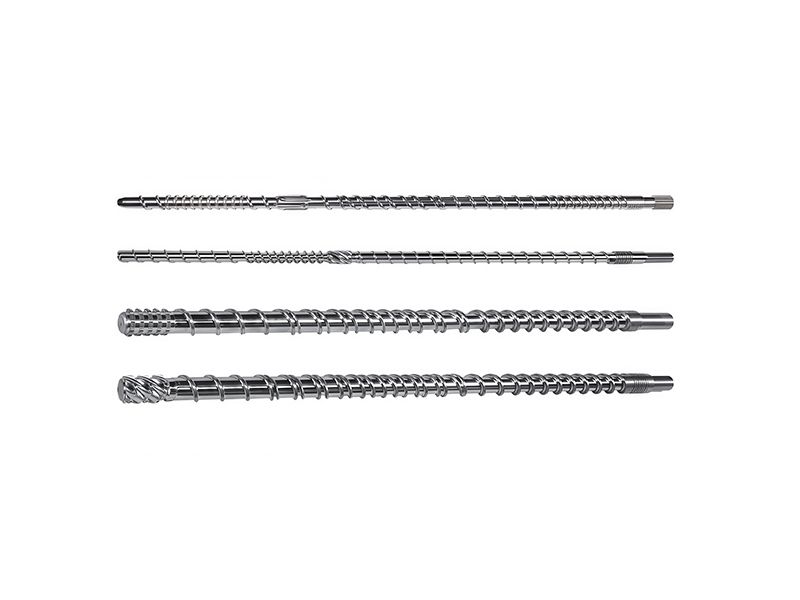
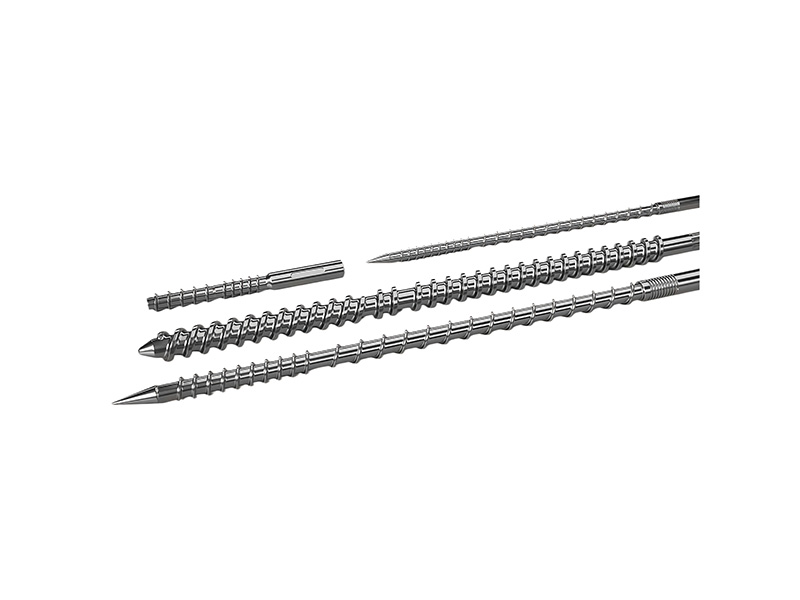
Figure 2. PIPPLL laboratory and inspection bench. The small screws shown are laboratory or inspection units, not a representation of a specific PPR production line.
Prepare a Complete Replacement Package
A complete PPR pipe extrusion screw barrel request reduces incorrect assumptions and speeds up technical confirmation. Send the machine nameplate, screw and barrel photos, pipe product, resin details, key dimensions and current operating data. PIPLL can identify missing information before preparing a replacement recommendation.
Clear photos should show the connection ends, feed opening, heater or cooling locations and any local modification. If a worn sample is available, label its orientation before shipping. These records help distinguish original features from changes caused by wear, repair or a previous rebuild.
Choose the Configuration From the Line Data
The best PPR pipe extrusion screw barrel is not selected from diameter alone. It should be matched to the resin, pipe range, output, die requirement, temperature window and actual component condition. This approach avoids replacing a mechanical part while leaving the real production limitation unresolved.
Send PIPPLL the machine model, pipe specification, resin information and available drawing or sample photos for a structured replacement review. Learn more about the PIPLL manufacturing process .
Technical and Sales Contact
Harry Jiang | PIPLL
Screw and Barrel Solutions for Plastic Extrusion
Email: Harry@pipll.com
WhatsApp: +86 182 6854 1152
www.pipll.comOr contact PIPLL for a structured replacement review.