
 Languages
Extruder Surging: Why Extrusion Output Goes Up and Down — And How to Fix It
Extruder Surging: Why Extrusion Output Goes Up and Down — And How to Fix It
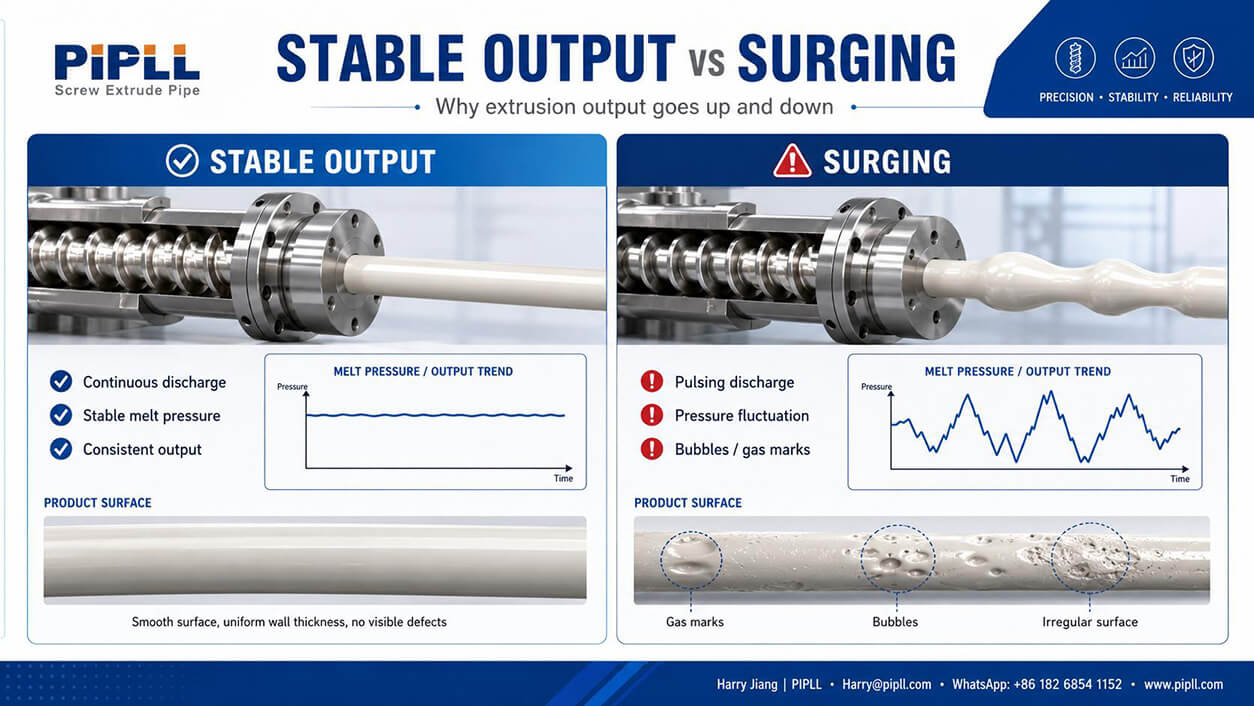
The screw speed is stable. The barrel temperatures look stable. Yet the extrudate coming from the die behaves as if someone is repeatedly opening and closing a valve. One moment the material rushes out. Then the flow weakens. A short time later, it surges again.
Operators may also see another group of problems:
- Gas marks across the product surface
- Irregular dents or pits
- Visible bubbles
- Pulsating discharge
- Melt pressure moving up and down
- Film or pipe thickness fluctuation
- Poor color-masterbatch dispersion
The frustrating part is that the obvious settings may look perfectly normal. Temperature: stable. Screw RPM: stable. So why is the extrusion output still unstable?
This condition is commonly called extruder surging, extrusion output fluctuation, or melt pressure fluctuation. The root cause is not always screw speed or temperature. Sometimes the real problem is that the extrusion system cannot maintain a stable balance between feeding, melting, degassing, mixing, pressure building and die flow.
What Does Extruder Surging Actually Look Like?
A stable extrusion process should behave like:
Stable Feed → Stable Melt → Stable Pressure → Stable OutputSurging behaves more like:
High Flow → Low Flow → High Flow → Low FlowSometimes the fluctuation is obvious at the die. The extrudate appears to pulse: a strong burst of material, then weak discharge, then another strong burst.
Other times, the first warning appears on the product surface.
Typical Surface Defects
- Gas streaks
- Bubbles
- Irregular pits
- Surface depressions
- Poor surface uniformity
These defects can indicate trapped gas, moisture, volatile material, unstable melting or fluctuating melt pressure.
1. Start with Feeding — But Don't Stop There
The first check should still be the hopper and feeder.
- Hopper bridging
- Rat-holing
- Unstable feeder
- Variable bulk density
- High or inconsistent regrind
- Poor dry-blend flow
- Irregular pellets
If the screw receives material inconsistently, output will eventually fluctuate.
But if feeding, screw RPM and barrel temperature are all stable while discharge still pulses, start looking further downstream. That is where melting, degassing, pressure building and screw/barrel condition become increasingly important.
2. Low Melt Pressure Can Also Create Problems
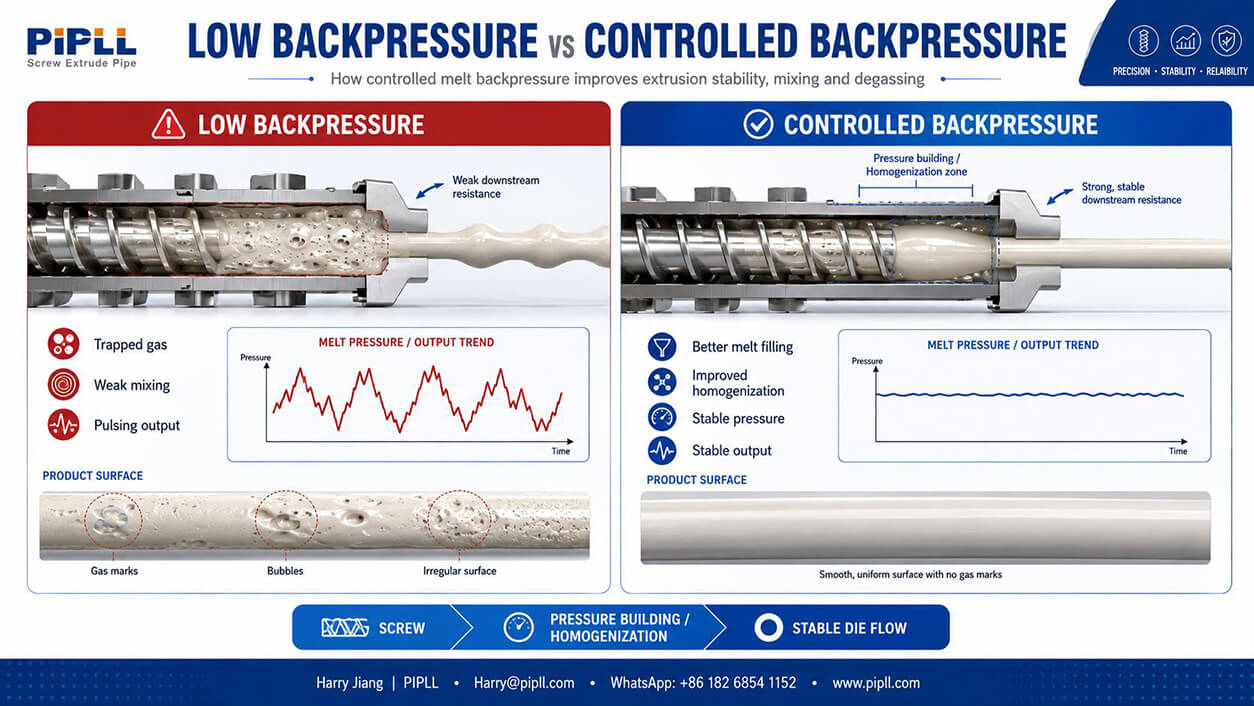
Operators usually worry about too much pressure. But in some extrusion processes, too little effective downstream resistance can also cause problems.
The melt needs sufficient filling and pressure through the downstream screw and die system to maintain controlled melt transport, homogenization, degassing, mixing and final metering.
When pressure is too low, possible symptoms include:
- Poor melt densification
- Incomplete degassing
- Gas trapped in the melt
- Bubbles or gas streaks
- Poor surface appearance
- Weak mixing
- Output instability
The key point is not 'more pressure is always better.' The extrusion system needs enough controlled resistance to maintain stable filling, mixing, degassing and metering.
3. Why Very Low Resistance Can Hurt Mixing
Imagine a screw that simply pushes material forward with very little downstream resistance. The melt moves through quickly, but it may experience insufficient residence, filling or deformation in the areas intended for homogenization.
For color masterbatch, fillers and multi-component formulations, the result may be:
- Color streaks
- Poor dispersion
- Local concentration differences
- Inconsistent melt temperature
- Unstable product properties
This does not mean you should create as much backpressure as possible. It means the screw, mixing section and downstream resistance must work together.
4. Controlled Resistance Can Help Stabilize Flow
In machines equipped with an appropriate melt-pressure or back-pressure control device, a controlled restriction can be used to modify downstream pressure.
Conceptually:
Unstable low-resistance flow: Screw → Gas / poorly mixed melt → Pulsing output
Controlled pressure zone: Screw → Controlled resistance → Pressurized homogeneous melt → Stable outputWhen properly applied, controlled backpressure can help:
- Increase melt filling
- Improve pressure stability
- Support mixing
- Reduce low-frequency output fluctuation
- Improve melt densification
- Produce more uniform die flow
Think of the pressurized melt zone as a small buffer reservoir. Instead of every small fluctuation from the screw immediately reaching the die, part of that variation can be damped before the material exits.
5. Never Use Backpressure to Hide the Real Problem
If output is surging because of hopper bridging, worn screw and barrel, incorrect screw geometry, bad temperature control, blocked screen or poor material consistency, simply increasing backpressure may hide the symptom temporarily rather than solve the cause.
Before increasing resistance, ask: Why does the system need more resistance than it did before?
6. Excessive Backpressure Can Cause Thermal Degradation
Backpressure is useful only inside the correct processing window. Too much restriction can increase screw work, shear rate, melt temperature, residence time and internal recirculation.
PVC
PVC has a relatively narrow processing window and is sensitive to excessive temperature and shear. Too much restriction can contribute to yellowing, dark particles, burning, material degradation and deposits.PLA and Other Degradation-Sensitive Materials
PLA and other heat-sensitive polymers require careful control of melt temperature, residence time, moisture and shear. For these materials: more backpressure does not automatically mean better processing.7. Adjust Backpressure Slowly — Never Violently
If the machine is equipped with an adjustable melt-pressure or back-pressure valve, adjustment should be gradual. Monitor melt pressure, melt temperature, motor load, output, product surface and vent behavior.
Adjust in small increments within the machine manufacturer's permitted pressure range. For equipment with sufficiently fine control, changes on the order of 1–2 bar at a time may be useful as an observation step, but this should not be treated as a universal setting for every extruder.
The principle is:
Adjust a little → wait for stabilization → observe → adjust again8. High-Filler Materials Need Extra Caution
If you process high CaCO3 PVC, mineral-filled PE/PP, WPC, filler masterbatch or recycled compounds with hard contamination, the pressure-control components themselves can also experience wear.
High mineral filler loading can increase abrasive wear on:
- Screw flights
- Barrel bore
- Valve surfaces
- Flow restrictions
- Replaceable inserts
If a pressure-control valve gradually loses its ability to regulate flow, the extrusion process may again become unstable.
For high-filler applications, inspect the valve, restrictor, melt channel, screen pack and die entry for abrasive wear or deposits. Before shutdown, follow the machine and material supplier's approved purging procedure. For compounds prone to degradation, buildup or heavy filler deposits, proper purging can reduce material remaining in narrow flow passages.
9. Unstable Degassing Can Look Like Surging
If your extruder has a vent or vacuum port, watch it carefully.
- Vent port repeatedly flooding
- Melt rising and falling in the vent
- Frequent material carryover
- Visible gas release changing cyclically
- Product bubbles appearing together with pressure fluctuation
If vent behavior changes significantly while material and operating settings remain the same, investigate melting condition, screw filling, vent-section geometry, downstream restriction and screw wear.
10. Screw & Barrel Wear Can Destroy Pressure-Building Ability
As screw and barrel wear increases, flight-to-barrel clearance grows. More melt can leak backward.
Instead of:
Rotation → Forward pumping → Pressureyou increasingly get:
Rotation → Internal leakage → Lost pumping efficiencyTypical symptoms include:
- Same kg/h needs higher RPM
- Specific output decreases
- Head pressure becomes difficult to build
- Output begins to fluctuate
- Increasing backpressure adjustment is required
- Melt temperature rises
- Product consistency worsens
A Practical Test: Can the Extruder Still Build Pressure?
Under safe, controlled operating conditions and within OEM pressure limits, compare today's pressure-building capability with historical data.
Example:
Before: 60 rpm → 180 bar stable
Now: 60 rpm → 140 barThen controlled downstream resistance is increased slightly, but pressure still rises very little.
If material is the same, melt temperature is comparable, screen is clear, die condition is unchanged and the pressure sensor is functioning, this strongly suggests that the screw is losing effective sealing and pumping capability.
The Correct Backpressure Window
The objective is not minimum pressure and not maximum pressure. It is stable processing pressure.
Pressure Zone Typical Result Too Low Poor filling / weak homogenization / possible unstable degassing / flow fluctuation Correct Stable melt / good mixing / controlled degassing / stable output Too High High shear heat / higher energy / excessive residence time / degradation risk 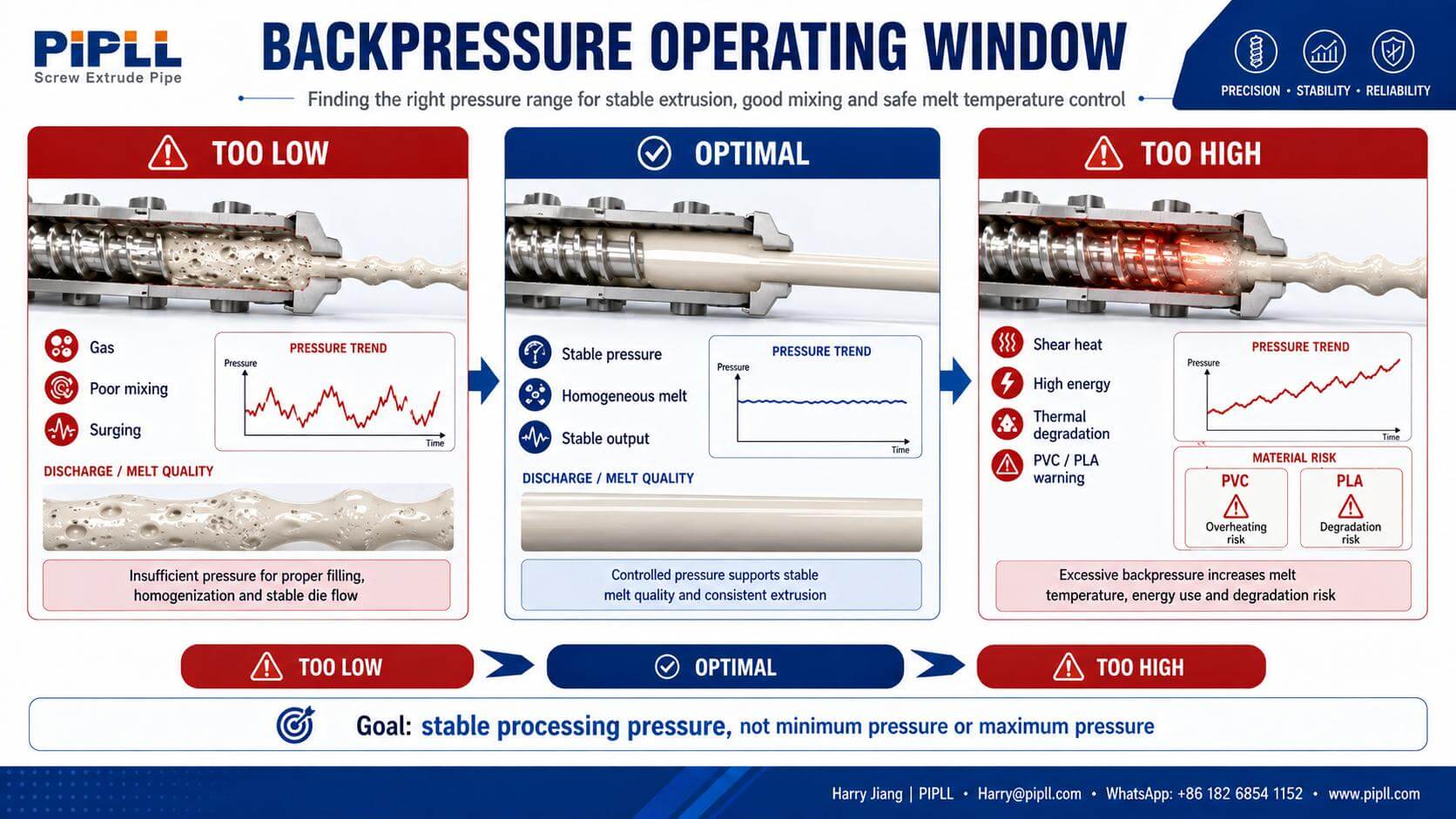
Extruder Surging: A Faster Diagnostic Matrix
Symptom First Area to Investigate Output pulses together with feeder Hopper / feeding Bubbles + gas streaks + unstable output Moisture / degassing / pressure Vent repeatedly floods Melting / filling / pressure balance Color masterbatch is poorly mixed Mixing section / residence / process resistance Surging worsens at high RPM Melting capacity / screw design Melt temperature oscillates Heating / cooling control Upstream pressure keeps increasing Screen / die restriction Same output requires higher RPM Screw & barrel wear Pressure cannot be built as before Clearance / pumping efficiency More backpressure stabilizes flow temporarily Investigate why natural pressure/mixing has weakened How PIPLL Troubleshoots This Type of Problem
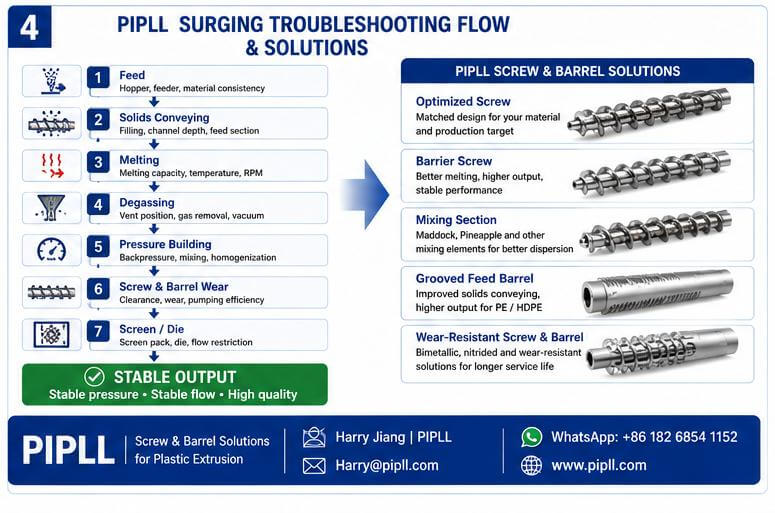
When a customer tells us, 'The extrusion flow keeps going up and down,' we do not immediately recommend replacing the screw. We separate the system into five stages:
- Feeding — Is material entering consistently?
- Melting — Can the screw melt the solids at the required rate?
- Degassing — Can trapped gas, moisture or volatiles escape correctly?
- Mixing & Pressure Building — Is there enough controlled filling and resistance for homogeneous melt delivery?
- Screw & Barrel Condition — Has increased clearance reduced sealing and pumping efficiency?
Possible PIPLL Solutions
- Optimized Screw Geometry — for mismatched feed, melting or metering capacity.
- Barrier Screw — for applications where controlled melting is the limiting factor.
- Customized Mixing Section — for poor color, filler or additive homogenization.
- Grooved Feed Barrel + Matched Screw — for PE / HDPE applications limited by solids conveying.
- Wear-Resistant Screw & Barrel — for high filler, recycled or abrasive compounds.
- Bimetallic / Liner Solutions — for applications where repeated abrasive wear shortens service life.
Don't Solve Surging by Turning One Knob
When flow suddenly becomes unstable, it is tempting to adjust temperature, screw speed and backpressure repeatedly. That makes diagnosis harder.
A better sequence is:
Feed → Pressure Trend → Vent / Gas Behavior → Melt Temperature → Screen & Die Resistance → Specific Output → Screw & Barrel ConditionOnly then should you change component design.
Is Your Extruder Pulsing Even Though RPM and Temperature Are Stable?
Send PIPLL:
- Extruder model
- Screw diameter / L/D
- Material formulation
- Filler or regrind percentage
- Screw RPM
- Current output
- Historical stable output
- Melt-pressure trend
- Melt temperature
- Photos or video of vent behavior
- Photos of surface defects
- Screw/barrel drawing if available
A short video showing the pressure gauge and die discharge during one complete surge cycle can be particularly useful.
PIPLL can help determine whether the instability is related to feeding, degassing, mixing, pressure balance, screw geometry or screw/barrel wear.
Related Products
-
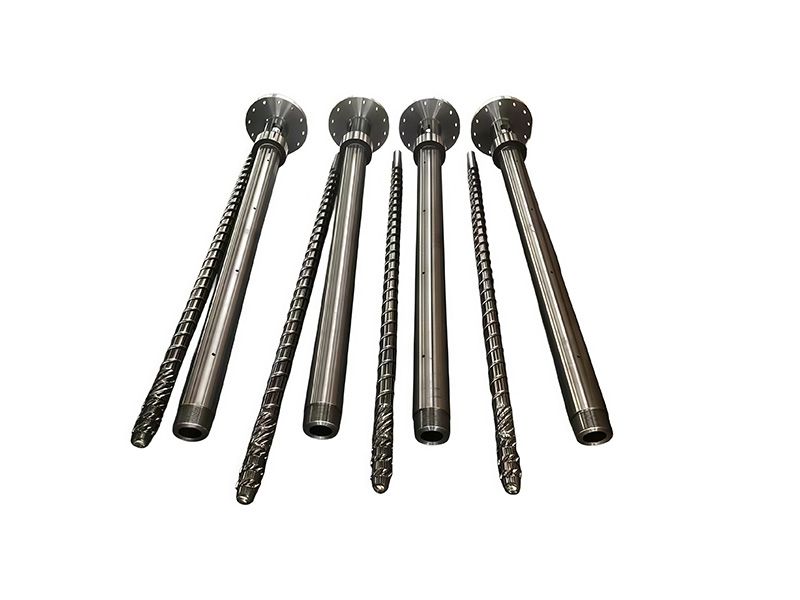
PIPLL High-Speed Single Extruder Screw Barrel
-
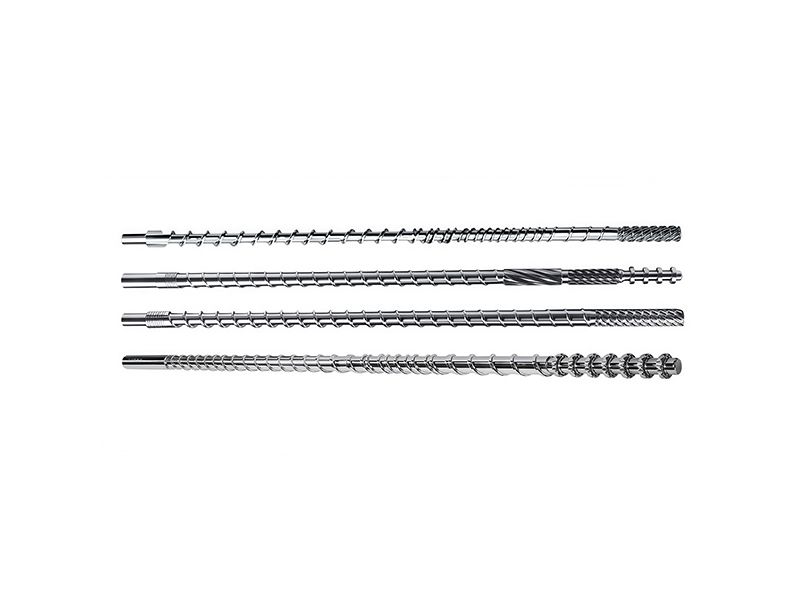
Film Blowing Extrusion Screw Barrel
-
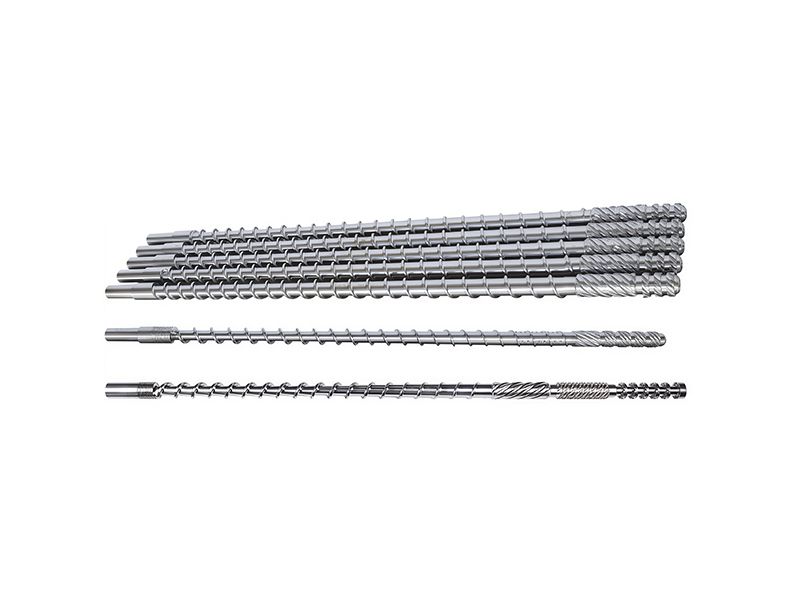
Extrusion Blow Molding Screw Barrel
-
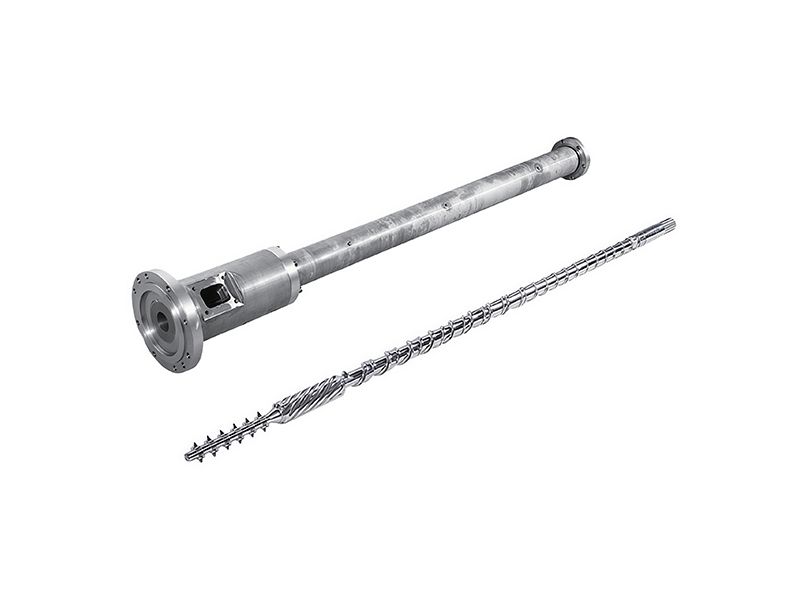
Pipe(Tube) Extrusion Screw Barrel
-
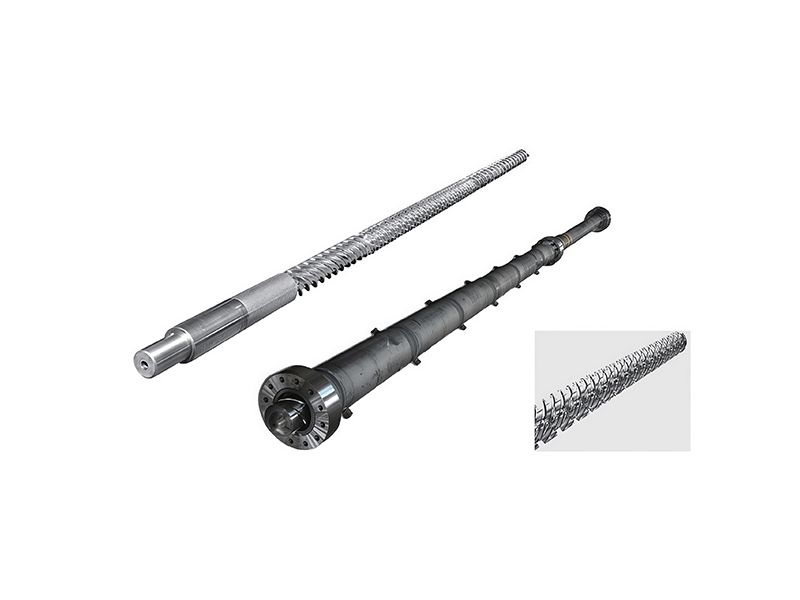
Foaming Extrusion Screw Barrel
-
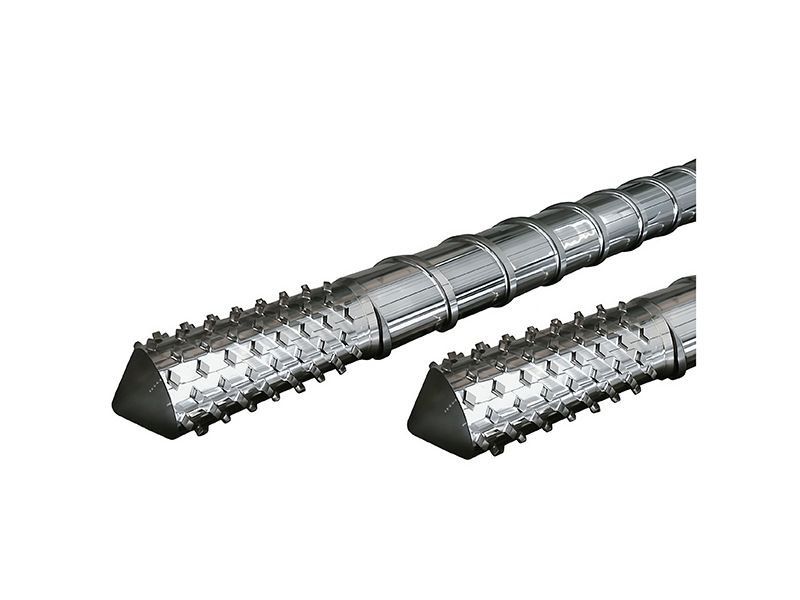
Chemical Fiber Extrusion Screw Barrel
-
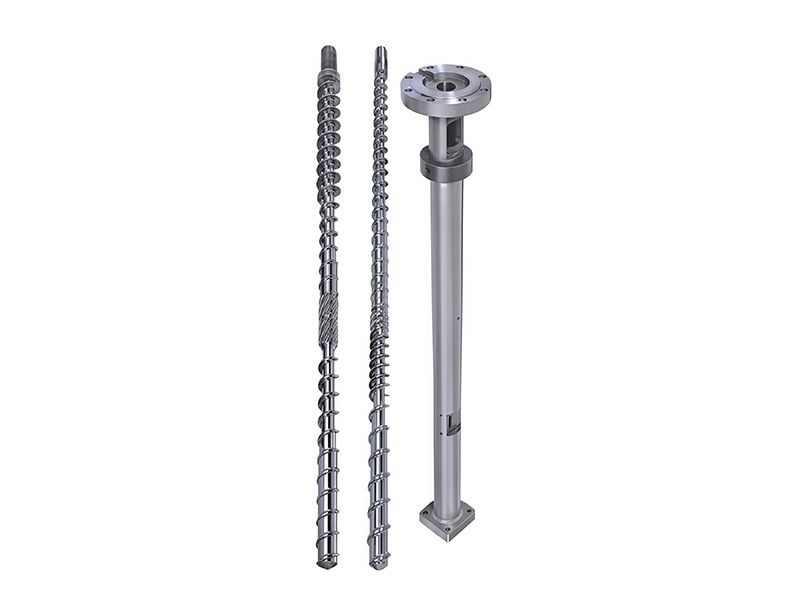
Recycling Granulation Extrusion
-
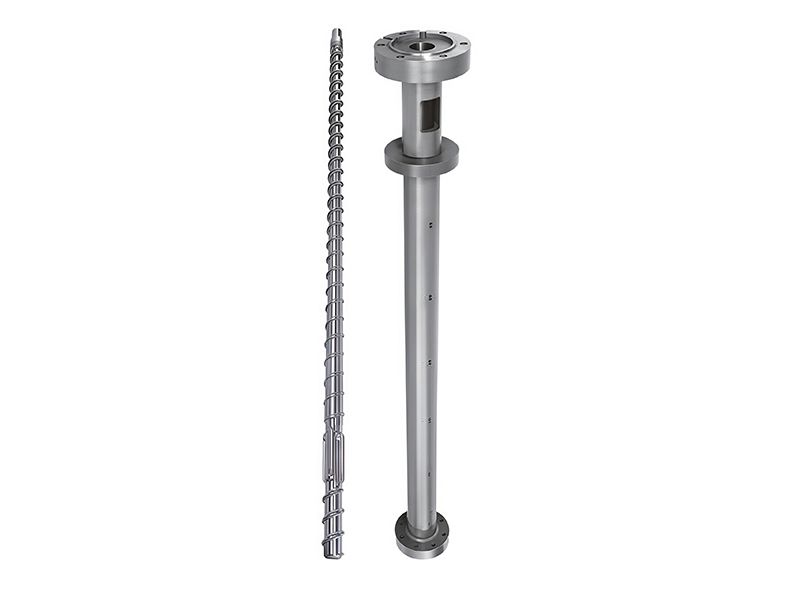
Cast Film Extusion Screw Barrel
-
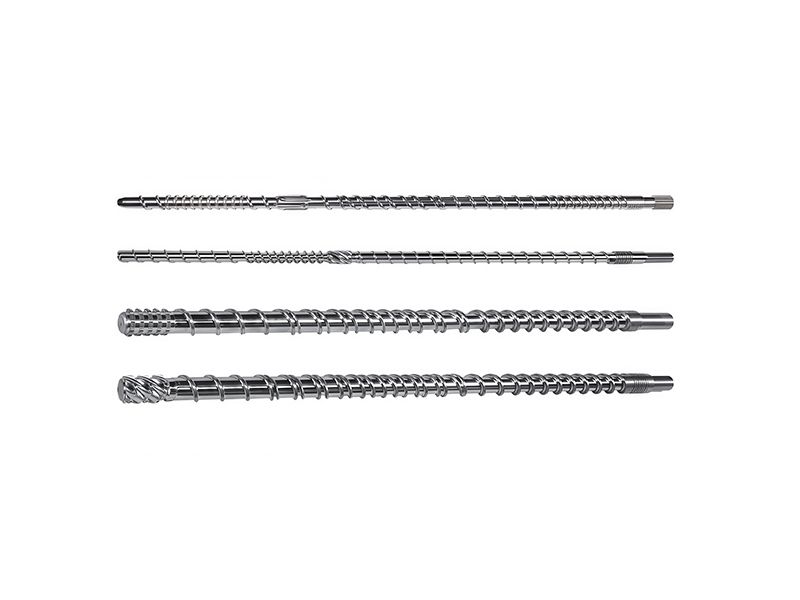
Sheet Extrusion Screw Barrel
-
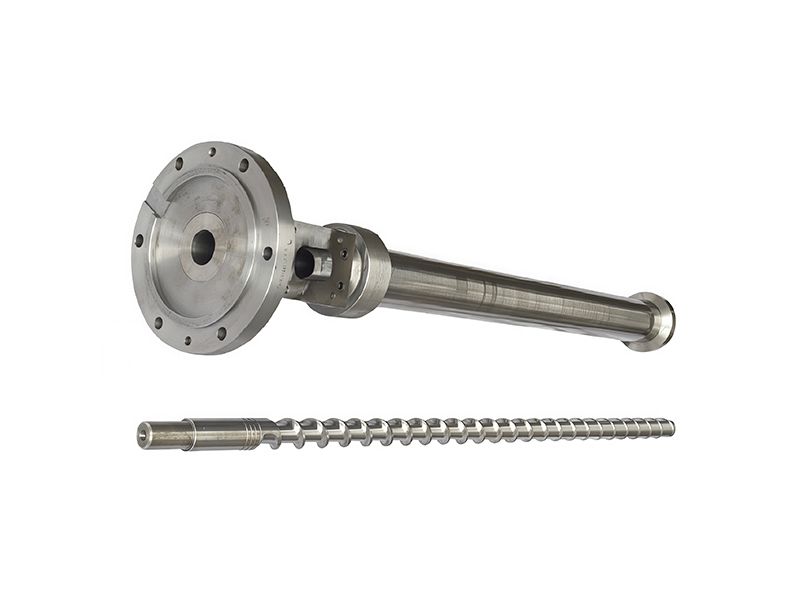
Cable Extrusion Screw Barrel