 Languages
Extruder Screw Barrel Replacement Guide
When Should You Replace an Extruder Screw and Barrel?
7 Warning Signs of Wear for Plastic Extrusion ManufacturersExtruder screw and barrel components do not usually fail overnight. In most cases, wear develops gradually and becomes visible through changes in output, melt stability, energy consumption, and product quality.
For plastic extrusion manufacturers, delaying screw barrel inspection can lead to unstable production, higher material waste, and unplanned downtime. Knowing the warning signs early helps determine whether the equipment needs adjustment, refurbishment, or complete replacement.
This guide explains the most common signs of screw and barrel wear and what should be checked before ordering a replacement.
GET A FREE QUOTE NOW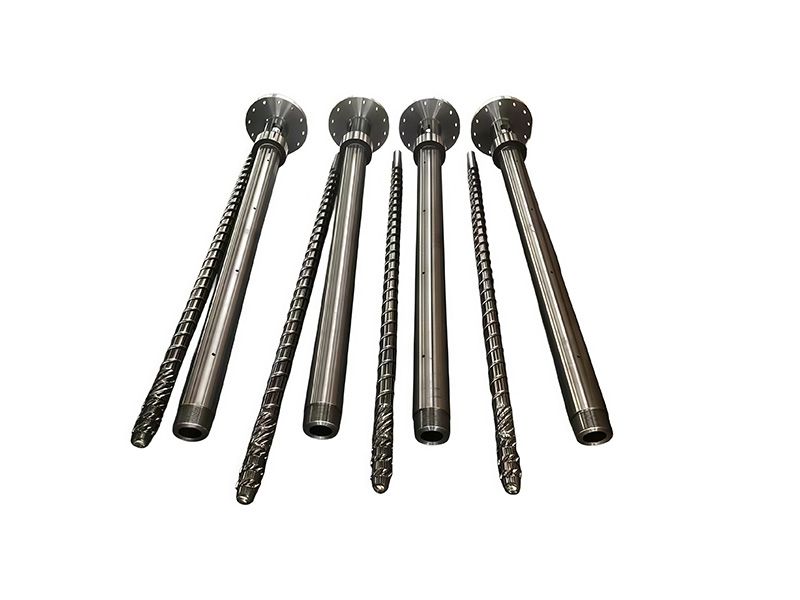
Why Screw and Barrel Wear Matters
During extrusion, the screw conveys, compresses, melts, mixes, and pressurizes the material before it reaches the die. The barrel provides the controlled processing channel in which these actions take place.
As the screw flight and barrel inner surface wear, the clearance between them increases. This reduces conveying efficiency and makes it more difficult to maintain stable melt pressure.
The consequences may include:
- · Lower production output
- · Higher screw speed needed to maintain the same output
- · Unstable melt pressure
- · Poor plasticization
- · Product surface defects
- · Increased material waste
- · Higher energy consumption
- · More frequent production interruptions
Wear is especially common when processing abrasive, corrosive, recycled, or highly filled materials.
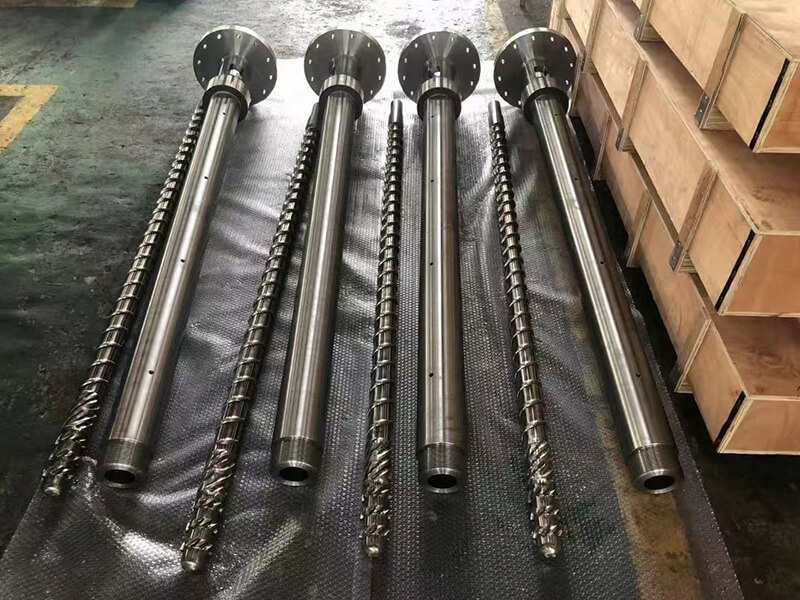
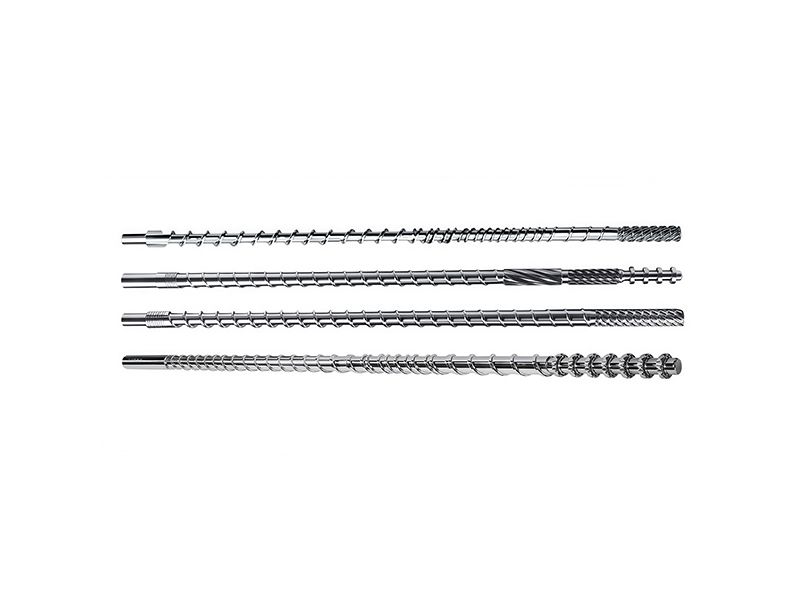
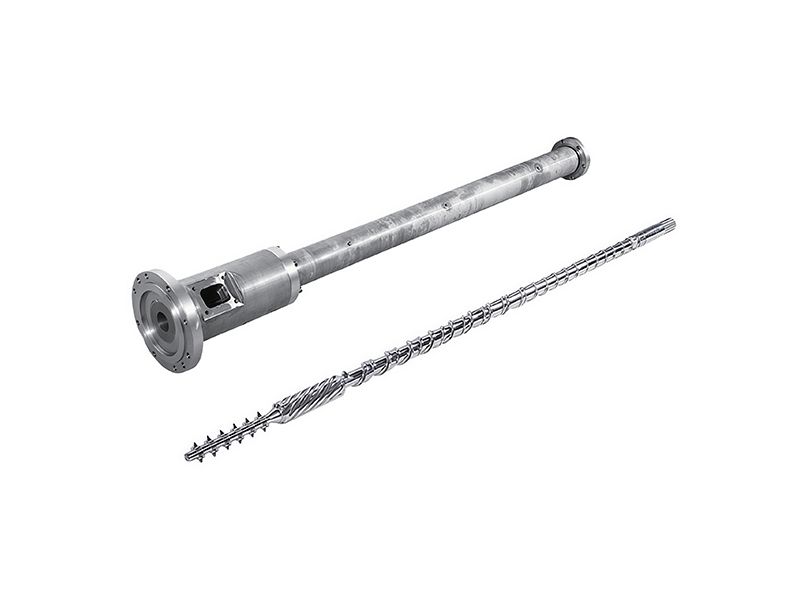
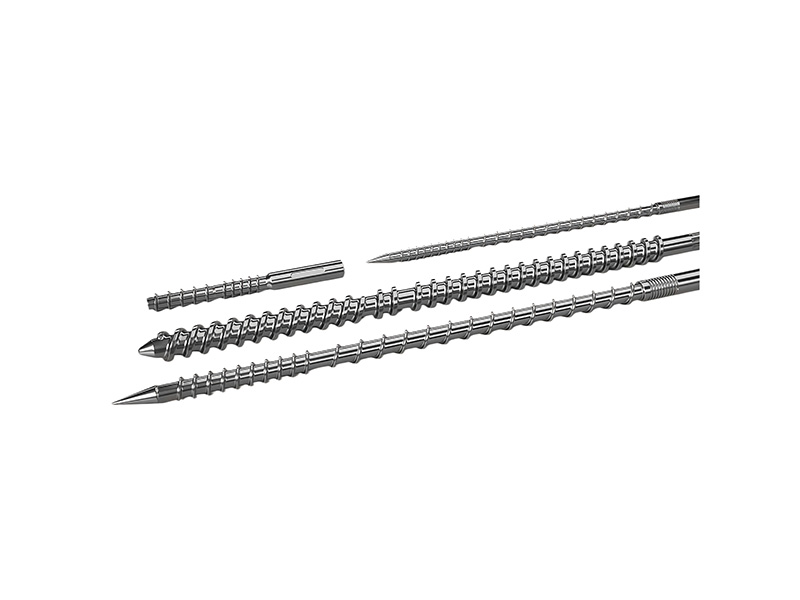
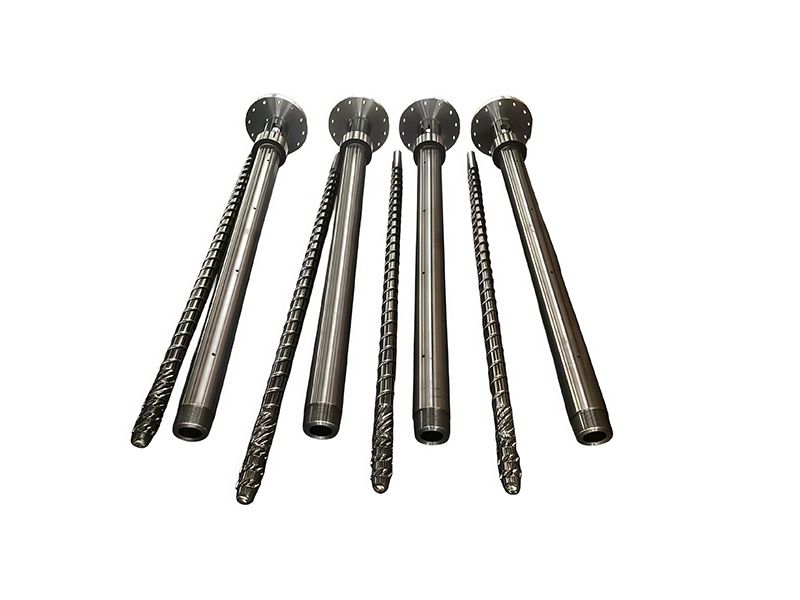
Figure 1. PIPLL single extrusion screw and barrel components for plastic extrusion applications.1. Output Is Gradually Decreasing
A gradual drop in output is one of the most common warning signs of screw and barrel wear.
If the same material, machine settings, and production process previously produced a higher output, but the line now requires more screw speed to achieve the same result, the screw barrel condition should be checked.
As clearance increases between the screw and barrel, material can flow backward more easily. This reduces the screw's conveying efficiency and weakens its ability to build stable pressure.
- · Raw material consistency
- · Feeding stability
- · Temperature settings
- · Heater and cooling performance
- · Die condition
- · Screen pack condition
- · Drive system performance
However, when output loss develops gradually over a long production period, wear should be considered as a likely factor.
2. Melt Pressure Becomes Unstable
Stable melt pressure is important for consistent extrusion quality. When pressure fluctuates excessively, the final product may show thickness variation, surface defects, dimensional instability, or inconsistent weight.
Worn screw flights and barrel surfaces can reduce pressure‑building capability. The extruder may still run, but it becomes more difficult to maintain a stable process window.
This issue is particularly important in applications such as PVC sheet extrusion, pipe extrusion, profile extrusion, film extrusion, cable coating, pelletizing, and high‑output production lines.
Pressure instability does not always mean that the screw and barrel must be replaced immediately. But it is a clear signal that the production line should be inspected before the problem becomes more serious.
3. More Screw Speed Is Required for the Same Production Output
When an extrusion line needs a higher screw speed than before to maintain the same output, this may indicate that conveying efficiency has declined.
A common pattern is that output begins to decrease, operators increase screw speed to compensate, melt temperature rises, pressure becomes less stable, and product quality becomes harder to control.
Increasing screw speed may temporarily maintain output, but it can also increase shear and heat generation. For heat‑sensitive materials such as PVC, this can make processing conditions more difficult to control.
Instead of continuously compensating with higher speed, manufacturers should evaluate whether the screw and barrel still match the required operating condition.
4. Product Quality Is Becoming Inconsistent
Changes in product quality may be related to many factors, including raw materials, temperature control, die condition, cooling, and downstream equipment.
However, worn screw and barrel components can also affect melt homogeneity and pressure stability, which can appear as:
- · Uneven product thickness
- · Surface roughness
- · Flow marks
- · Color inconsistency
- · Poor dimensional stability
- · Uneven foaming
- · Inconsistent product weight
- · Melt temperature fluctuation
The key point is not to assume that every quality issue comes from the screw barrel. Instead, the screw barrel should be included in a systematic troubleshooting process.
5. The Screw and Barrel Have Reached Their Expected Service Life
Every screw barrel has a practical service life. The actual lifespan depends on material formulation, filler level, production hours, screw speed, processing temperature, maintenance practices, and component material.
A conventional nitrided screw and barrel may provide suitable performance in moderate operating conditions. However, highly filled compounds, recycled plastics, glass fiber, calcium carbonate, mineral fillers, and corrosive additives can accelerate wear significantly.
If the production line has operated continuously for years under demanding conditions, it may be more economical to inspect the screw and barrel before a major failure occurs.
Planned replacement is usually easier to manage than emergency replacement. It allows the manufacturer to prepare drawings, confirm dimensions, select suitable materials, and schedule downtime more effectively.
6. Inspection Shows Excessive Clearance
The most reliable way to evaluate screw barrel wear is through measurement.
A technician can measure the outer diameter of the screw flight and the inner diameter of the barrel at multiple positions. The measured clearance can then be compared with the original design requirement or machine manufacturer's specification.
Important inspection points may include:
- · Screw flight outer diameter
- · Barrel inner diameter
- · Wear at the compression section
- · Wear at the metering section
- · Localized wear near the feed opening
- · Condition of the screw tip and end connection
- · Surface scratches, corrosion, or material buildup
Wear is not always uniform. In some applications, the feeding zone or high‑pressure section may wear faster than other areas. This is why an inspection should not rely only on one measurement point.
7. Frequent Repairs Are Increasing Maintenance Costs
Refurbishment can be a practical solution when wear is limited and the base components remain structurally sound. Depending on the condition, repair methods may include screw flight rebuilding, surface treatment, polishing, or machining.
However, repeated repair is not always the most economical option.
A new screw and barrel may be more appropriate when:
- · Wear is severe or uneven
- · Output loss is affecting production targets
- · Repairs are becoming frequent
- · The original material is no longer suitable for the application
- · The customer is upgrading to a more abrasive formulation
- · The barrel inner surface is seriously worn or damaged
- · The production line requires better wear resistance
For demanding applications, upgrading from a conventional nitrided solution to a bimetallic barrel or wear‑resistant alloy screw may help extend service intervals.
Repair or Replace: How to Make the Decision
The correct decision depends on the actual condition of the screw barrel and the production requirements.
Repair may be suitable when:
- · Wear is limited
- · The screw core remains in good condition
- · The barrel is still within acceptable tolerance
- · The production requirement is moderate
- · A short‑term restoration is needed
Replacement may be more suitable when:
- · Output has declined significantly
- · Pressure is unstable
- · Clearance is beyond the acceptable range
- · Wear is severe or uneven
- · The production material has become more abrasive
- · The equipment needs a long‑term performance upgrade
When replacing a screw barrel, it is important not to select components based only on screw diameter. The material formulation, machine model, original drawing, operating conditions, and production target should all be considered.
What Information Is Needed for a Replacement Screw Barrel?
To evaluate a replacement or customized screw barrel, the following information is useful:
- · Extruder manufacturer and model
- · Screw diameter and total length
- · L/D ratio
- · Original screw and barrel drawing
- · Screw type: single screw, conical twin screw, or parallel twin screw
- · Filler content or reinforcement type
- · Current output requirement
- · Screw speed range
- · Existing screw and barrel material
- · Current production problems
- · Photos or measurements of worn components
If a complete drawing is unavailable, an old sample, photos, machine nameplate details, and key dimensions can still support an initial technical evaluation.
PIPLL Screw Barrel Solutions
PIPLL supplies customized screw and barrel solutions for plastic extrusion applications, including:
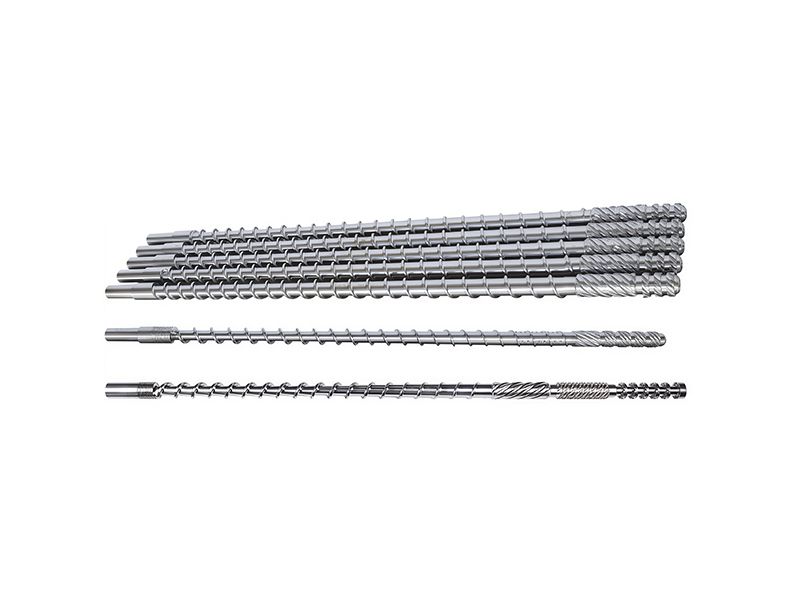
- · Single screw and barrel
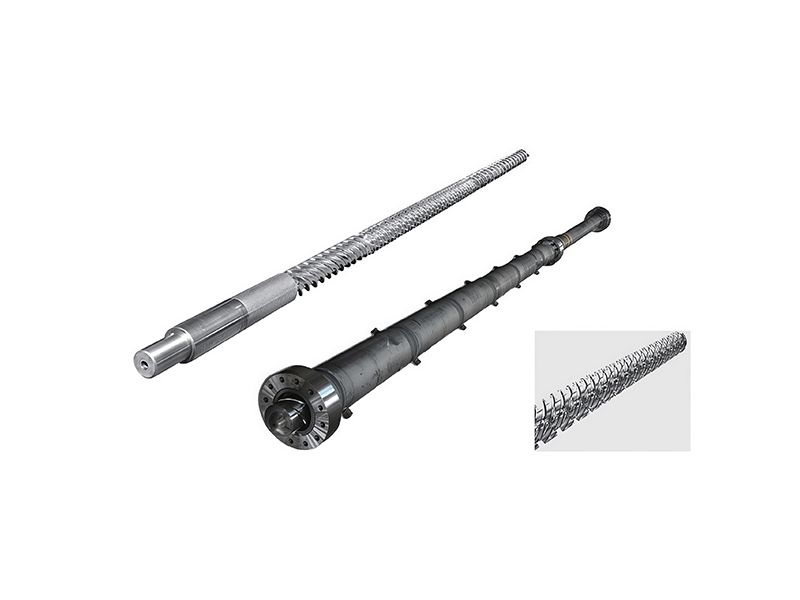
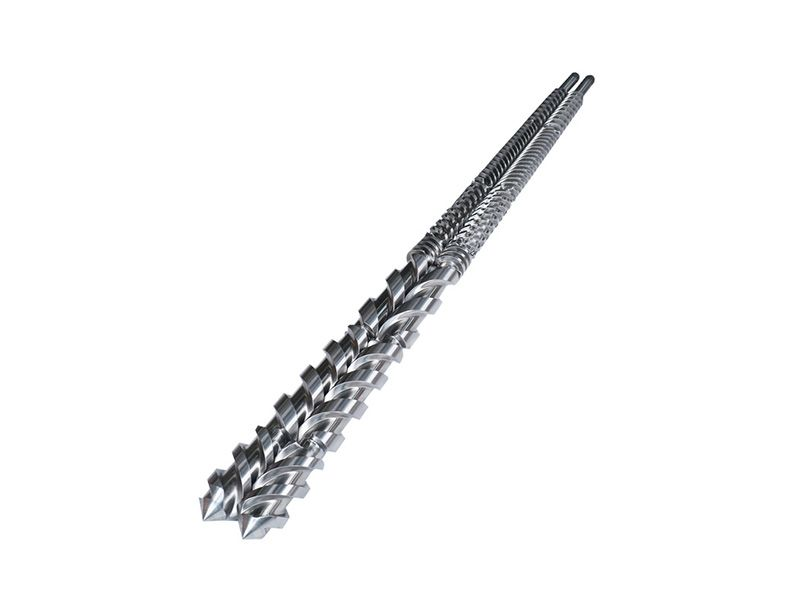
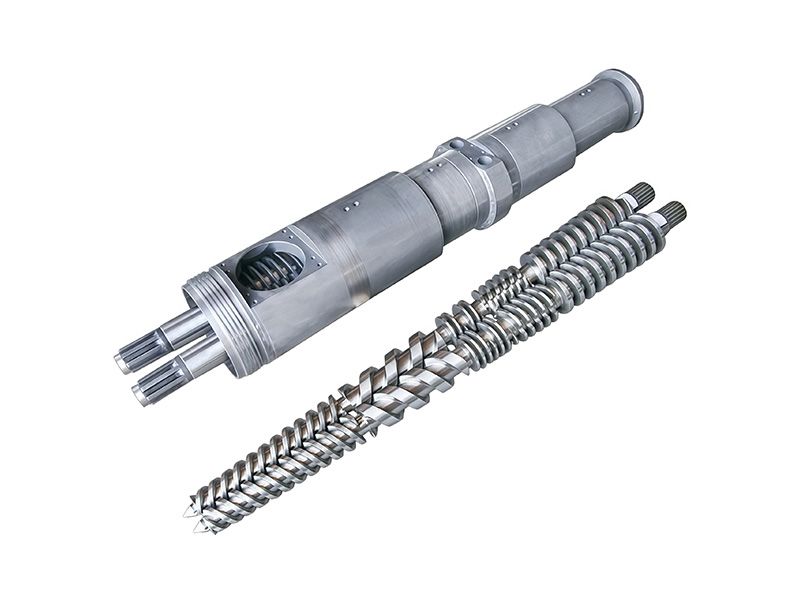
- · Conical twin screw and barrel
- · Parallel twin screw and barrel
- · Bimetallic barrel
- · Wear‑resistant alloy screw
- · PVC extrusion screw barrel
- · Sheet and profile extrusion screw barrel
- · Replacement screw barrel based on drawings or samples
For worn components, the goal is not only to reproduce the original dimensions. It is also important to evaluate whether the current material, filler level, and production requirements justify an upgraded to wear‑resistant solution.
Conclusion
A worn screw and barrel can gradually reduce output, weaken pressure stability, increase energy use, and make product quality more difficult to control.
The most common warning signs include declining output, higher required screw speed, unstable melt pressure, inconsistent products, visible wear, and increasing maintenance frequency.
Early inspection helps manufacturers avoid unplanned downtime and make a more informed repair‑or‑replace decision. For all replacement projects, a machine information, drawings, material details, and current production issues are all valuable for selecting a suitable solution.