 Languages
Extruder Maintenance Preventing Screw Breakage Black Specks and Gearbox Damage
Extruder Maintenance Preventing Screw Breakage Black Specks and Gearbox Damage
Why Daily Extruder Maintenance Matters
One extrusion line may run for years with predictable output, clean starts, and manageable changeovers. Another may develop black specks, noisy bearings, unstable temperature control, falling output, or a damaged screw much earlier than expected. The difference is often not only the machine specification. It is the daily maintenance routine.
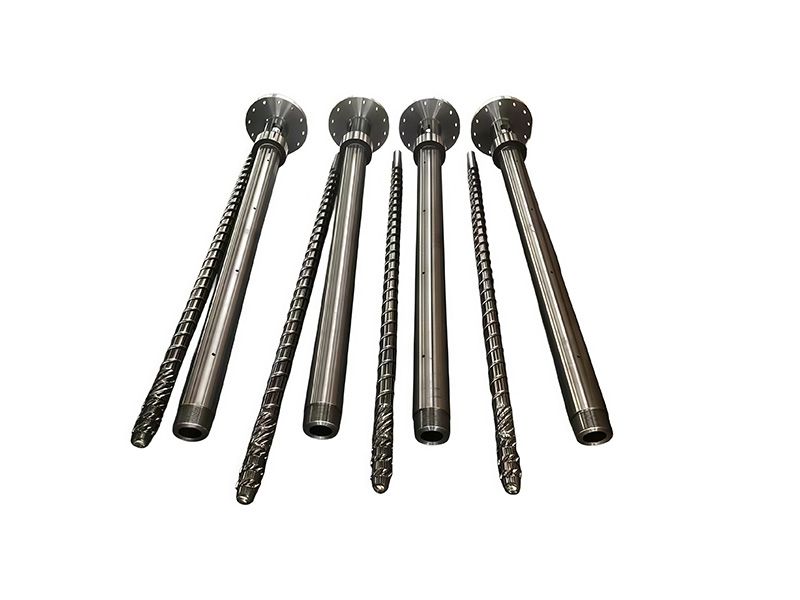
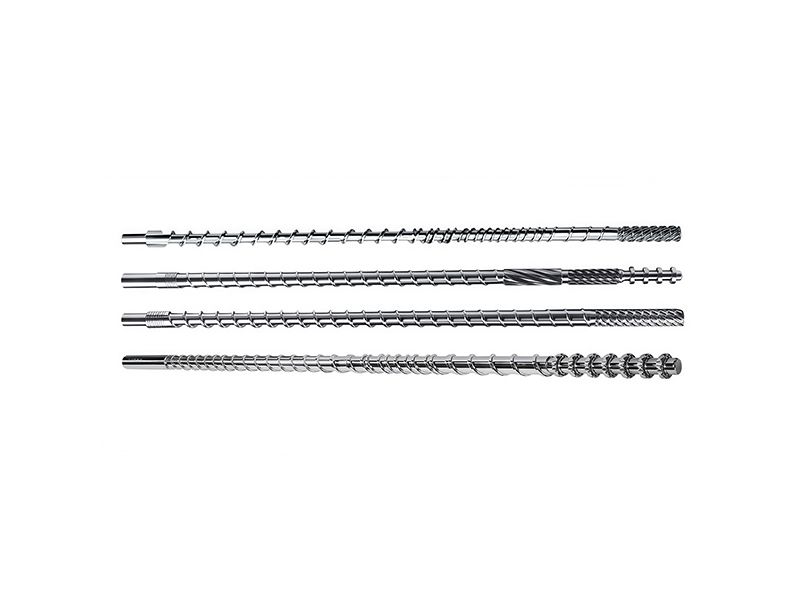
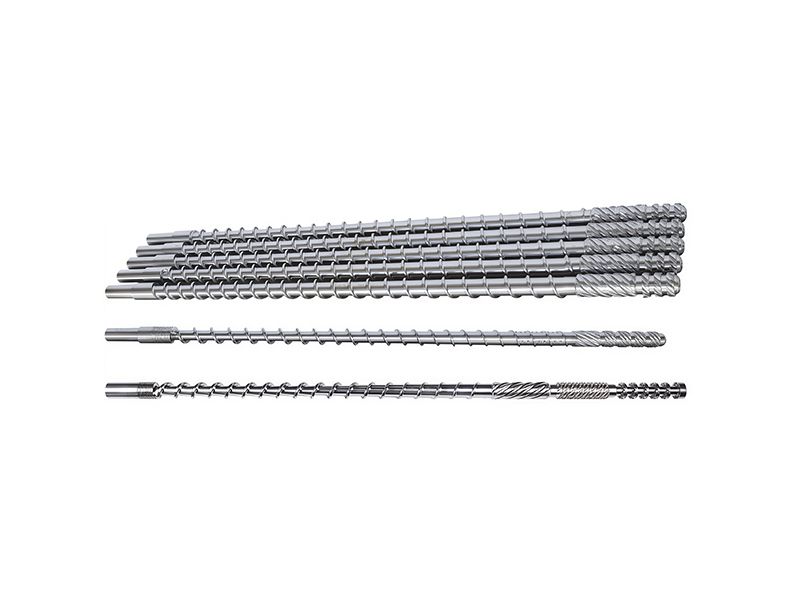
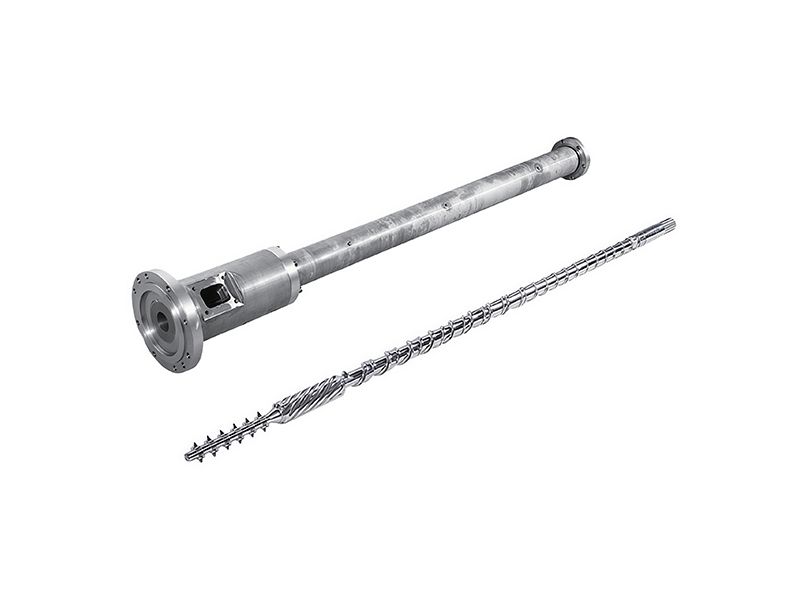
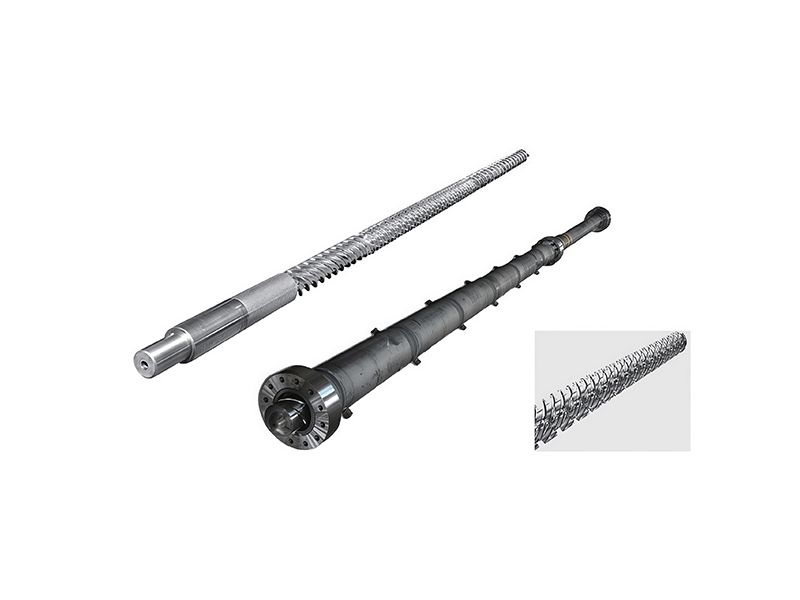
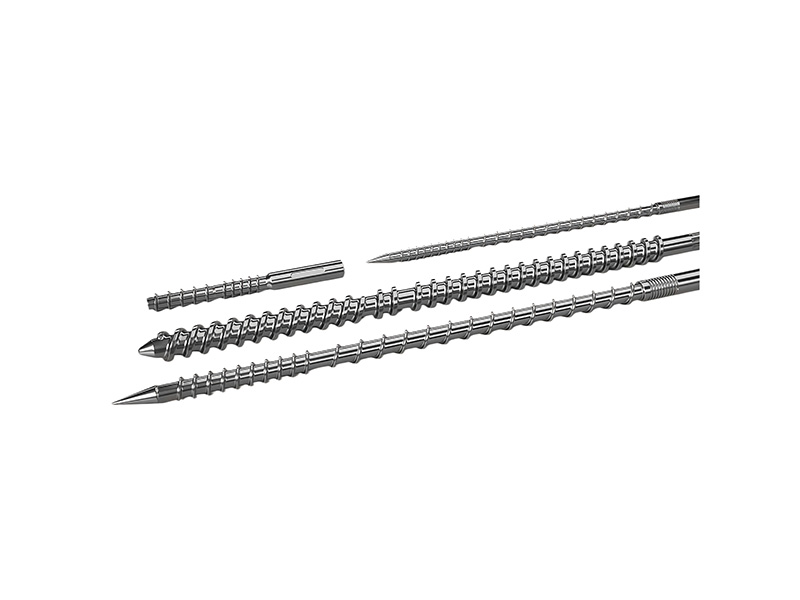
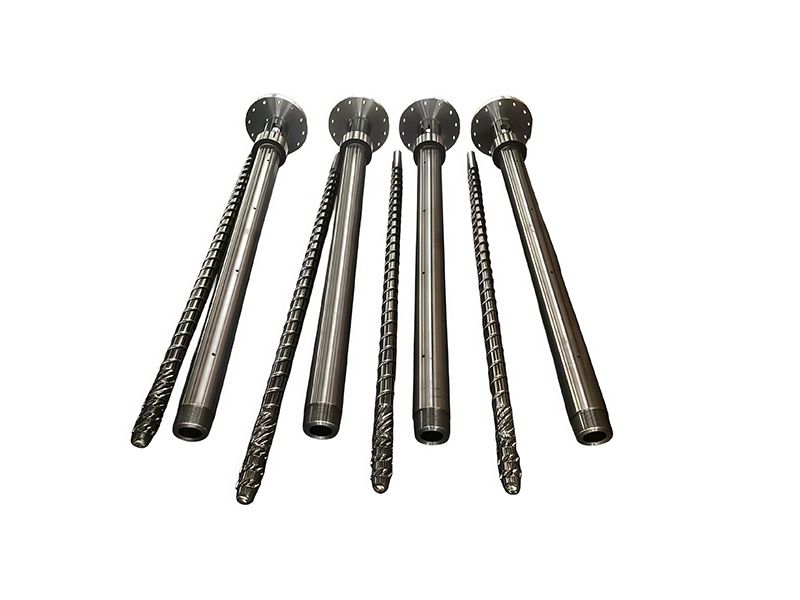
A single screw barrel for extruder is a working system. Resin condition, startup practice, lubrication, cooling, heating, contamination control, and operator response all affect how the screw and barrel wear. PIPLL recommends treating maintenance as part of process control, rather than waiting for a breakdown to reveal a problem.
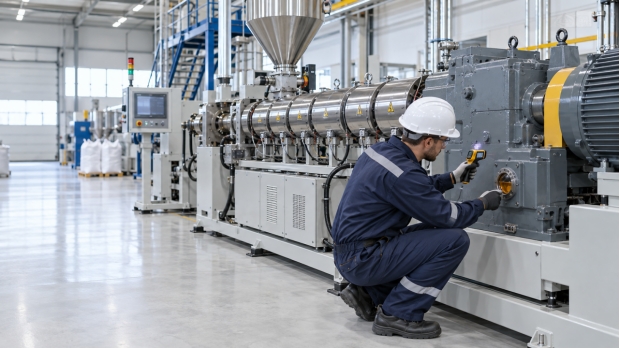
Hero image. Routine inspection of the gearbox and barrel heating zones on a plastic extrusion line.
Purge Correctly Before Shutdown
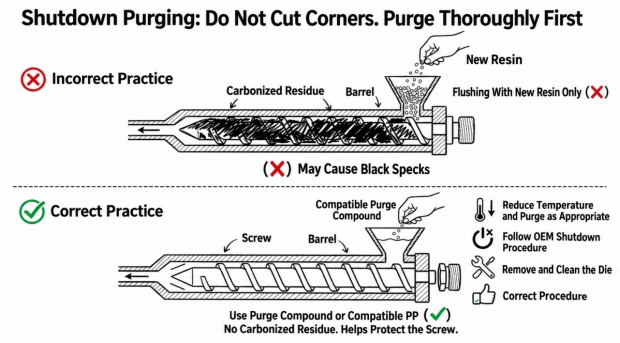
Residual material left in a barrel can degrade during shutdown. This is especially important with heat-sensitive compounds, PVC, some engineering plastics, PLA, PBAT, and formulations that contain color concentrates or additives. Carbonized residue can later appear as black specks, contaminate the next production run, and contribute to abrasive wear inside a single screw barrel .A quick flush that only makes the extrudate look cleaner is not always enough. Material can remain in screw channels, dead spots, the adaptor, screen changer, die, and other high-residence-time areas.A practical shutdown routine· Use a purge compound or a thermally stable compatible material selected for the resin and temperature range. High-flow PP or HDPE may be suitable in some processes, but material compatibility must be confirmed first.· For degradable or heat-sensitive materials, reduce residence time before shutdown. Follow the machine maker and material supplier guidance for the temperature profile and shutdown procedure.· For extended downtime, remove residue from downstream components where practical. Do not keep a screw running empty longer than the equipment maker recommends.· Record repeated black-speck events. They can indicate degraded residue, a hot spot, poor cleaning, or a component condition that deserves inspection.Purge Correctly Before Shutdown
Residual material left in a barrel can degrade during shutdown. This is especially important with heat-sensitive compounds, PVC, some engineering plastics, PLA, PBAT, and formulations that contain color concentrates or additives. Carbonized residue can later appear as black specks, contaminate the next production run, and contribute to abrasive wear inside a single screw barrel.A quick flush that only makes the extrudate look cleaner is not always enough. Material can remain in screw channels, dead spots, the adaptor, screen changer, die, and other high-residence-time areas.A practical shutdown routine· Use a purge compound or a thermally stable compatible material selected for the resin and temperature range. High-flow PP or HDPE may be suitable in some processes, but material compatibility must be confirmed first.· For degradable or heat-sensitive materials, reduce residence time before shutdown. Follow the machine maker and material supplier guidance for the temperature profile and shutdown procedure.· For extended downtime, remove residue from downstream components where practical. Do not keep a screw running empty longer than the equipment maker recommends.· Record repeated black-speck events. They can indicate degraded residue, a hot spot, poor cleaning, or a component condition that deserves inspection.Figure 1. Correct shutdown purging helps prevent carbonized residue and black specks.
Do Not Rush a Cold Start
A temperature controller reaching its setpoint does not prove that material inside the barrel has fully softened. The sensor measures the barrel zone or a temperature well. Heat still needs time to transfer into the material in the screw channels, especially on large machines or during cold ambient conditions.
Starting against partially softened material can create a high torque demand. Depending on the line, this may overload the drive train, damage splines, accelerate gearbox wear, or in severe cases contribute to screw breakage.
A safer startup sequence
· After the zones reach setpoint, allow an appropriate soak period. Twenty to thirty minutes is a common operating practice on many lines, but the correct time depends on barrel size, resin, machine design, and the OEM procedure.
· Start at low speed and increase gradually while watching motor current, torque, pressure, and sound from the drive train.
· If manual rotation is difficult or motor load rises abnormally, stop and investigate. Do not force the screw by repeated jogging.
Treat Gearbox Oil as a Maintenance Item
The gearbox transfers motor power into screw torque. Gear contact generates heat and, especially during initial operation, fine wear particles. If lubricant condition is ignored, those particles can circulate through the gearbox and increase wear on gears and bearings.
Use the gearbox maker’s specified lubricant, oil quantity, and change interval as the governing requirement. Many plants make the first oil change after an initial running-in period and then use scheduled oil changes, inspection, and where appropriate oil analysis. A calendar interval alone is not enough when load, temperature, dust, and operating hours vary.
· Check oil level before starting the line and investigate unexpected oil loss.
· Watch for milky oil, burnt odor, dark thickened oil, abnormal bearing temperature,
vibration, or new gearbox noise.
· Keep a simple record of oil changes, oil grade, operating hours, and abnormal observations.
Protect the Screw Barrel From Contamination
Normal wear can be expected with glass fiber, mineral filler, recycled materials, or aggressive formulations. Abnormal damage often comes from foreign metal, hard contamination, or poorly controlled regrind. A single screw and barrel for plastic extruder can be severely damaged by one screw, bolt, or metal fragment entering the feed system.
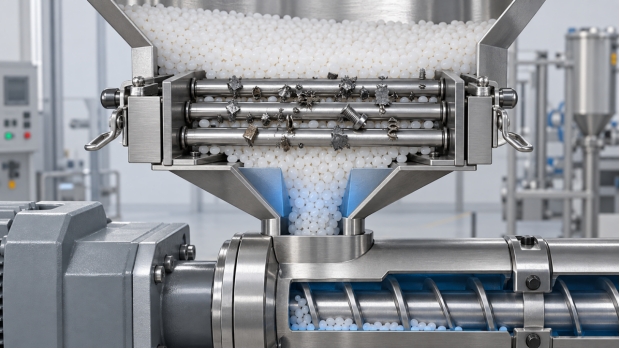
The hopper magnet is not a decorative accessory. Clean magnetic bars and grids on a schedule that reflects material risk and production volume. Regrind and recovered material should also be screened and inspected before it reaches the hopper.
When material selection also matters
For ordinary processing, a nitrided single screw barrel can be a practical option. For higher abrasion or corrosion risk, a bimetallic single screw barrel may offer a more suitable wear-resistant surface. The correct choice depends on the polymer, filler type and loading, expected output, screw speed, temperature, and actual wear mechanism. PIPLL reviews these conditions before recommending a replacement solution.
Figure 2. A hopper magnetic grate captures ferrous contamination before it can damage the screw and barrel.
Keep Cooling and Heater Zones Working
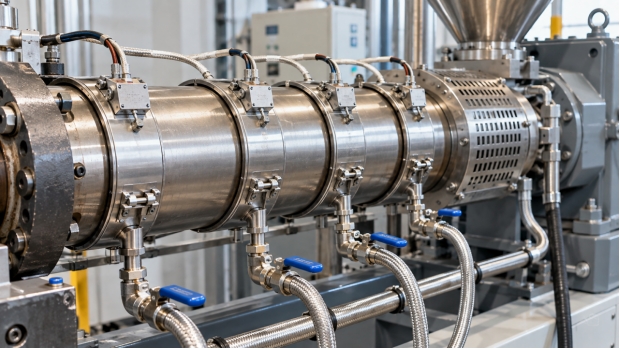
Poor cooling or a failed heater band can look like a process problem. Wall-thickness variation, yellowing, unstable melt temperature, or poor plastication can begin with a blocked cooling circuit, scale buildup, a loose heater band, or a faulty sensor.
Figure 3. Heater bands and cooling connections require regular inspection to maintain stable barrel temperatures.
· Use treated or suitably managed cooling water where water quality creates scale. Inspect flow, valves, and cooling lines on a planned basis.
· During scheduled shutdowns, check that heater bands fit tightly against the barrel and that fasteners have not loosened through thermal cycling.
· Investigate repeated zone overshoot, slow heating, or unusual temperature variation before changing the whole process recipe.
A Practical Maintenance Schedule
Frequency Check Purpose Each shift Purge quality, hopper magnet, oil level, alarms, visible leaks, unusual sound Prevent residue and contamination from becoming downtime Weekly Cooling flow, heater fasteners, temperature trend, motor current and pressure trend Find drift before it creates defects or overload Scheduled shutdown Gearbox lubricant condition, heater and sensor condition, adaptor and die cleanliness Protect drive components and maintain stable heat transfer When performance changes Screw and barrel clearance assessment, sample review, material contamination check Separate process issues from wear or damage When to Inspect or Replace a Screw and Barrel
Loss of output, unstable pressure, increased melt temperature, higher energy use, frequent black specks, severe wear marks, or a growing process window can indicate that inspection is required. Do not assume that every issue needs a new screw and barrel. First verify the resin, temperatures, feed quality, screen pack, die, heating, cooling, and drive condition.
When replacement is necessary, PIPLL can support customers looking for a single screw barrel manufacturer, custom extruder screw manufacturer, or OEM extruder screw barrel supplier. To evaluate a single extruder screw barrel correctly, provide the machine brand and model, screw diameter, L D ratio, original drawing or sample, resin, filler content, output, operating temperature, photos of the worn parts, and the observed production issue.
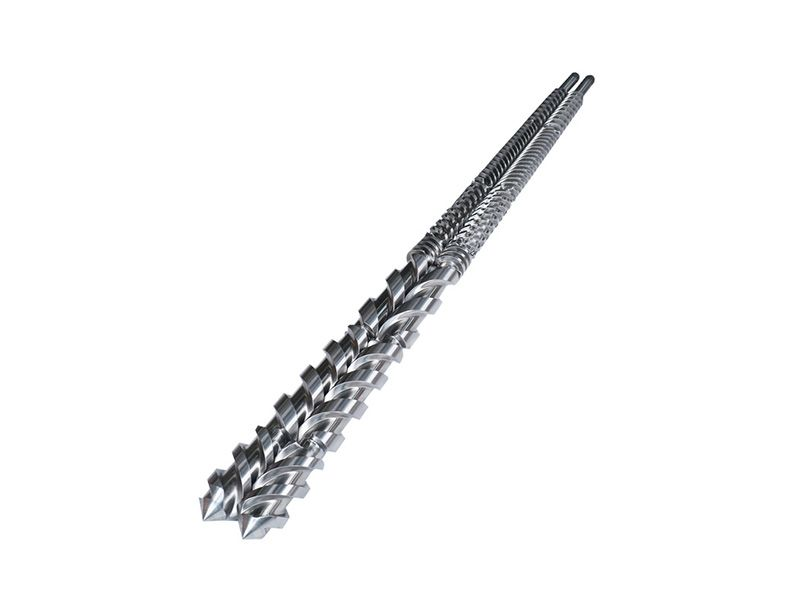
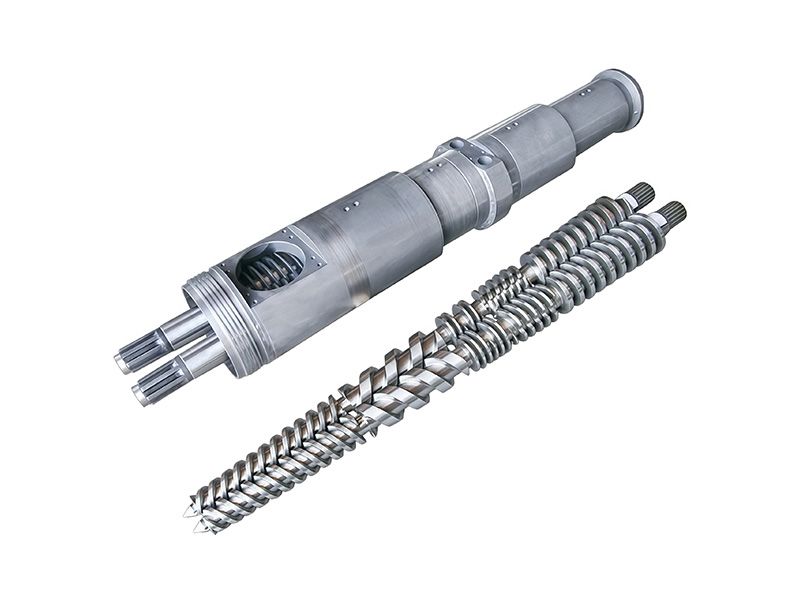
This information helps PIPLL assess whether a standard nitrided solution, a bimetallic single screw barrel , or another custom screw and barrel configuration is appropriate. It also helps compare single screw vs twin screw barrel requirements when the application or plant layout changes.
Frequently Asked Questions
How often should an extruder screw barrel be inspected
Inspect the line continuously through operating trends and perform physical inspection when output, pressure, product appearance, energy use, or noise changes. The physical interval depends on material abrasiveness, operating hours, and the line condition.
Can black specks come from a worn single screw barrel
They can, but black specks are not proof of wear. Start by checking residual material, temperature control, purge practice, and downstream dead spots. Inspect the screw and barrel if the issue continues.
Should I choose a nitrided or bimetallic single screw barrel
Choose based on the actual wear and corrosion conditions. Nitrided and bimetallic options serve different applications. A supplier should review your resin, filler, output, and wear evidence before recommending either option.
What does PIPLL need for a screw barrel quotation
Send machine data, dimensions or drawings, material information, operating conditions, photos, and a description of the performance issue. This supports a more accurate recommendation and quotation.
Conclusion
Extruder maintenance is not complicated because it requires a single advanced action. It works because operators consistently purge correctly, start safely, protect the gearbox, control contamination, and check heating and cooling before small issues become expensive failures.
For replacement support, PIPLL supplies custom screw and barrel solutions for plastic extrusion. Share your machine information and wear evidence with PIPLL to discuss a single screw barrel for PE PP PVC, a high-speed single extruder screw barrel, or another tailored solution for your process.