A Guide to Screw Geometry Barrel Duty and Replacement Data
A single screw barrel must match the installed extruder and the material being processed. A project for pipe, film, sheet, profile, cable, or pelletizing should start with the actual line data, not a nominal diameter alone. Where output and melt uniformity are the main requirement, a high speed single extruder screw barrel needs to be reviewed against the material and downstream tooling. For PE applications, the relevant PE polyethylene extrusion conditions also affect the profile and surface specification.
A single screw and barrel work as one processing system. The screw conveys and plasticizes the resin while the barrel provides the bore, zones, feed location, heating or cooling interfaces, and mechanical support. A replacement should therefore reproduce the machine interfaces first, then address the production duty and wear evidence.
This guide explains how to select a single screw barrel for plastic extrusion, how PE, PP, and PVC applications change the review, and what information supports a reliable replacement quotation.
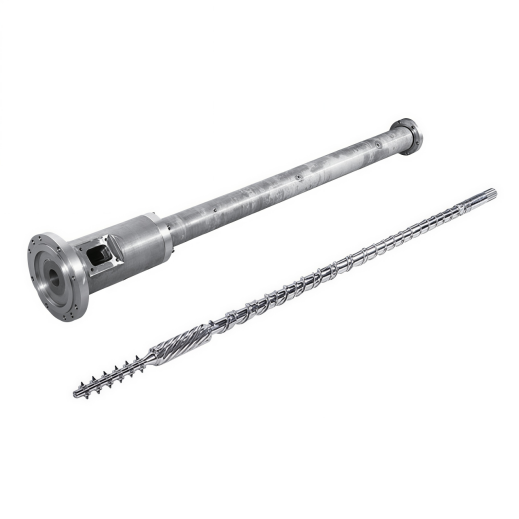
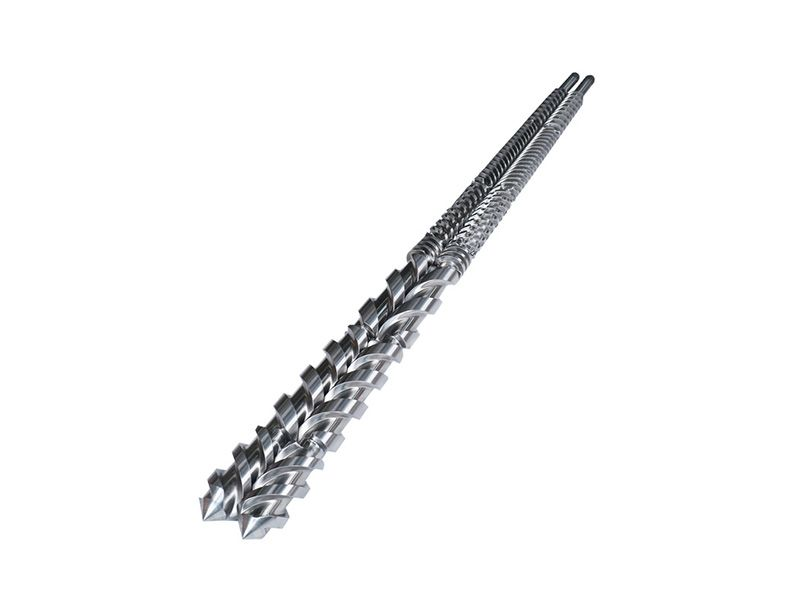
Figure 1. A single extruder screw barrel assembly. The geometry, barrel zones, and connection details must be matched to the installed line.
What Defines a Single Screw Barrel
A single screw barrel is the matched screw and barrel assembly used in a single-screw extruder. The screw profile can include feed, transition, metering, barrier, mixing, venting, or other functional sections. The barrel can include a feed opening, heating and cooling zones, vent ports, sensors, flange interfaces, and a drive-end arrangement. Each detail must be compatible with the existing extruder.
Two assemblies with a similar nominal screw diameter can still differ in total length, L D ratio, feed throat, barrel outside diameter, bore condition, heating layout, drive connection, and die-side interface. These dimensions and features determine whether a part fits and operates correctly.
Match the Design to the Extrusion Application
| Application | Selection focus | Information to confirm |
| PE pipe or profile | Stable output, controlled melting, and pressure delivery. | PE grade, pipe or profile size, output target, pressure, and line speed |
| PP sheet or film | Melt uniformity and consistent delivery to the die. | Grade, melt-flow behavior, product width, gauge requirement, and screen changes |
| PVC extrusion | Controlled plasticization and heat-sensitive processing duty. | Formulation, stabilizer system, temperature profile, output, and visible material condition |
| Recycled material | Feed consistency, contamination risk, and wear review. | Source condition, filter history, fillers, damage pattern, and maintenance interval |
Start With the Installed Extruder
The extruder manufacturer and model, original drawing, screw diameter, total length, L D ratio, feed opening, barrel zones, heating and cooling arrangement, drive-end connection, and die-side interface provide the basis for selection. They identify the working envelope before changes to the screw profile or material are considered.
An original drawing is the most useful record. If it is unavailable, provide verified measurements, a machine nameplate photo, and clear photographs of the old screw and barrel. Include the feed zone, flange, drive end, vent position, and any damaged area. Mark dimensions that are not confirmed instead of assuming an approximate match.
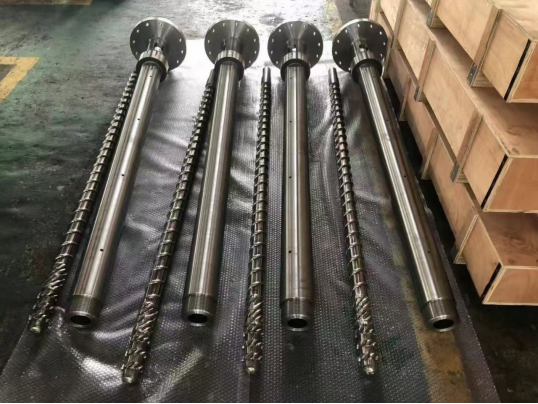
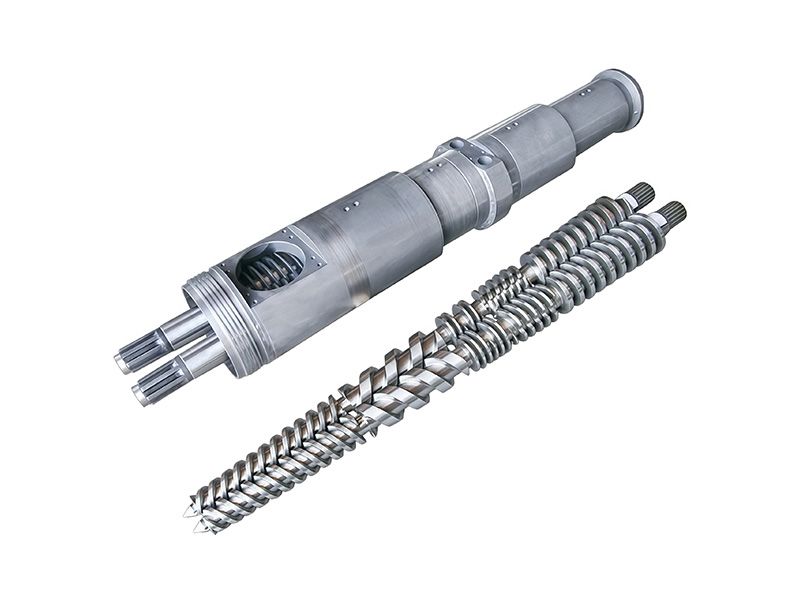
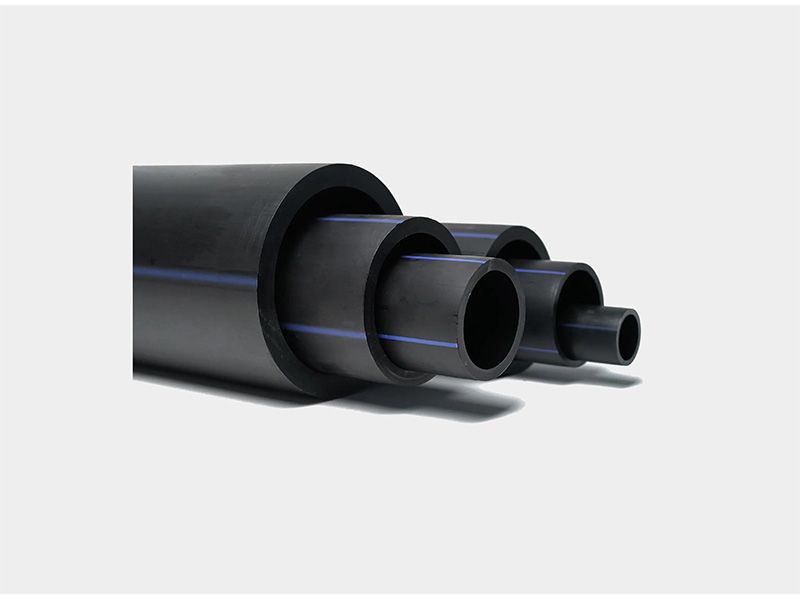
Figure 2. A single screw barrel assembly for pipe extrusion. Feed and flange details should be confirmed before producing a replacement.
Choose Geometry From Process Evidence
The resin name alone does not define a screw profile. The supplier should review the polymer grade, additives, filler level, recycled content, target output, screw speed, melt pressure, temperature profile, product type, and the reason for replacement. Those details help distinguish a part that should be copied from one that requires a different configuration.
· For PE and PP, record the grade, current output, melt pressure, and product requirement before specifying a high-output profile.
· For PVC, record the formulation and actual operating temperatures so the recommendation reflects the heat-sensitive processing window.
· For film or sheet, include screen-change history, melt appearance, gauge variation, and die-related observations.
· For recycled material, show wear, scoring, contamination, or unstable feeding evidence together with the preparation method.
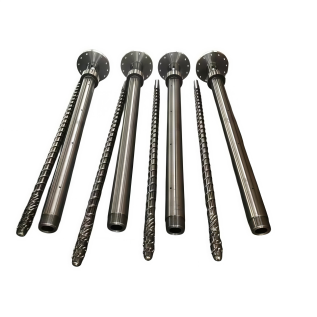
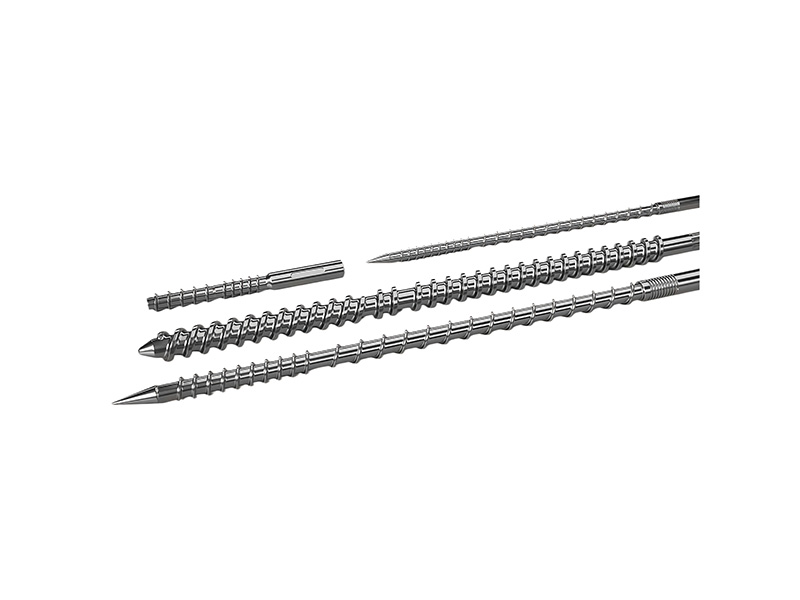
Figure 3. Single screws and barrels prepared for different machine configurations. The final assembly must be verified against the supplied dimensions and application data.
Review Wear on the Screw and Barrel Together
Replacing only one component may not restore the intended working clearance. A new screw with a worn bore or a new barrel with worn flights can retain the same pressure instability, reduced output, or inconsistent melt delivery. Measure the relevant screw flights and barrel bore, then document scoring, corrosion, localized damage, and wear at the feed or drive end.
A material or surface upgrade should respond to a defined wear or corrosion duty. The review should state which component needs protection, which process areas are affected, and what finished dimensions will be checked. A more resistant surface does not compensate for an incorrect fit or an unverified screw profile.
Information to Send for a Single Screw Barrel Quote
· Extruder manufacturer, model, application, and a clear machine nameplate photo
· Original drawing or verified dimensions for screw diameter, total length, barrel zones, and interfaces
· Photos of the feed opening, heating or cooling connections, drive end, die-side flange, and worn areas
· Polymer grade, fillers, additives, recycled content, finished product type, and any material preparation notes
· Current output, screw speed, melt pressure, temperature profile, and daily running hours
· Measurements and photos of screw-flight wear, barrel-bore wear, corrosion, scoring, or other damage
Conclusion
A single screw barrel should be selected from the installed extruder data and the actual processing duty. Machine fit comes first. The polymer, output target, operating record, and wear evidence then guide the screw geometry, barrel construction, and surface solution. A complete inquiry makes the final proposal easier to verify before production.
Related PIPLL Pages
· Single Screw Barrel - For PIPLL single-screw barrel product information.
· High Speed Single Extruder Screw Barrel - For high-output single-screw extrusion applications.
· PE Polyethylene Extrusion - For PE extrusion screw barrel application information.
· Custom Extruder Screws and Barrels - For drawing-based and measurement-based replacement projects.
Technical and Sales Contact
Young | PIPLL | Screw and Barrel Solutions for Plastic Extrusion
Supporting extrusion manufacturers with customized screw and barrel solutions for PVC, PE, PP, PET, and other polymer processing applications.
Email: Young@pipll.com | WhatsApp: +86 150 5840 4692 | Website: www.pipll.com


+86 15267878906

1306 W building , NB-IoT Industrial Park, No. 199 Changxing Road, Jiangbei, Ningbo.
 Languages