High Speed Single Extruder Screw Barrel for HDPE Pipe
A high speed single extruder screw barrel for HDPE pipe is not selected from speed alone. It must match the installed machine, the pipe size range, the resin grade, the die and downstream system, and the evidence behind the requested output. The broader PE polyethylene extrusion process provides the material and product context, while the single screw barrel assembly provides the controlled conveying, melting, pressure development, and delivery path within the extruder.
For pipe producers, useful performance evidence includes a stable output record, melt-pressure trend, wall-thickness measurements, ovality checks, screw-speed range, and documented settings for sizing, cooling, and haul-off. A faster screw is not automatically a higher-output solution if the melt, die, or downstream line cannot support the proposed operating point.
This guide explains what should be confirmed before specifying a high-output HDPE pipe screw barrel, which process data makes a replacement project more reliable, and how to separate a direct replacement from a profile or material review.
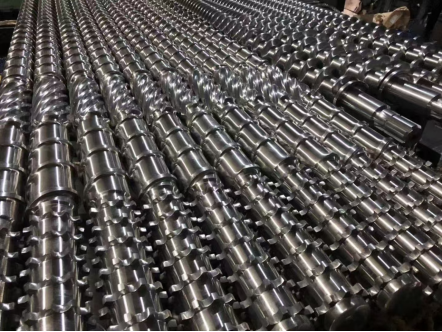
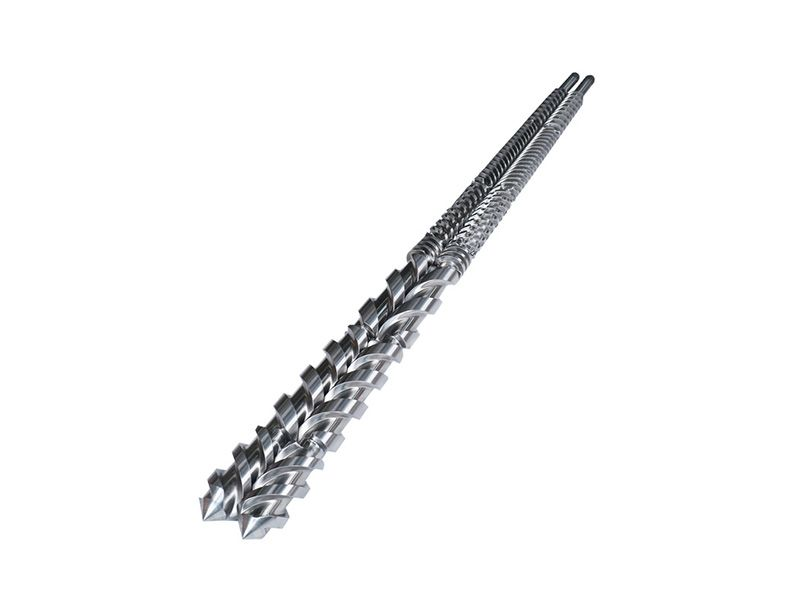
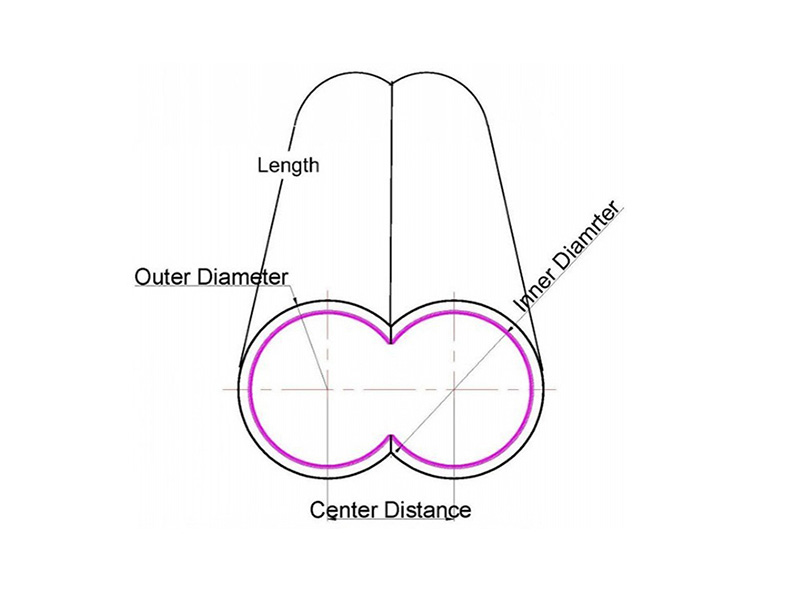
Figure 1. High-speed single extrusion screws. The final profile must be matched to the installed extruder, HDPE grade, pipe dimensions, and production target.
Why HDPE Pipe Duty Needs a System Review
HDPE pipe extrusion joins a material process to a dimensional product requirement. The extruder must deliver a consistent melt to the die, while sizing, cooling, haul-off, and cutting or coiling must hold the pipe dimensions at the required line speed. A change in pipe diameter, wall thickness, color stripe, resin grade, or output target can change the operating balance.
The screw barrel should therefore be reviewed as part of the line. The screw diameter, effective length, L/D ratio, barrel zones, feed opening, drive-end interface, and die connection define machine fit. The resin grade, recycled-content level where applicable, output target, pressure record, and quality criteria define the process duty. Neither group of information should be guessed from a product photograph alone.
Data That Defines a High-Speed HDPE Pipe Project
| Production item | Why it matters | Useful evidence |
| Pipe size and wall target | Changes the required melt delivery and downstream coordination. | Pipe OD, wall-thickness range, SDR or product drawing, and measurement record. |
| HDPE grade and formulation | Influences melt behavior and the appropriate processing window. | Resin data sheet, color or stripe package, recycled content, and material changes. |
| Current operating record | Shows the stable baseline and the actual limitation. | Output, screw speed, melt pressure trend, barrel and die temperatures, and running hours. |
| Machine interfaces and zones | Prevents an assembly that cannot be installed or controlled correctly. | Original drawing, nameplate, verified dimensions, and photos of feed, drive, heating, and cooling areas. |
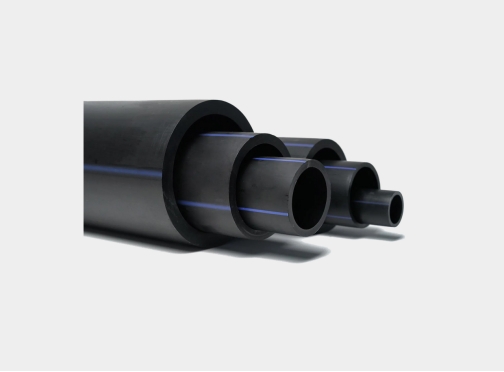
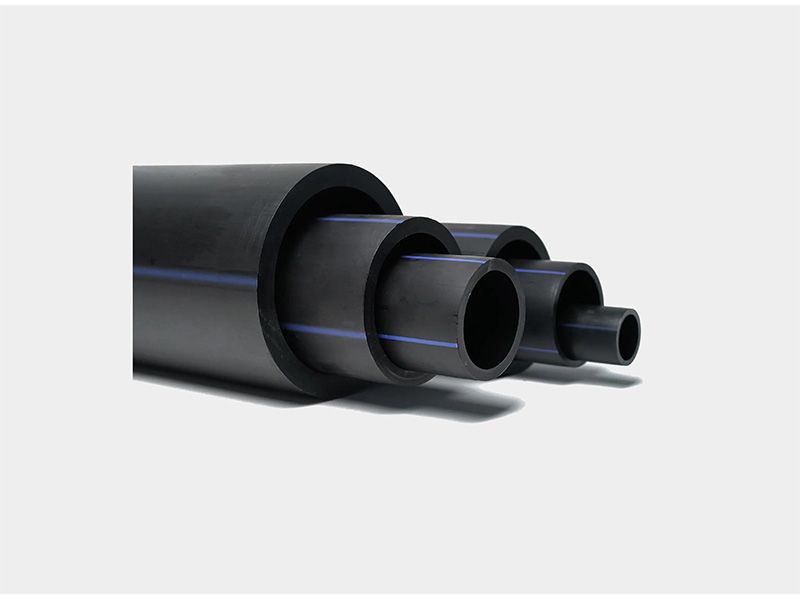
Figure 2. HDPE water-supply pipe examples. Pipe dimensions and the intended application should be part of the extrusion screw barrel inquiry.
What High-Speed Means in a Pipe Extruder
In a practical pipe project, high speed means that the screw barrel system is evaluated for stable throughput across the required operating range, not that one number is increased without limit. Conveying capacity, melting, mixing, pressure development, motor and gearbox capability, die condition, and downstream cooling capacity all need to remain aligned. The useful objective is repeatable pipe quality at the validated line setting.
An HDPE pipe screw design may use a feed section, transition section, metering section, and application-specific mixing or barrier features. The required arrangement depends on the resin and line, so a generic geometry should not be copied into a replacement order. If the current line is stable and the task is only to replace a worn assembly, preserve verified interfaces and document the established operating window. If output or material duty is changing, request a full technical review.
Match the Screw Barrel to the HDPE Pipe Line
The screw and barrel are a matched assembly. A new barrel paired with worn screw flights can retain an oversized working gap; a new screw paired with an unmeasured bore can create the same uncertainty. Review flight condition, barrel-bore condition, local scoring, feed-zone wear, drive-end wear, and the location of any corrosion or damage before deciding which components to replace.
| Observed production concern | First checks | Replacement decision evidence |
| Output or pressure variation | Material consistency, feed condition, screen history, screw-speed trend, and recent setting changes. | Stable versus unstable trend records, current wear measurements, and process notes. |
| Wall-thickness variation or ovality | Die centering, sizing, cooling, haul-off coordination, and melt stability. | Measured pipe profile, line speed, pressure trend, and cooling record. |
| Repeated scoring or short service interval | Flight wear, barrel bore, contaminants, filler level, and operating hours. | Photos, bore and flight measurements, material information, and replacement history. |
| Target output increase | Motor, gearbox, die, cooling, and downstream capacity before changing geometry. | Current output limit, desired target, quality acceptance data, and line-capacity review. |
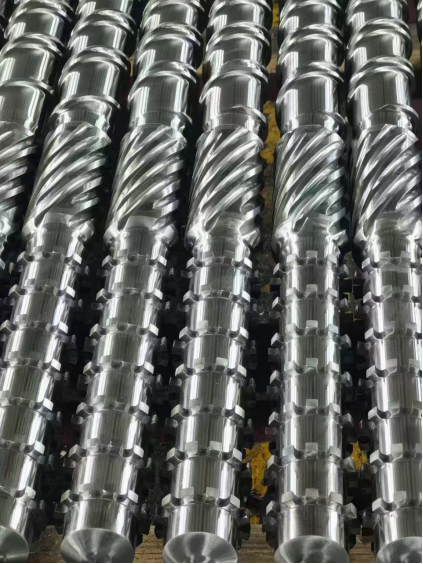
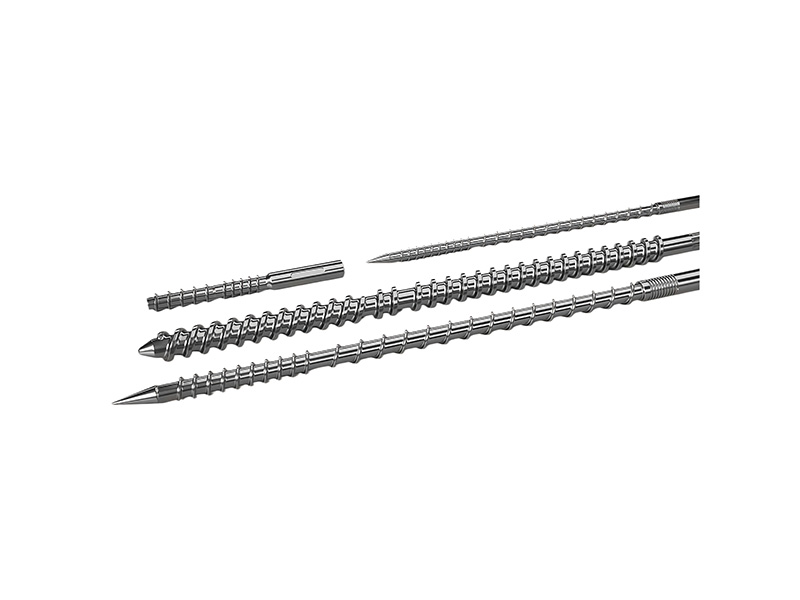
Figure 3. High-speed single screw details. Geometry and surface condition should be assessed with the complete HDPE pipe process record rather than by appearance alone.
A Practical Inquiry Checklist
· Extruder manufacturer and model, nameplate photo, screw diameter, effective length, L/D ratio, and original drawing if available.
· HDPE grade and data sheet, pipe diameter and wall range, color or stripe requirement, and the intended application.
· Current output, screw-speed range, melt-pressure trend, temperature profile, line speed, and daily operating hours.
· Photos and measurements of the existing screw flights, barrel bore, feed opening, heating and cooling zones, die connection, and drive-end interface.
· A clear statement of whether the task is an identical replacement, a wear upgrade, a new material duty, or a validated output increase.
Conclusion
A high speed single extruder screw barrel for HDPE pipe should be selected from the installed machine and the complete pipe-production duty. The strongest replacement or upgrade brief combines the resin data, pipe specification, operating record, quality evidence, and measured component condition. That record gives the supplier a sound basis to distinguish a direct replacement from a revised HDPE pipe screw-barrel proposal.
Related PIPLL Pages
· High Speed Single Extruder Screw Barrel - For PIPLL high-output single-screw extrusion product information.
· PE Polyethylene Extrusion - For PIPLL polyethylene material and extrusion-solution information.
· Custom Extruder Screws and Barrels - For drawing-based and measurement-based HDPE pipe projects.
· PIPLL Manufacturing Process - For machining, treatment, and inspection information.
Technical and Sales Contact
Young | PIPLL | Screw and Barrel Solutions for Plastic Extrusion
Supporting extrusion manufacturers with customized screw and barrel solutions for PVC, PE, PP, PET, and other polymer processing applications.
Email: Young@pipll.com | WhatsApp: +86 150 5840 4692 | Website: www.pipll.com


+86 15267878906

1306 W building , NB-IoT Industrial Park, No. 199 Changxing Road, Jiangbei, Ningbo.
 Languages