Bimetallic Single Screw Barrel Selection Guide
A bimetallic single screw barrel should be selected from the actual wear and corrosion duty, not from a generic hardness claim. The suitable construction must also preserve the machine interfaces and operating behavior of the installed single screw barrel assembly. Where the component geometry, feed system, or operating target is changing, a custom screw and barrel review is required before an alloy upgrade is specified.
The decision becomes clearer when the production team documents the polymer grade, filler or fiber content, recycled content, additives, temperature profile, production hours, wear pattern, and the actual problem being solved. Abrasion, corrosion, heat exposure, and a poor mechanical fit can each create different damage patterns; one label cannot solve every cause.
This guide shows how to review bimetallic protection for a single-screw extrusion line, compare the duty with a nitrided baseline, and prepare a replacement inquiry that gives the supplier usable engineering evidence.
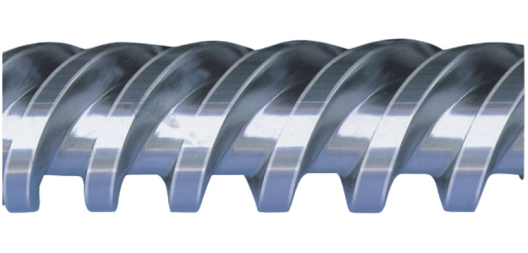
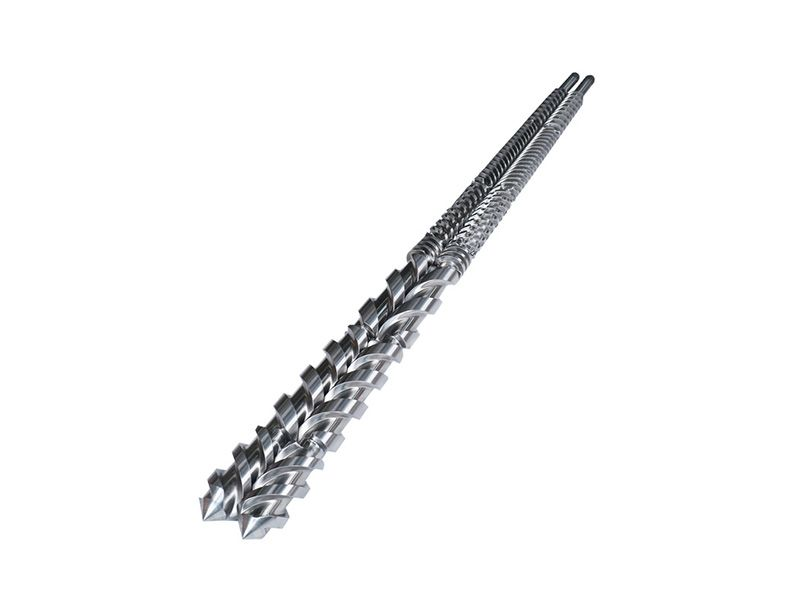
Figure 1. Bimetallic extrusion screw flight detail. The protected surface, base material, geometry, and processing duty must be specified as a matched system.
What a Bimetallic Single Screw Barrel Changes
Bimetallic construction places a wear-resistant alloy at a relevant working surface while the underlying component provides structural support. Depending on the order, the protected area may be the barrel bore, the screw flight surface, or both parts of a matched assembly. The quotation should state exactly which component is protected, the intended construction route, finished dimensions, and inspection points.
The goal is not simply to select a harder component. A useful material system should resist the dominant service condition while allowing the screw barrel to maintain the required clearance, melt delivery, pressure behavior, and surface finish. A bimetallic barrel cannot compensate for an incompatible screw profile, an unmeasured bore, contaminated feedstock, or a process condition outside the validated operating window.
Match Protection to the Actual Processing Duty
| Processing condition | Selection focus | Evidence to send |
| Glass fiber or mineral-filled resin | Abrasion resistance at the barrel bore and screw-flight working surfaces. | Filler type and loading, output, running hours, flight and bore measurements. |
| Recycled resin with contamination risk | Resistance to scoring and irregular wear, plus investigation of feed quality. | Source quality, screen-change history, contaminants, photos of damage locations. |
| Corrosive additives or demanding formulation | Corrosion resistance and stable working-surface condition. | Resin grade, additive system, temperature record, and corrosion observations. |
| Clean general-purpose resin | A justified baseline material or treatment rather than an automatic upgrade. | Material grade, service history, maintenance interval, and product requirement. |
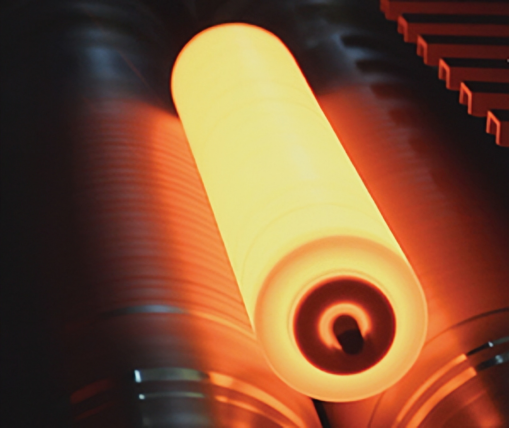
Figure 2. A barrel during an alloy casting stage. The finished bore, alloy construction, dimensions, and inspection criteria must be agreed for the specific order.
Bimetallic Versus Nitrided: Start with the Evidence
A nitrided screw barrel and a bimetallic single screw barrel are not interchangeable descriptions. They may be considered for different protection levels and production duties. The starting point is the observed problem: where has wear occurred, whether it is smooth, scored, localized, corrosive, or related to a process upset, and whether the service interval is acceptable for the line.
If the line has a stable history on clean resin and no repeat wear issue, an alloy upgrade may not be necessary. If abrasive reinforcement, recurring contamination, or a measured short service interval is present, the supplier can assess whether the barrel bore, screw flights, or a matched system needs a different protection strategy. First verify the material and mechanical conditions; then select the protective construction.
The Screw and Barrel Must Be Checked Together
A barrel replacement should not be chosen independently from the screw. A new barrel paired with worn screw flights can retain an excessive working gap; a new screw paired with an unmeasured barrel bore can create the same uncertainty. Review the screw flight condition, barrel bore, feed-zone condition, local damage, heating and cooling areas, and drive-end interfaces as a system.
| Observed sign | First review | Useful action |
| Gradual output decline | Compare the current process record with the last stable production period. | Measure flight and bore condition before assigning the issue to surface material. |
| Scoring or localized damage | Check contaminants, feed condition, screen history, and the exact location of the mark. | Send clear photos, dimensions, and material details for a wear-cause review. |
| Corrosion or pitting | Check formulation, temperatures, moisture or contamination risk, and cleaning history. | Document the exposure conditions before choosing a corrosion-oriented solution. |
| Repeated short replacement interval | Review material duty, daily hours, and the prior replacement specification. | Compare lifecycle evidence with the cost and downtime effect of a different construction. |
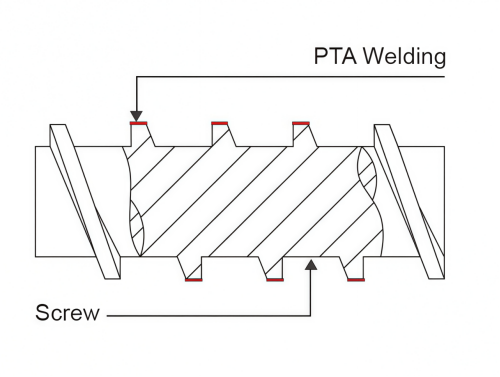
Figure 3. An illustrative screw surface-treatment diagram. Treatment area, finished geometry, and inspection standard should be confirmed before production.
Information to Send for a Bimetallic Single Screw Barrel Quote
· Extruder make, model, and a clear nameplate photo, plus the original screw and barrel drawing where available.
· Verified screw diameter, effective length, L/D ratio, barrel zones, feed opening, die connection, and drive-end details.
· Polymer grade, filler or fiber type and percentage, recycled content, additives, finished product, and normal operating hours.
· Current output, screw speed, pressure trend, temperature profile, and a description of the production issue or desired service interval.
· Photos and measurements of flight wear, barrel-bore wear, corrosion, scoring, or other localized damage.
· A clear statement of whether the order is a direct replacement, a wear upgrade, or a geometry change for a different duty.
Conclusion
A bimetallic single screw barrel is a material and surface-engineering choice for a defined extrusion duty. It is most useful when the wear, corrosion, or service-life evidence supports stronger protection and the proposed assembly remains correctly matched to the installed machine. A complete material, process, wear, and dimension record helps the supplier specify the right construction instead of treating bimetallic as an automatic upgrade.
Related PIPLL Pages
· Bimetallic Screw Barrel - For PIPLL alloy-lined and wear-resistant screw barrel systems.
· Bimetallic or Nitrided Screw Barrel - For a related comparison when selecting a protection level.
· Custom Extruder Screws and Barrels - For drawing-based and measurement-based replacement projects.
· PIPLL Manufacturing Process - For machining, treatment, and inspection information.
Technical and Sales Contact
Young | PIPLL | Screw and Barrel Solutions for Plastic Extrusion
Supporting extrusion manufacturers with customized screw and barrel solutions for PVC, PE, PP, PET, and other polymer processing applications.
Email: Young@pipll.com | WhatsApp: +86 150 5840 4692 | Website: www.pipll.com


+86 15267878906

1306 W building , NB-IoT Industrial Park, No. 199 Changxing Road, Jiangbei, Ningbo.
 Languages