 Languages
Why Use Side Feeding in Twin Screw Extrusion
Why Use Side Feeding in Twin Screw Extrusion
Why Use Side Feeding in Twin Screw Extrusion
In compounding, masterbatch production, and engineering plastic modification, not every ingredient should enter through the main hopper.
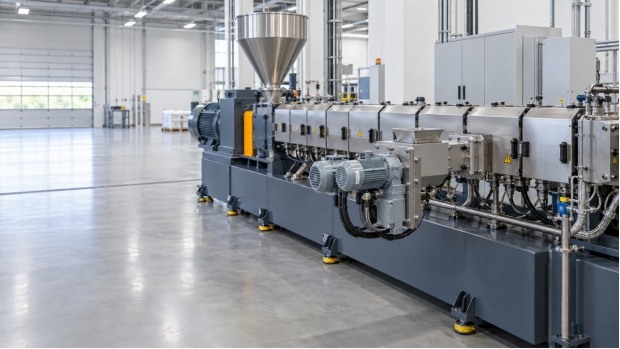
A side feeder adds material through a barrel opening farther down the extruder, after the base polymer has started to melt and homogenize. It is commonly used with a co-rotating parallel twin-screw barrel when processors need to introduce glass fiber, mineral filler, flame retardants, or sensitive additives with better control.
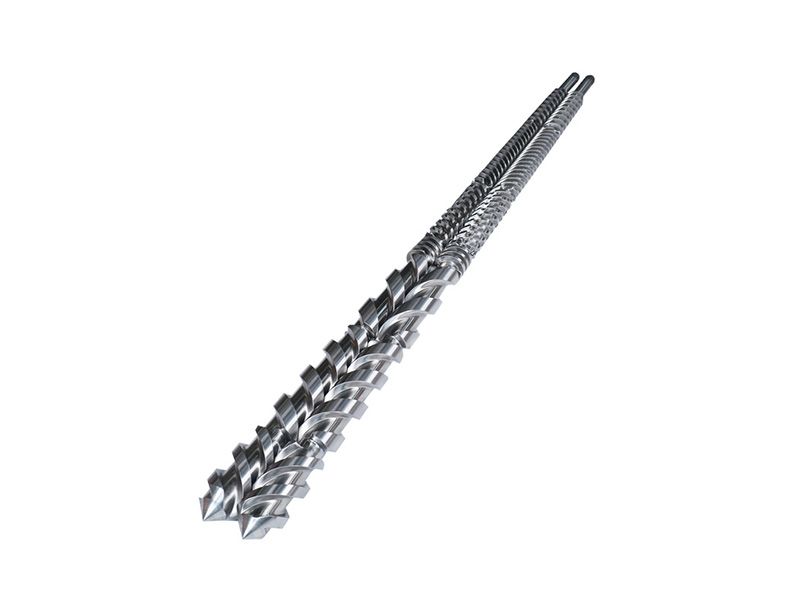
For a parallel twin screw and barrel for extruder, side feeding is not simply adding material later. It is a process decision that can protect fiber length, improve feeding stability, shorten the heat history of sensitive ingredients, and reduce unnecessary wear on upstream screw elements.
At PIPLL, we design and manufacture screw and barrel solutions for extrusion plants that need a practical balance between mixing quality, throughput, wear resistance, and service life.
What Is Side Feeding in a Twin Screw Extruder
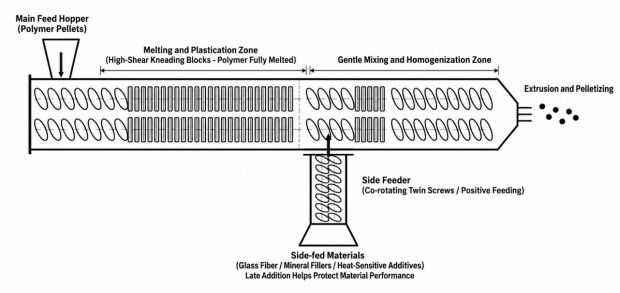
A side feeder is usually a small twin-screw metering unit mounted on the side of the main extruder barrel. Instead of dropping all ingredients into the main feeding port, the main resin enters first and is melted by the upstream screw configuration. The side feeder then introduces a second material into the partially or fully molten polymer stream.
Figure 1. Main feeding and side feeding in co-rotating twin-screw extrusion.
This layout is widely used in a parallel twin screw barrel for masterbatch compounding and engineering plastic modification. The main extruder handles melting and initial plastication. The side feeder delivers material that should not experience the full upstream shear history.
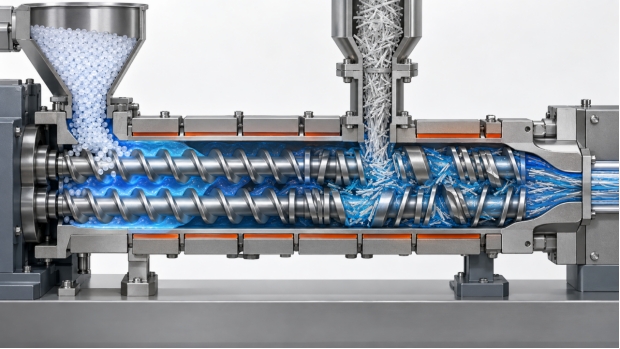
Typical side-fed materials include:· Glass fiber and carbon fiber· Talc, calcium carbonate, silica, and other mineral fillers· Flame retardants· Heat-sensitive additives· Low-bulk-density powders· Selected pigments, functional additives, and recycled material componentsWhy Not Put Everything Into the Main HopperThe main feeding port is exposed to the longest residence time and usually the strongest melting and mixing sections. That is suitable for the base resin, but it is not always suitable for every formulation component.For example, a compounder may need high melting efficiency for PA, PP, PBT, or TPU. However, the same high-shear screw elements that melt the polymer effectively may shorten glass fiber, overheat a sensitive additive, or accelerate wear when abrasive mineral filler is added too early. This is why side feeding is important in a co-rotating parallel twin screw barrel system.Side Feeding Helps Protect Glass Fiber LengthGlass-fiber-reinforced compounds are one of the most common applications for side feeding. If glass fiber enters from the main hopper, it travels through the early melting and high-shear zones together with the raw polymer. Excessive shear can reduce fiber length, which may reduce the reinforcement effect in the finished part.With side feeding, the polymer matrix is melted first. Glass fiber is then introduced downstream and dispersed through a controlled screw configuration with enough mixing for wetting and distribution, but without unnecessary shear.The goal is not zero shear. Glass fiber still needs to be wetted and dispersed. The goal is to use the right shear level and the right residence time. For processors using a parallel twin screw barrel for masterbatch compounding or reinforced engineering plastics, this can support more stable mechanical performance and a more consistent final product.Figure 2. Glass fiber introduced through a side feeder after the base polymer is melted.
Side Feeding Improves Handling of Low Bulk Density Powders
Fine powders can be difficult to feed through a main hopper. Talc, calcium carbonate, carbon black, magnesium hydroxide, aluminum hydroxide, and similar materials may bridge, float, or feed unevenly because of their low bulk density.A side feeder uses positive conveying screws to push the powder into the main extruder. This gives the processor more control over the feed rate. In a well-designed parallel twin screw and barrel for extruder, the side-feed position, barrel opening, screw configuration, venting arrangement, and melt pressure must work together.A side feeder does not automatically solve every powder-feeding issue. However, it gives the process engineer a better tool for dosing difficult materials into the melt. This is particularly valuable for high-filled compounds and filler masterbatch production, where unstable dosing can cause density variation, poor dispersion, surface defects, or output fluctuations.Side Feeding Can Reduce the Heat History of Sensitive AdditivesSome additives do not tolerate long exposure to heat and shear. Depending on the formulation, this may include selected flame retardants, blowing agents, reactive additives, red phosphorus systems, or heat-sensitive modifiers.Feeding these materials later in the process can reduce the time they spend inside the extruder. The additive still needs enough mixing to disperse properly, but it avoids the full upstream melting section. The downstream section therefore needs controlled distributive mixing, not excessive shear.PIPLL can support customers with custom screw element and barrel configurations based on resin type, additive package, throughput target, wear condition, and the actual position of the side feeder.Side Feeding Can Reduce Upstream Abrasive WearMineral fillers are often abrasive. When hard fillers pass through the full length of an extruder, they can increase wear on screw elements and barrel surfaces, especially in high-shear zones.Adding abrasive material through a side feeder reduces the distance it travels through the main extruder. This does not eliminate wear. The side-feed zone and downstream mixing sections still require suitable material selection and wear protection. However, it can reduce avoidable wear in the upstream melting zone.This is where a bimetallic parallel twin screw barrel can be considered. The correct barrel solution depends on filler type, filler loading, screw speed, throughput, polymer, and expected operating hours. A bimetallic solution is usually more relevant for abrasive or corrosive conditions than for low-wear formulations.How Side Feeding Affects Screw and Barrel DesignSide feeding should be considered when selecting or replacing a parallel twin-screw barrel. The side-feed opening is not an isolated component. It affects the complete process layout.Barrel Material and Wear ResistanceHigh mineral loading, reinforced plastics, and corrosive formulations may require more wear-resistant barrel materials. A bimetallic extruder screw manufacturer should evaluate the actual formulation instead of recommending the same material for every application.Screw Element ConfigurationThe upstream section must melt the base polymer reliably before side feeding. The downstream section must disperse the added material without creating unnecessary shear, excessive pressure, or poor fiber retention.Side Feed Port DesignThe opening must allow stable material entry and avoid unwanted backflow. It should be matched to the screw configuration, fill level, pressure profile, and side feeder capacity.Venting and DegassingSome side-fed formulas need a venting section to remove moisture, air, or volatiles. The vent position must be selected carefully to avoid powder carryover or melt leakage.Replacement CompatibilityWhen replacing worn parts, processors should provide the barrel drawing, screw drawings or samples, machine brand, screw diameter, center distance, L D ratio, resin, output, and side-feeding position. This helps a custom extruder screw manufacturer evaluate compatibility before production.Parallel Twin Screw Barrel and Conical Twin Screw BarrelThe question of parallel vs conical twin screw barrel depends on the application. A parallel twin-screw barrel is widely used in compounding, masterbatch, reinforced engineering plastics, reactive extrusion, and high-output mixing. It is especially suitable for applications that need flexible screw configuration and multiple process zones, including side feeding and venting.A conical twin-screw barrel is commonly used in PVC profile, pipe, and related applications where material compression and processing characteristics differ. For side feeding of glass fiber, fillers, and additives in compounding, the co-rotating parallel twin-screw platform is generally the more common choice.How to Choose a Parallel Twin Screw Barrel ManufacturerWhen selecting a parallel twin screw barrel manufacturer, do not compare only the unit price. A replacement screw and barrel must fit the real process.Ask the supplier:· Can you review our material and filler loading?· Can you manufacture according to the original drawing or sample?· What barrel material is recommended for our wear and corrosion conditions?· Can you support side-feed barrel sections and matching screw elements?· How do you control dimensions, hardness, and assembly compatibility?PIPLL works as a custom extruder screw manufacturer and OEM extruder screw barrel supplier for plastic extrusion applications. Our team can review worn components, machine data, material conditions, and production requirements before recommending a replacement solution.Frequently Asked QuestionsIs side feeding necessary for every twin screw extruderNo. Simple formulations may run effectively with main feeding only. Side feeding is most useful when a material is sensitive to shear, difficult to feed, heat-sensitive, abrasive, low density, or better added after the base polymer is melted.Does side feeding always require a bimetallic parallel twin screw barrelNo. A bimetallic parallel twin screw barrel is selected according to wear and corrosion risk, not simply because a side feeder is installed. High filler loading, glass fiber, mineral powder, and corrosive additives are important factors to evaluate.Can PIPLL manufacture a complete parallel twin screw and barrel for extruderYes. PIPLL supplies custom screw and barrel solutions, including parallel twin-screw barrel sections, screw elements, and wear-resistant options for compounding, masterbatch, PVC, PE, PP, and engineering plastic extrusion.What information does PIPLL need for a replacement quotationPlease provide machine brand and model, screw diameter, L D ratio, center distance, original drawing or sample, material being processed, output, screw speed, side-feeding location, and photos of worn parts. This allows PIPLL to recommend a more suitable screw and barrel solution.ConclusionSide feeding gives compounders a more controlled way to add materials that are fragile, difficult to feed, heat-sensitive, abrasive, or needed only after the base polymer is melted.For glass-fiber compounds, high-filled masterbatch, flame-retardant formulations, and engineering plastics, the right side-feeding strategy can improve process control while helping manage wear and product consistency.If your line uses a co-rotating parallel twin-screw barrel and you are planning to replace worn screw elements or barrel sections, contact PIPLL with your machine details and material information. We can help assess the side-feed zone, wear condition, and suitable replacement configuration.