 Languages
How Screw Design Helps Prevent Yellowing and Black Specks in Transparent Rigid PVC Pelletizing
How Screw Design Helps Prevent Yellowing and Black Specks in Transparent Rigid PVC Pelletizing
- Why Transparent Rigid PVC Needs a Different Screw Design ConversationTransparent rigid PVC leaves very little room for process variation. A small amount of overheating, local material retention or excessive mechanical shear may be invisible in an opaque compound. In a transparent rigid PVC pellet, however, it can quickly appear as yellowing, brown streaks, black specks or reduced clarity.For this reason, when a processor says, "We changed the screw and the transparent PVC started turning yellow or black," the first question should not be only about the barrel temperature setting. The more useful question is: Does the complete screw design match the material, output target and residence-time requirement of this PVC formulation?At PIPLL, we see that a single screw barrel for PVC is not simply a metal component with a standard shape. It is a process-control component. The correct single screw and barrel for plastic extruder application must deliver stable melting and mixing without creating unnecessary shear, overheating or stagnant material zones.This article explains how screw design can help reduce the risk of yellowing and black specks in transparent rigid PVC pelletizing.
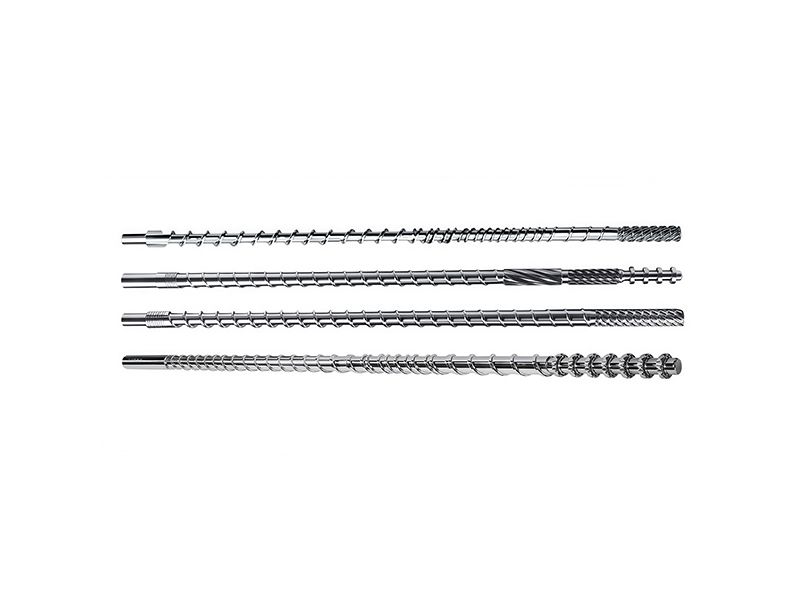
Featured image. Illustrative image of transparent rigid PVC pelletizing; it is not a photograph of a specific PIPLL or customer facility.
- Why Transparent Rigid PVC Is Especially SensitivePVC is thermally sensitive. It needs enough heat and mechanical energy to plasticize and homogenize, but its heat history must stay under control. Once degradation begins, transparent material shows it early: a light yellow tint can become brown streaks, black specks, odor or loss of clarity.The final appearance is influenced by more than the heater settings. A transparent PVC extrusion process can be affected by:· Friction and shear generated by the screw profile· Compression ratio and the length of the transition zone· Screw channel depth and the change from feed to metering· L/D ratio and total residence time· Mixing intensity and flow continuity· Screw-to-barrel clearance and wear condition· Surface finish, corrosion or scoring inside the screw barrel· Material cleanliness, formulation and stabilizer package· Start-up, shutdown, purging and material-change practiceA well-designed single extruder screw barrel manages these factors as one system. That is why PIPLL evaluates the resin, formulation and real operating conditions before defining a custom single screw barrel.
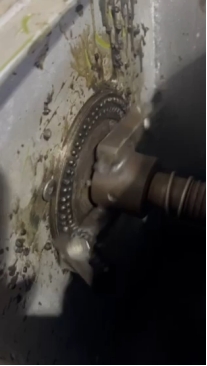
Figure 1. Process image supplied by a processor. Visible degraded residue near the extrusion flow path illustrates why retained material must be investigated when transparent PVC develops black specks or discoloration.
- 1. Choose a PVC Appropriate Compression RatioIn transparent rigid PVC pelletizing, an overly aggressive compression ratio can compact material too quickly. This may raise internal pressure, friction and shear, creating localized melt-temperature peaks that do not appear clearly on the temperature controller.The goal is not maximum compression. The goal is controlled plasticization. A suitable single screw barrel L/D ratio design and compression profile should provide enough melting and consolidation without overstressing the material.If the compression ratio is too low, melting and output stability may suffer. If it is too high, transparent PVC may experience excessive shear and a higher risk of yellowing. PIPLL reviews the compression ratio together with resin grade, stabilizer package, filler level, target output and actual temperature profile. A custom single screw barrel supplier should not select a PVC screw by diameter alone.
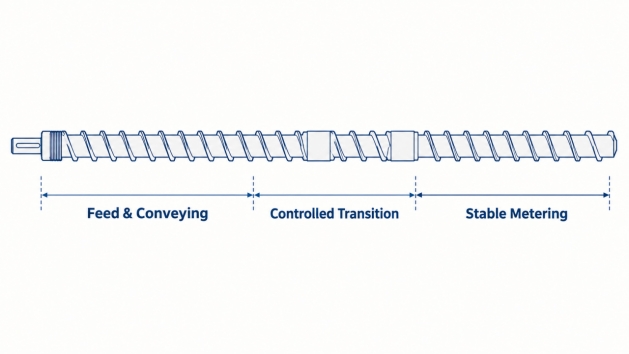
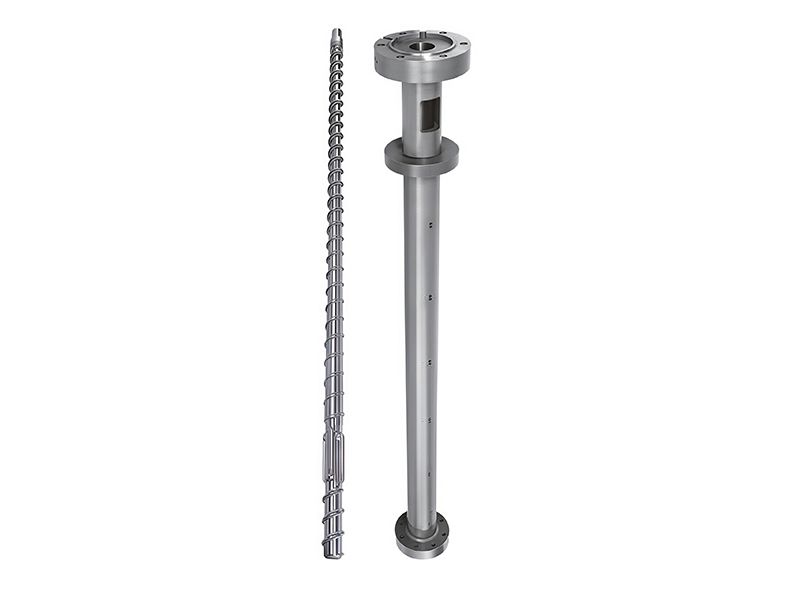
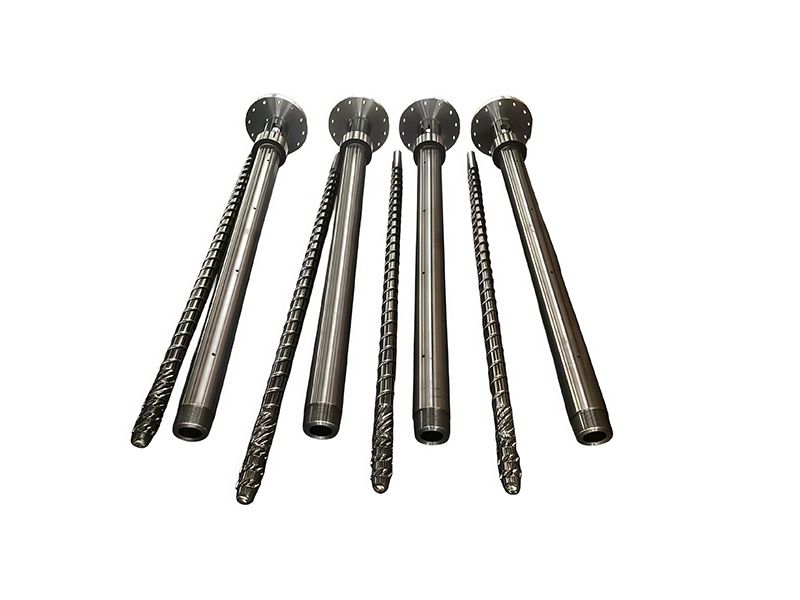
Figure 2. Public-safe PIPLL screw concept for transparent rigid PVC pelletizing with recycled material. Final geometry is confirmed from the formulation, regrind ratio, target output and machine data.
- 2. Manage Residence Time Instead of Simply Making the Screw LongerA longer screw does not automatically improve PVC processing. More length can improve melting and homogenization when the process needs it, but it can also increase the material's thermal and mechanical history. For transparent PVC, that extra exposure can raise the chance of color change.Before specifying a new screw, review the actual process rather than relying on a standard drawing:· Is the current L/D ratio appropriate for the PVC pelletizing process?· Does the material have enough effective melting length?· Is the metering section longer than the formulation requires?· Are there low-flow areas where material can accumulate?· Is actual output far below the screw's intended throughput range?For an extruder screw manufacturer, the right answer is a balanced geometry: enough process length for stable melting, but not unnecessary residence time that increases degradation risk.3. Use Smooth Channel Transitions to Control Local ShearAbrupt changes in channel depth or geometry can create sharp local shear. In a transparent PVC compound, these localized conditions can be more damaging than the average barrel-zone temperature suggests.The transition from feed section to compression section and then to metering section should support a stable melt path. Mixing is important, but more mixing is not always better. The design needs a practical balance between dispersion, melt uniformity and thermal safety.A screw profile that worked for an opaque or more heavily filled PVC compound may not be appropriate for a transparent rigid PVC formulation. PIPLL supplies single screw barrels for PVC with the process requirement, not a generic profile, as the starting point.
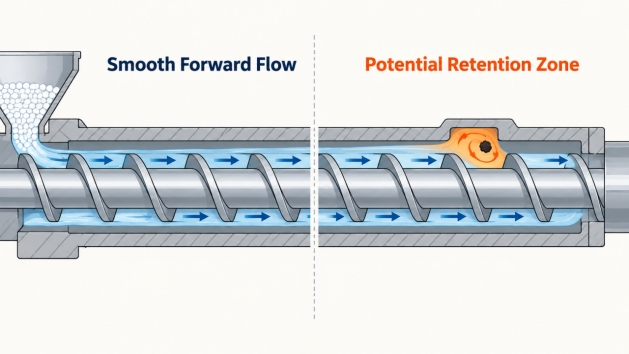
- 4. Eliminate Dead Zones That Create Black SpecksBlack specks are not always caused by a single high-temperature zone. They can also come from material that stays too long in a low-flow area, then degrades and releases later into the melt stream.Potential retention risks include:· Unfavorable screw geometry or abrupt transitions· Worn screw-barrel clearance· Poorly matched screw tip, adaptor or screen arrangement· Running low output on a screw intended for much higher throughput· Residual material left after shutdown or material changePIPLL focuses on flow continuity when reviewing a replacement single screw barrel. The aim is to move material forward smoothly, reduce retention and make cleaning more predictable between production runs.
Figure 3. Smooth forward flow helps reduce material retention. A localized retention zone can expose material to a longer heat history and may contribute to black specks.
- 5. Check Screw Barrel Clearance and Wear Before Blaming the TemperatureA screw may be dimensionally correct on paper yet perform poorly after wear, corrosion or surface damage. Excessive clearance can change conveying behavior, reduce pressure stability and create uneven melt history. Damaged surfaces can also retain degraded material.Before a replacement is defined, PIPLL recommends checking:· Actual screw outside diameter and barrel inside diameter· Measured screw-to-barrel clearance· Surface damage, corrosion, scoring or deposits· Flight condition and root wear· Material history, including fillers, regrind and contamination riskA nitrided screw barrel or bimetallic single screw barrel may be appropriate for specific abrasion or corrosion conditions, but premium material selection is not an automatic cure for a poor process match. The screw and barrel system must be designed together.6. Temperature Settings Must Support the Screw DesignScrew design cannot compensate for poor temperature control, but temperature settings cannot always compensate for a poorly matched screw. The target is stable melt behavior, not simply reaching a setpoint on the barrel surface.If frictional shear is too high, lowering the external heater setting may not remove the real cause. If the material is not melting evenly, raising every zone temperature may increase degradation instead of solving it. Review the screw profile, actual melt temperature and production rate together.
- Quick Diagnostic Table for Yellowing and Black Specks
Observed issue Screw or barrel item to review Other process item to check Early yellowing Compression ratio, shear level, L/D Actual melt temperature, stabilizer package Random black specks Retention zones, wear, surface condition Shutdown cleaning, contamination, screen area Unstable output Metering geometry, clearance, feed section Feeding consistency, temperature control Poor clarity Mixing balance, material history Raw material quality, moisture, contamination Frequent color carryover Screw and barrel surface and flow continuity Purging and changeover practice - 7. What Information Helps a Screw Barrel Supplier Design the Right PVC ScrewA useful technical discussion starts with more than screw diameter. When asking PIPLL or another extruder screw barrel manufacturer to review transparent PVC pelletizing, prepare the following information:· PVC type and transparency requirement· Stabilizer package, additives, filler level and regrind percentage· Extruder diameter, current L/D ratio and current compression ratio· Target output and actual output· Barrel-zone settings and measured melt temperature, if available· Pelletizing method and downstream process conditions· Description and photos of yellowing, black specks or other defects· Operating history of the existing screw and barrelClear technical input is more valuable than choosing a so-called standard PVC screw. It allows a custom extruder screw manufacturer to assess whether the issue is geometry, wear, operating conditions or a combination of factors.When to Consider a New Single Screw BarrelNot every color problem requires a new screw. First confirm the formulation, material handling, temperature control, cleaning practice and contamination risk. However, a screw-barrel review is justified when yellowing or black specks start after a screw change, when the same formulation has become less stable, when output drops, or when wear and surface damage are visible.PIPLL manufactures customized single screw barrels and plastic extruder screw barrel solutions for PVC extrusion applications. The objective is not to sell a generic replacement. It is to identify a screw and barrel configuration that supports stable output, controlled melt history and consistent transparent pellet quality.ConclusionIn transparent rigid PVC pelletizing, yellowing and black specks are often early warnings that the material's heat or residence-time history is no longer under control. Compression ratio, channel transition, L/D ratio, mixing intensity, flow continuity and screw-barrel condition all matter.The right single screw barrel for plastic extruder operation is not selected by diameter alone. It should match the PVC formulation, target output and quality requirement. With a process-matched screw design, processors can reduce unnecessary shear, avoid retention zones and protect the clarity that makes transparent rigid PVC valuable.If you are reviewing an existing PVC screw and barrel, PIPLL can provide a technical review based on the machine details, current screw drawing and material information. Visit https://www.pipll.com/single-screw-barrel/ to learn more about PIPLL single screw barrel solutions.Technical and Sales ContactHarry Jiang | PIPLL | Screw and Barrel Solutions for Plastic ExtrusionSupporting extrusion manufacturers with customized screw and barrel solutions for PVC, PE, PP, PET, and other polymer processing applications.Email: Harry@pipll.com | WhatsApp: +86 182 6854 1152 | Website: www.pipll.com