 Languages
PLA Polylactic Acid Extrusion: Screw Design, Drying and Thermal Degradation Control
-
PLA Polylactic Acid Extrusion: Screw Design, Drying and Thermal Degradation Control
PLA fails in two directions at once. Too much moisture chain-scissions the melt before it reaches the die; too much heat discolours it and drops the viscosity. The screw sits between those two limits, and its geometry decides how much frictional heat enters the polymer. This guide sets out the moisture and temperature numbers that actually apply, how L/D and compression ratio are chosen for filament, sheet and tube, and how to read the defects that come back from a screw that shears too hard.
-
1. What PLA Extrusion Actually Is
Polylactic acid is an aliphatic polyester made from renewable feedstock. It is processed on conventional extrusion equipment, which is why it looks like an easy material to move onto an existing line — and why so many first PLA projects go wrong. The chemistry is the reason. PLA belongs to the polyester family, alongside PET , not to the polyolefins, and a polyester behaves differently in a barrel in one decisive respect: it hydrolyses.
PLA extrusion covers three product families: 3D printing filament , sheet and film , and pipe and tube . All three sit on the same single screw conveying, melting, mixing and metering sequence.
-
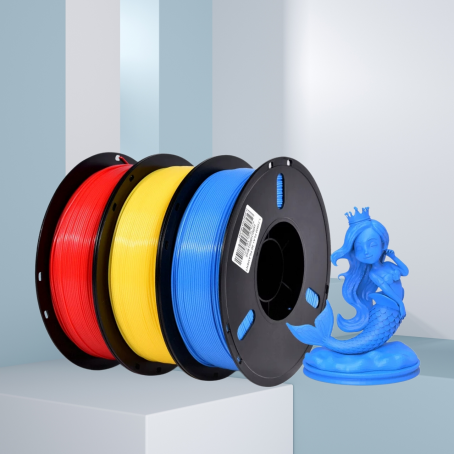
PLA filament for 3D printing. Filament is the tightest-tolerance PLA extrusion product — diameter and ovality are decided by melt stability inside the screw long before they are decided by the winder.
-
2. Two Failure Modes That Fight Each Other
Hydrolysis — water plus heat breaks the ester backbone. The chain scission reduces molecular weight and intrinsic viscosity.
Thermal degradation — above roughly 200 °C the same backbone reacts through ester exchange and cis-elimination, producing lactide, acetaldehyde and other volatiles.
-
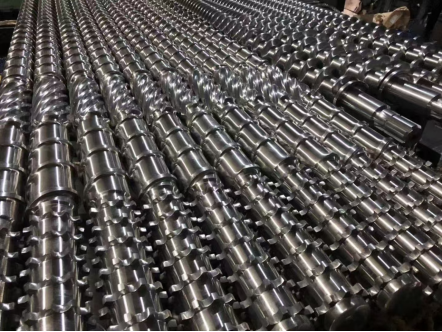
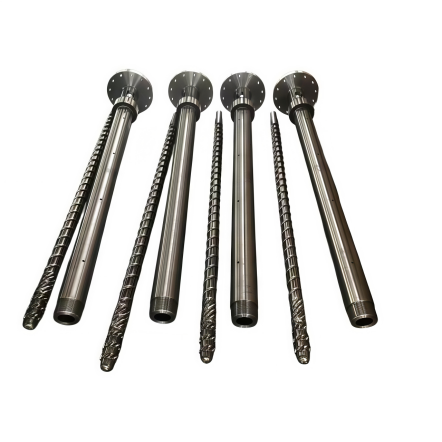
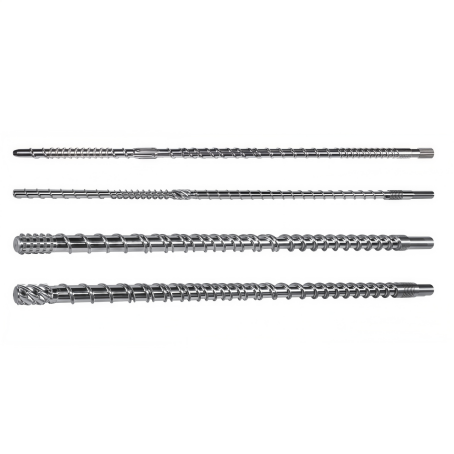
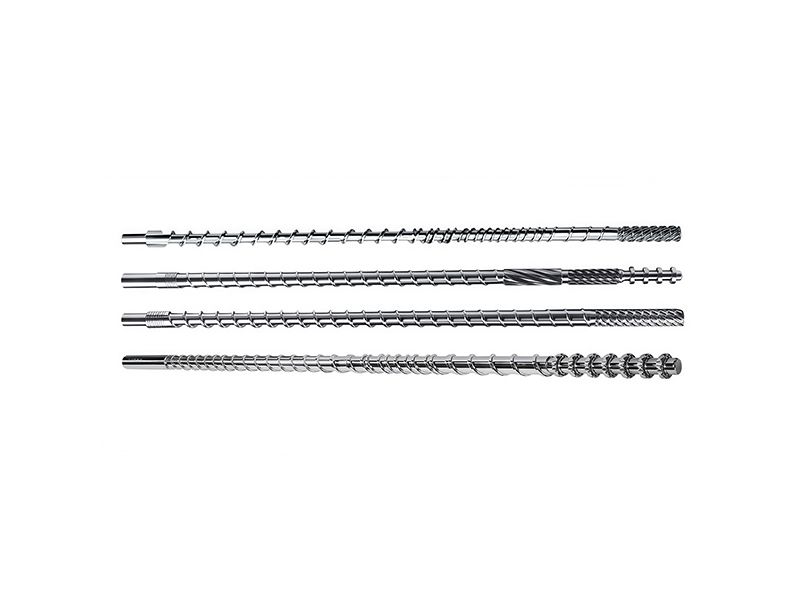
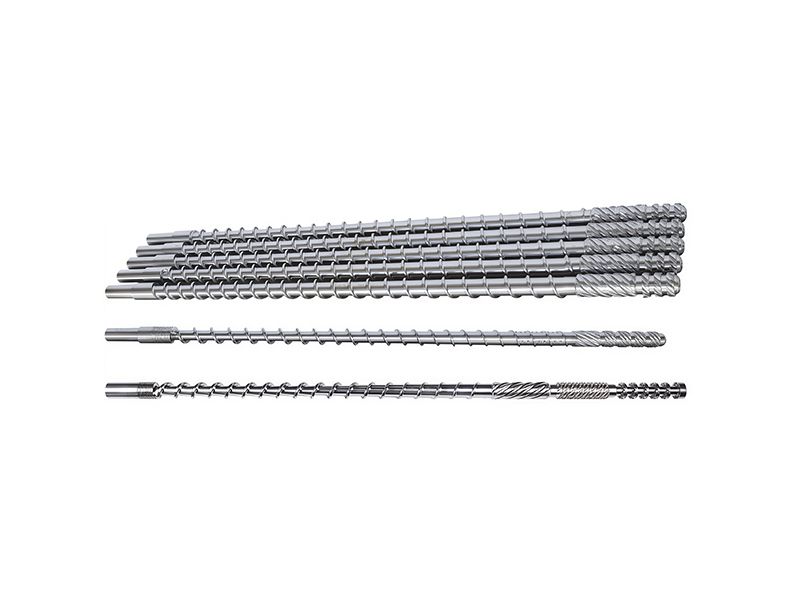
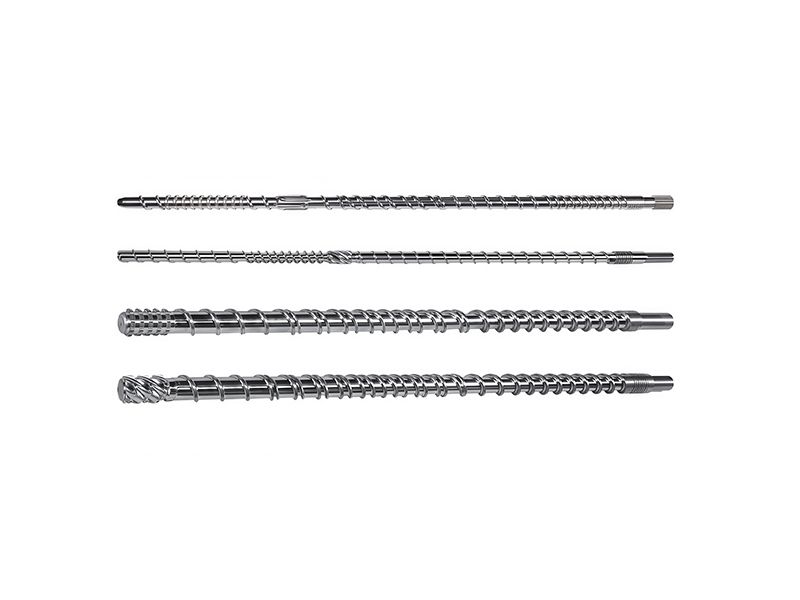
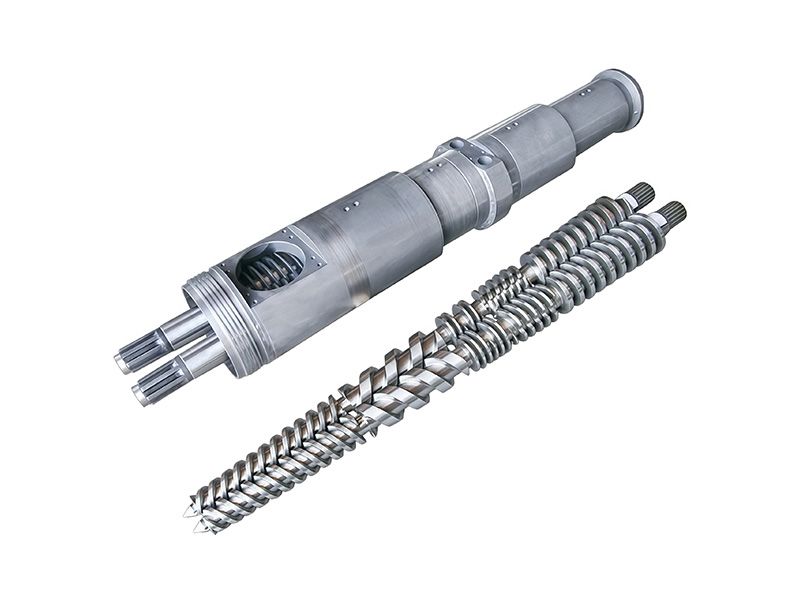
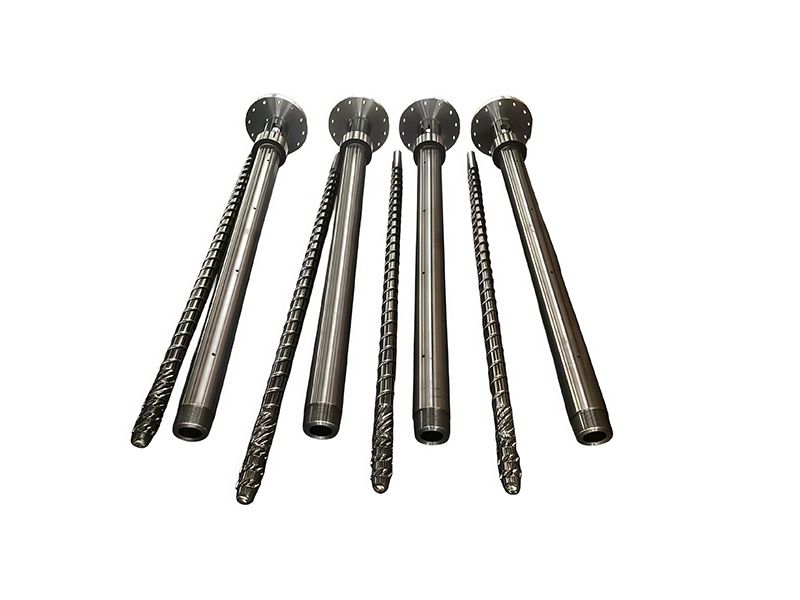
A sheet-extrusion screw and barrel set. For PLA the geometry is deliberately kept gentle: lower compression, a gradual transition and distributive rather than high-shear mixing.
-
3. Drying: The Number That Decides Everything
PLA is hygroscopic. Moisture content above about 250 ppm (0.025 %) is enough for hydrolysis to compete with melting.
Drying parameter Typical PLA value Why it matters Target moisture < 250 ppm (0.025 %) Above this, hydrolysis runs during melting Drying temperature 80–100 °C Above ~110 °C the pellet surface pre-crystallises Drying time 3–4 h (up to 5 h for high-IV grades) Short cycles leave the core wet Dew point ≤ −40 °C Warm air re-wets the resin 4. Screw Design: L/D, Compression Ratio and the Shear Budget
Design element Typical PLA practice Reason L/D, general purpose 24:1 – 30:1 PLA processes on general-purpose screws L/D, sheet and film 30:1 – 33:1 Longer screw allows a more gradual melt Compression ratio 2:1 – 3:1 Every step up in compression is more frictional heat Mixing section Barrier type with Maddock or pinned element Distributive mixing without a hard shear peak -
PLA sheet and film. Clarity and thermoformability depend on how fast the web is quenched — cool PLA slowly and it crystallises into a hazy, brittle sheet.
-
5. The Temperature Profile
PLA’s usable melt window sits roughly between 180 °C and 220 °C. Measure the melt with a needle probe at the head rather than trusting a thermocouple in a heater band.
6. PLA 3D Printing Filament
Filament is where a small process instability becomes a customer complaint. Diameter 1.75 ± 0.05 mm or 2.85 ± 0.05 mm, ovality ≤ 0.03 mm.
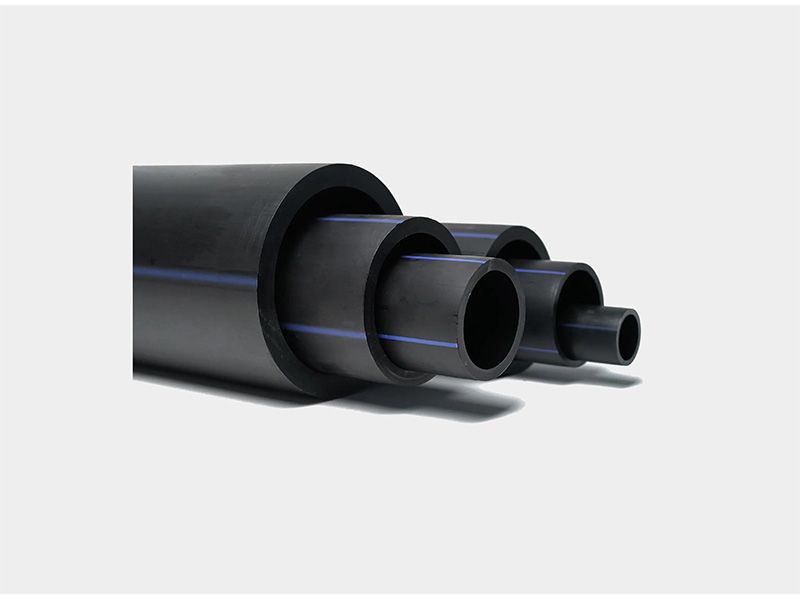
7. PLA Sheet, Film and Tube
Sheet is where PLA’s crystallisation behaviour becomes the dominant process problem. Cool it fast and you lock the polymer in the amorphous state that gives clarity and toughness.
-
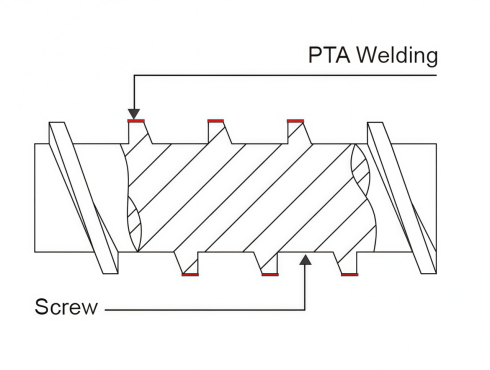
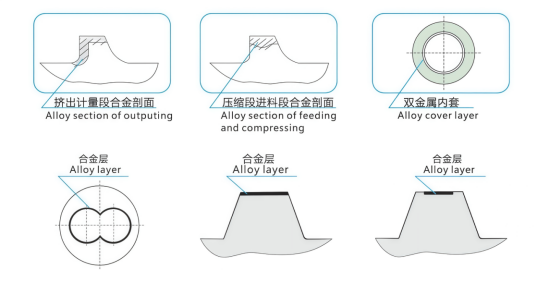
A centrifugally cast bimetallic alloy layer. PLA’s first attack on the hardware is thermal rather than abrasive, so this is a second-order decision — until the compound carries mineral fillers.
-
8. The Defects and What They Usually Are
Symptom Usual root cause Check first Yellowing, brown streaks Thermal degradation from shear or residence time Compression ratio, screw speed, melt temperature Brittle sheet, poor thermoforming Hydrolysis — molecular weight already lost Dryer dew point, measured moisture Gels, unmelted particles Cold melt or weak distributive mixing Temperature profile, mixing section Diameter drift on filament Surging — feeding or metering instability Feed consistency, screw flight wear 9. Screw and Barrel Construction for PLA Duty
PLA’s primary attack on the hardware is thermal, not abrasive, so the starting point is a sound nitrided screw and barrel. When the compound carries mineral fillers or recycled content, a bimetallic working surface starts to pay for itself.
10. What to Send Before You Ask for a PLA Screw and Barrel
· PLA grade and datasheet, D-isomer content, intrinsic viscosity or MFI
· Dryer type, dew point, residence time and measured moisture
· Product dimensions (filament diameter, sheet gauge, tube OD/wall)
· Machine make/model, current L/D and compression ratio, drive power
· Photos and measurements of existing screw flights and bore
Conclusion
PLA is not a polyolefin. Treat drying as process-critical, keep compression gentle, and measure melt temperature rather than trusting heater-band readings. PIPLL manufactures matched single screw and barrel sets for PLA filament, sheet, film and tube in Φ20–500 mm.
Related PIPLL Pages
-
Technical and Sales Contact
Eric Dong | Co-founder | PIPLL | Screw and Barrel Solutions for Plastic Extrusion
Email: eric@pipll.com | WhatsApp: +86-15267878906 | Website: www.pipll.com