 Languages
Parallel Twin Screw Barrel PVC Guide
How to Choose a Parallel Twin Screw Barrel for PVC Extrusion
Configuration, Material Selection, and Replacement Checklist
A parallel twin screw barrel is a core processing component in many PVC extrusion lines. It must work with the matching twin screws to convey, plasticize, mix, and deliver the material under stable temperature and pressure conditions.
For rigid PVC, filled PVC, sheet, pipe, profile, and other extrusion applications, the correct barrel configuration depends on far more than the overall length or screw diameter. Machine design, screw geometry, material formulation, production target, and wear condition all matter.
This guide explains what to check when selecting or replacing a parallel twin screw barrel for PVC extrusion.
GET A FREE QUOTE NOW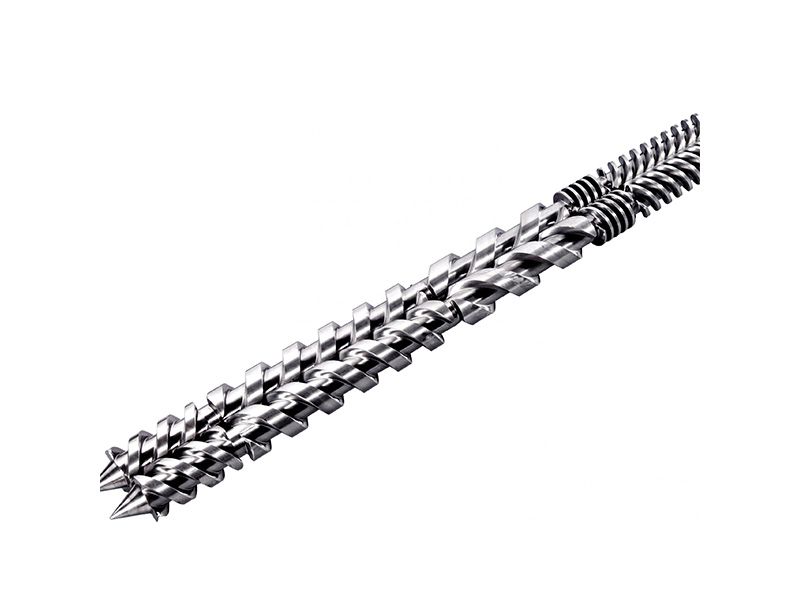
What Is a Parallel Twin Screw Barrel?
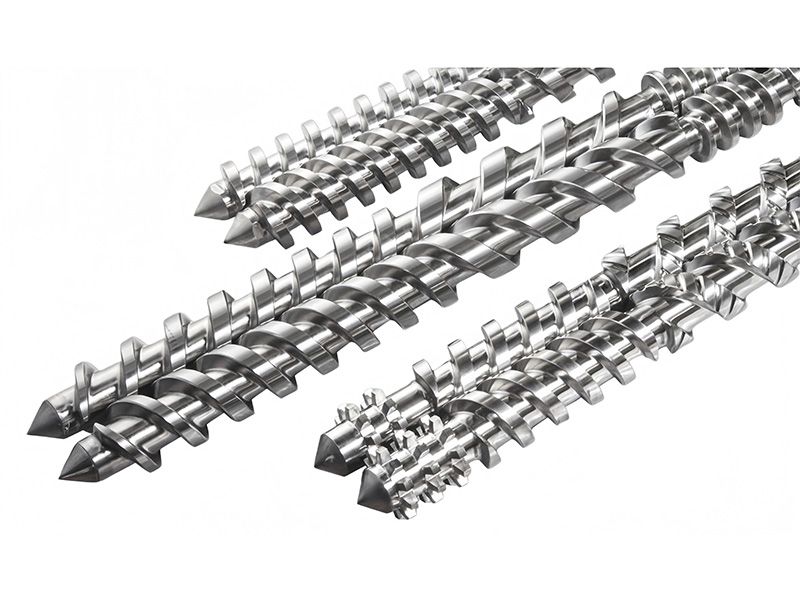
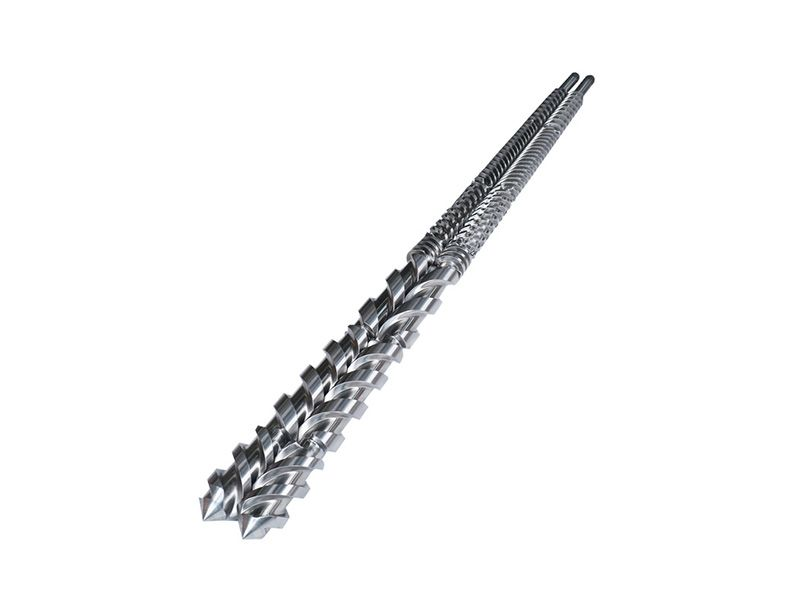
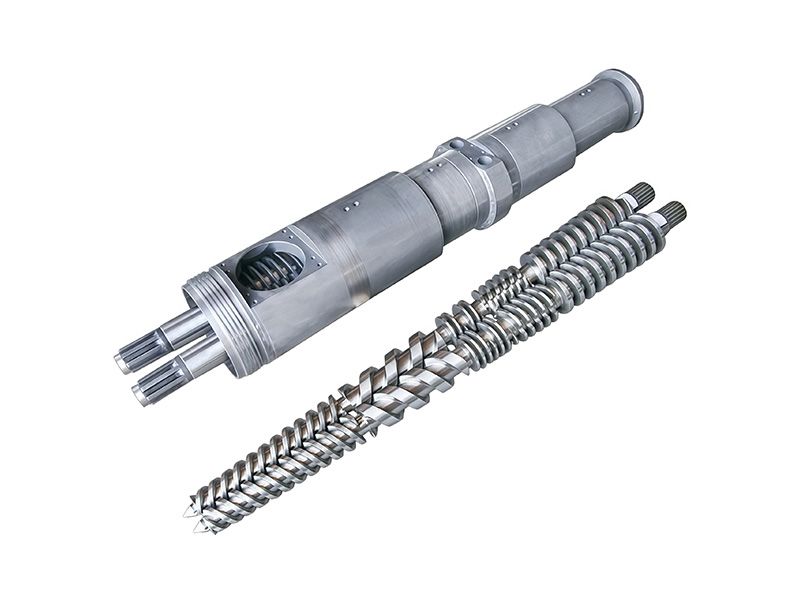
A parallel twin screw barrel is designed for two parallel screws that operate together inside two closely matched barrel bores. Depending on the extruder design, the screws may be counter‑rotating or co‑rotating, and their geometry is developed for the intended material and processing task.
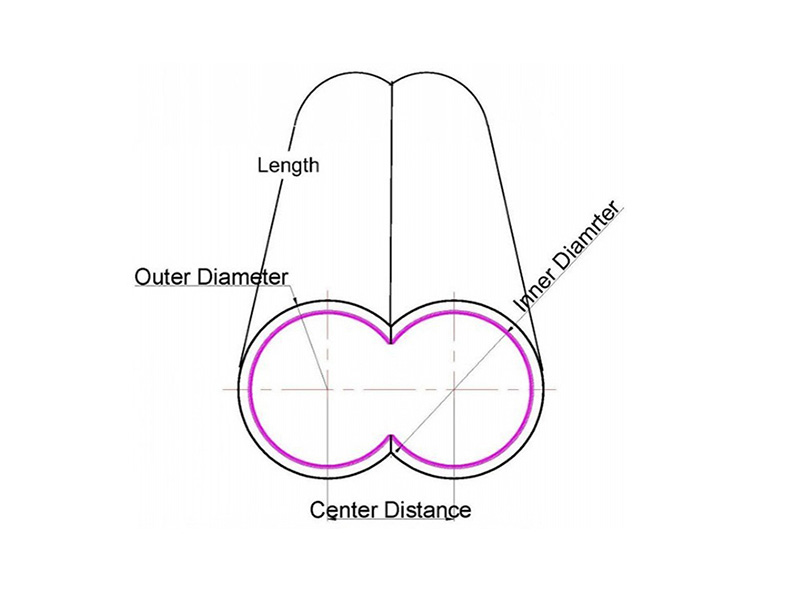
In PVC extrusion, parallel counter‑rotating twin screw systems are commonly used in many production lines. The screws and barrel act as a matched set. Their center distance, screw profile, clearance, barrel bore, heating and cooling design, and connection details must align with the original machine specification.
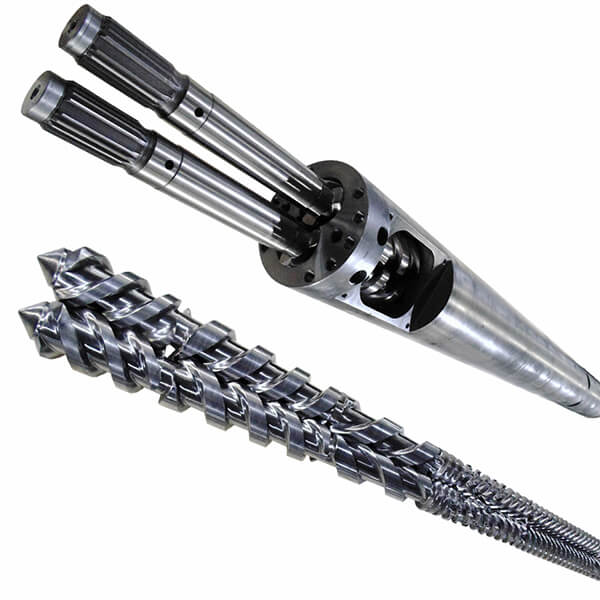
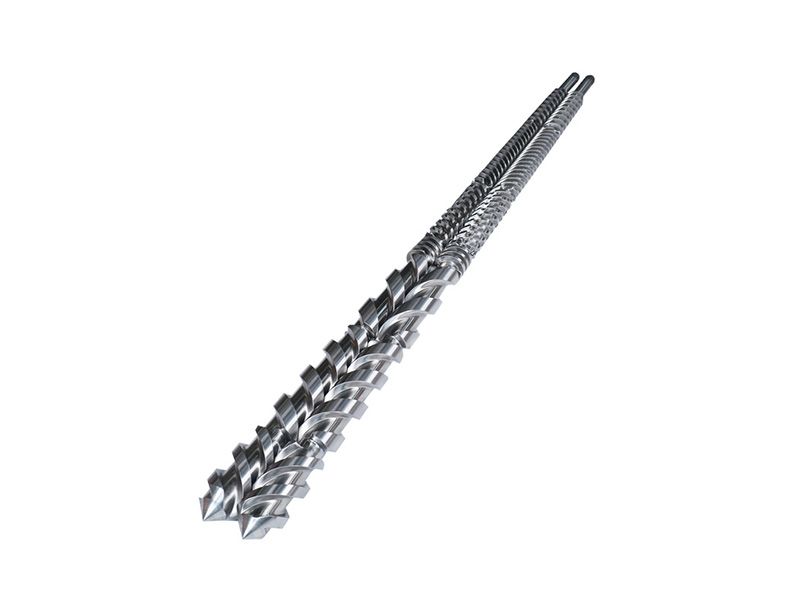
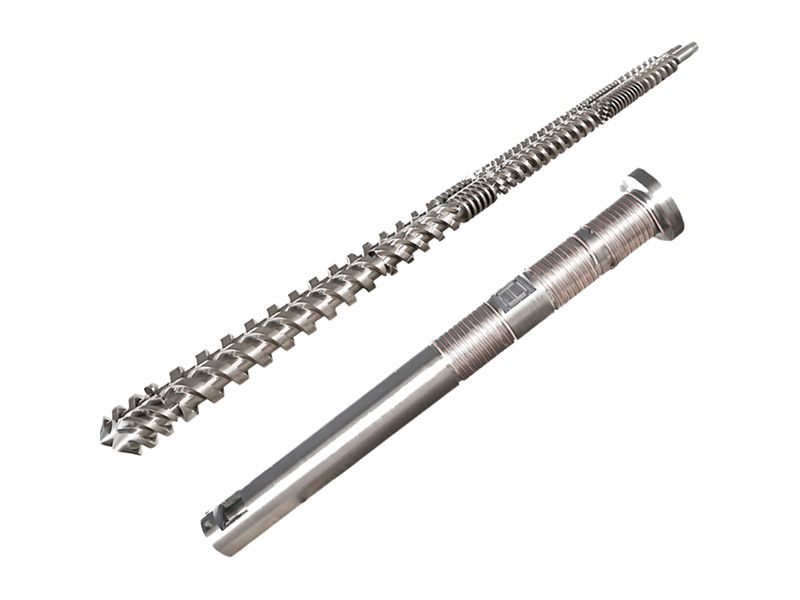
Figure 1. A parallel twin screw and barrel assembly used in plastic extrusion applications.Parallel Twin Screw Barrel vs. Conical Twin Screw Barrel
Parallel and conical twin screw systems are both used in PVC processing, but they are different machine configurations. A replacement part must match the installed extruder type rather than being selected only by application name.
Feature Parallel Twin Screw Barrel Conical Twin Screw Barrel Screw arrangement Two screws remain parallel along the processing length. Screws and barrel bores have a conical geometry. Replacement focus Center distance, bore geometry, L/D ratio, and matching screw design. Conical dimensions, large/small diameters, center distance, and matching screw pair. Application decision Used where the extruder model is designed for a parallel twin system. Used where the installed extruder is designed for a conical twin system. Important rule Do not substitute for a conical system without a machine redesign. Do not substitute for a parallel system without a machine redesign. The best choice is not a matter of which system is universally better. It is about matching the replacement barrel to the existing machine and the production requirement.
Why PVC Processing Requires Correct Screw Barrel Matching
PVC is sensitive to processing temperature and shear. The material must be conveyed, plasticized, mixed, and delivered to the die without excessive heat generation or unstable residence time.
When the screw and barrel configuration does not match the material or machine, manufacturers may experience:
- · Unstable output
- · Uneven plasticization
- · Excessive melt temperature
- · Melt‑pressure fluctuation
- · Surface defects or dimensional variation
- · Material degradation
- · Accelerated screw and barrel wear
Key Factors When Choosing a Parallel Twin Screw Barrel
1. Extruder Model and Original Drawing
The extruder manufacturer and model are the starting point. When available, the original screw and barrel drawing is the best source for confirming critical dimensions and connection details.
- · Screw diameter and total length
- · L/D ratio
- · Center distance between the two screws
- · Barrel bore dimensions and geometry
- · Feed opening position and size
- · Heating and cooling layout
- · Gearbox and end‑connection details
2. PVC Formulation and Filler Content
PVC compounds may contain stabilizers, lubricants, processing aids, pigments, impact modifiers, calcium carbonate, and other additives. These ingredients influence flow behavior, plasticization, abrasion, and potential corrosion.
Highly filled PVC can create more abrasive wear on both screw flights and barrel bores. The filler percentage and material description should therefore be part of the replacement inquiry.
3. Production Output and Operating Conditions
A screw barrel must support the required output without forcing the line to run outside a stable operating window. Useful operating data includes current output, screw‑speed range, melt pressure, temperature setting, continuous production hours, and the specific performance issue being observed.
4. Wear‑Resistance Requirements
For moderate PVC formulations, a nitrided screw barrel may provide suitable performance. Where abrasive filler content, continuous operation, or repeated wear is a problem, a bimetallic barrel and wear‑resistant screw treatment may be considered.
The selected solution should reflect the actual wear condition. A harder material is not automatically the best answer if the machine, screw design, and production material are not considered together.
Signs That a Parallel Twin Screw Barrel Should Be Inspected
- · Gradual reduction in output
- · Higher screw speed required for the same output
- · Unstable melt pressure
- · Poorer plasticization or mixing consistency
- · Increasing product variation
- · Visible wear, scratching, or corrosion
- · Repeated need for screw or barrel repair
These symptoms do not prove that the screw barrel is the only cause. Material feeding, temperature control, dies, downstream equipment, and operator settings should also be checked. However, screw and barrel wear should be part of the troubleshooting process.
What Should Be Checked Before Replacement?
Before ordering a parallel twin screw barrel, measure and document the current components whenever possible. A full technical review may include:
- · Outer diameter and condition of each screw flight
- · Inner bore measurement at multiple barrel positions
- · Clearance between screw and barrel
- · Condition of the feed zone and high‑pressure areas
- · Screw tip, spline, or coupling condition
- · Barrel heating and cooling connections
- · Photos of worn components and machine nameplate information
Wear is not always uniform. Measuring several locations can help identify whether the issue is general wear, localized abrasion, corrosion, or damage related to feeding and material flow.
Information to Send for a Parallel Twin Screw Barrel Quote
- · Extruder manufacturer, model, and application
- · Original screw and barrel drawing
- · Screw diameter, total length, and L/D ratio
- · Center distance and key connection dimensions
- · PVC formulation and approximate filler percentage
- · Current output and screw‑speed range
- · Existing screw and barrel material
- · Photos, measurements, and the current production problem
If a complete drawing is unavailable, an old screw or barrel sample, detailed photos, and key measurements may still support an initial technical evaluation.
PIPLL Parallel Twin Screw Barrel Solutions
PIPLL supplies customized parallel twin screw and barrel solutions for plastic extrusion applications. Replacement components can be evaluated according to machine design, PVC formulation, output requirement, and wear condition.
For demanding PVC applications, the material and surface solution can also be considered together with the screw geometry so that the replacement is better matched to the real production environment.
Conclusion
Selecting a parallel twin screw barrel requires more than matching basic machine size. The correct configuration depends on extruder model, matching screw pair, PVC formulation, filler content, output target, and actual wear condition.
The more complete the drawing and operating information, the more accurately a replacement component can be designed for stable PVC extrusion performance.