 Languages
How Are Screw Barrels Made?
How Are Screw Barrels Made?
A Complete Guide to Screw Barrel Manufacturing and Quality Control
From material selection to final inspection — what really determines the life, accuracy, and performance of an injection molding or extrusion screw barrel.
GET A FREE QUOTE NOW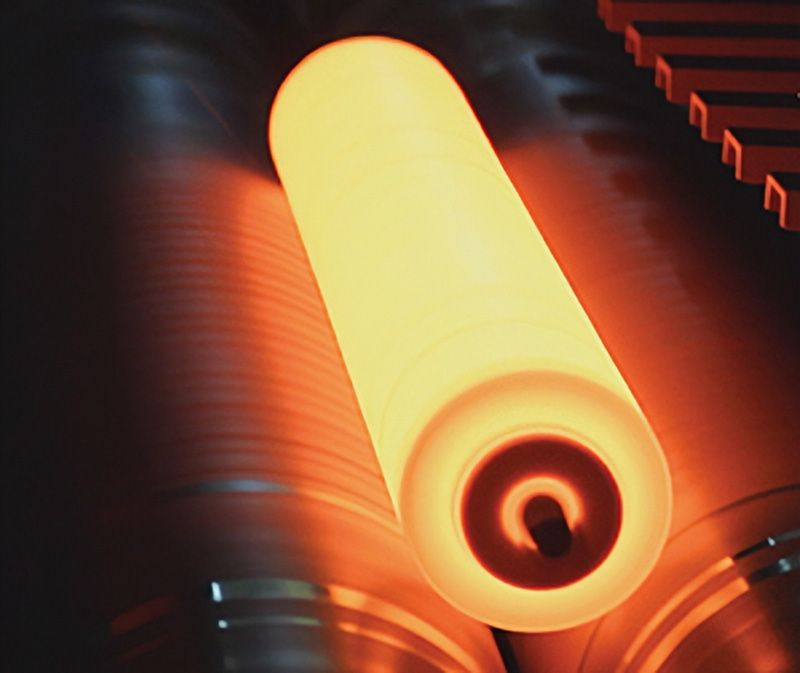
Key Takeaways
Two screw barrels with the same diameter, L/D, and compression ratio can still differ several-fold in service life. The difference is made in manufacturing: material, heat treatment, machining accuracy, surface hardening, and quality control.
Material should be matched to the resin and filler, not to the price list. Nitrided steel , bimetallic centrifugal cast, PM HSS, nickel alloy, and tungsten carbide each solve a different problem.
Every manufacturing stage has one measurable output that must be verified before shipment — forging density, nitriding depth, bore roundness, and screw–barrel clearance.
Buyers should evaluate a supplier against a written quality checklist, not against appearance.
1. Why Manufacturing Quality Matters
A screw barrel operates under high temperature, high pressure, continuous friction, with the same diameter, L/D, and compression ratio can still differ several-fold in service life.The difference is made in manufacturing: material heat treatment, machining accuracy, surface hardening, and.
A high quality screw barrel is not a simple piece of machined steel—it is a precision component produced through a controlled chain of stages, each with a measurable output.That’s why reliable twin screw barrel manufacturers publish their process flow, their inspection reports, and their material certificates together. The ones that hide this information tend to be the ones whose pricing only works until warranty claims arrive.
For any compounder or extruder, the manufacturing quality of the twin screw barrel is the single biggest controllable factor in uptime. — and the second-biggest lever in total cost of ownership over service life.(The first is material selection, covered in section 2.)Choosing among screw barrel exporters — whether from China, India, Turkey, or Europe — comes down to who can show, not just claim, the QC chain.
*PIPLL perspective.* As custom screw barrel exporters and one of the top exporters of screw barrels serving 30+ countries, PIPLL knows that manufacturing quality is something the customer should be able to audit, not just take on faith.That’s why PIPLL’s QC documentation travels with every shipment, including material certs, hardness logs, bimetallic layer bond tests, and a clearance report.
2. Material Selection: The First Quality Gate
Material selection is the foundation of screw barrel life. The wrong material can fail even with excellent machining. Use the tables below to match the application to the material.
2.1 Common Screw Materials
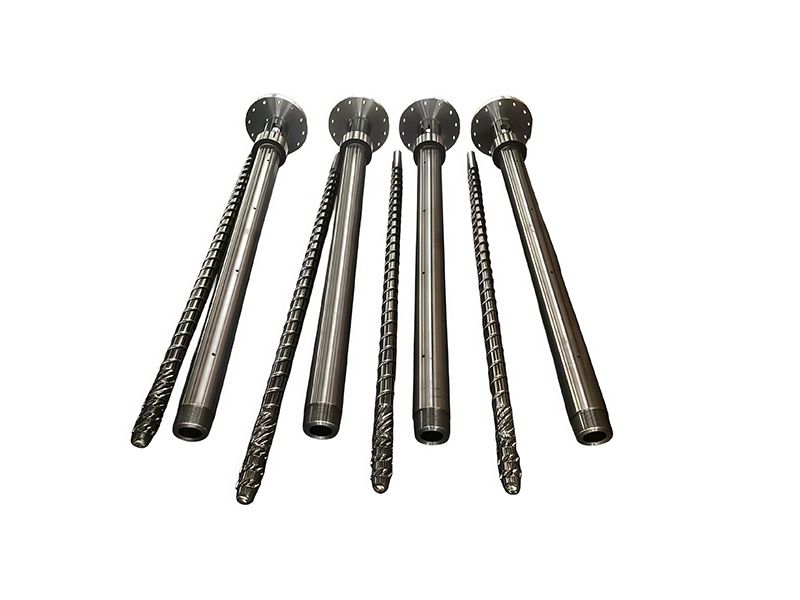
Common screw materials include nitriding steel (38CrMoAlA, SACM645) for general-purpose screws, through hard work die steel (SKD61 / H13) and D2 / Cr12MoV tool steel for abrasion resistance, up to PM HSS, and carbide-tipped options for the most abrasive twin screw barrel.
2.2 Common Barrel Materials
Barrel blanks are usually hot-forged or nitrided alloy steel tubes for standard duty, to forged billets bored and honed for high-pressure service, to bimetallic centrifugal cast liners — the preferred bimetallic screw barrel choice for glass- and mineral-filled resins.
2.3 Matching Material to Application
Material / process Suitable for Advantages Limitations Nitrided steel PP, PE, PS, ABS, unfilled general plastics Moderate cost, good surface hardness Limited resistance to high glass fiber content and strong corrosion Bimetallic centrifugal cast Glass-filled, mineral-filled resins Thick wear-resistant layer, long service life Higher cost Powder metallurgy high-speed steel High filler content, high wear Excellent wear resistance Expensive, can be brittle Nickel-based alloy PVC, corrosive additives Strong corrosion resistance Higher cost, specific processing needs Tungsten carbide coating Severe wear and corrosion High hardness, good protection Process-dependent, not universal 2.4 A Short Decision Shortcut
As a shortcut: unfilled commodity resins start with a nitrided screw and nitrided barrel; glass or mineral filling below ~20% calls for a nitrided screw with a bimetallic barrel; above ~20% filler, or with corrosive additives, specify a bimetallic twin screw barrel with PM HSS or carbide-tipped screw elements.
The key is not to choose the most expensive material. The key is to choose the material that matches the resin, filler, temperature, and production intensity.
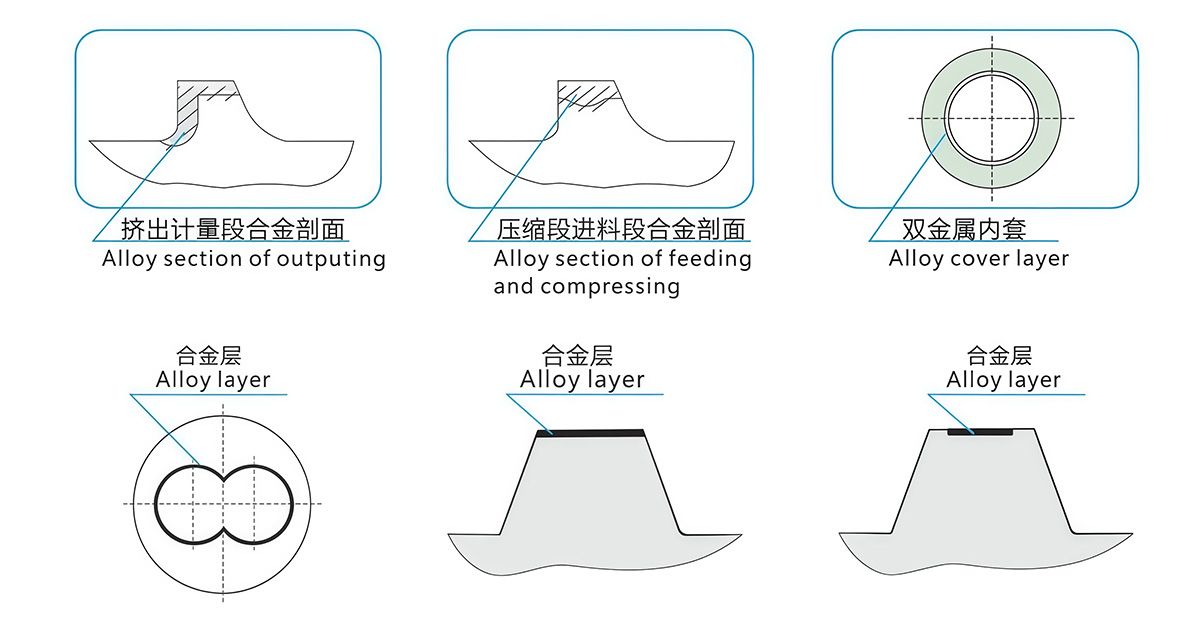
2.5 How the four material families map to the screw barrel exporter's recommendation
A common question from new compounding customers is: which of the four material families should I standardise on? There is no single answer — the right base steel, alloy liner, and surface treatment depend on the resin, the filler, the output target, and the maintenance plan.
A reliable twin screw barrel manufacturer will usually recommend, in order:
**Standard nitriding steel** if the duty is general-purpose polyolefin, non-abrasive, low-corrosion.
**Bimetallic with Ni-base alloy liner** if the duty is flame-retardant, halogenated, or mildly corrosive.
**Bimetallic with WC-Co liner** if the duty is highly abrasive (high-glass engineering compounds, mineral-filled PP, ceramic-filled PA).
**PM HSS or tool steel** if the duty is short runs of high-melt engineering polymers, or if rebuilding is planned over a longer life cycle.
In real-world compounding, more than 70% of twin screw barrel shipments for compounding customers are bimetallic. The price premium over nitrided construction is recovered in the first year by longer service intervals.
*PIPLL material practice:* Industrial screw barrel exporters like PIPLL publish the recommended alloy for each resin and filler combination. Custom screw barrel exporters who refuse to discuss alloy choice on the first call are usually the ones whose pricing only works without warranty support. Top exporters of screw barrels will always explain the alloy choice, never hide it.
3. Manufacturing Process: Screw and Barrel Side by Side
Both the screw and the barrel pass through a controlled chain of stages. Each stage has a measurable output that must be verified before the next begins.
3.1 Screw Manufacturing — Ten Stages
Step Process Purpose Key control before moving on 1 Design and engineering Define geometry for the application Parameters signed off against resin and machine data 2 Raw material inspection and cutting Confirm steel quality Chemical composition and internal defect check 3 Forging or rolling Improve grain flow and density Forging ratio and ultrasonic soundness 4 Rough machining Create the basic profile Machining allowance for heat treatment and grinding 5 Heat treatment Improve hardness and toughness, relieve stress Hardness, microstructure, straightness after treatment 6 Semi-finish machining Cut flights, root, mixing section, check ring seat Geometry accuracy and surface condition 7 Surface hardening Provide wear and corrosion resistance Layer depth, hardness, adhesion 8 Finish grinding Control diameter, flight width and depth, roughness Dimensional tolerance and surface roughness 9 Polishing Reduce friction and material sticking Roughness in the melt channels 10 Final inspection Verify the finished screw Dimensions, hardness, straightness, nitriding depth, trial fit Design parameters that drive Steps 1 and 6 include screw diameter, L/D ratio, compression ratio, feed / compression / metering zone lengths, flight pitch and depth, mixing elements (pins, Maddock, barrier, distributive mixing), check ring or non-return valve design, and screw tip / nozzle matching. Surface treatment choices in Step 7 — nitriding, hard chrome, tungsten carbide, HVOF, PVD, hardfacing, or alloy welding — each trade wear resistance, corrosion resistance, and cost differently.
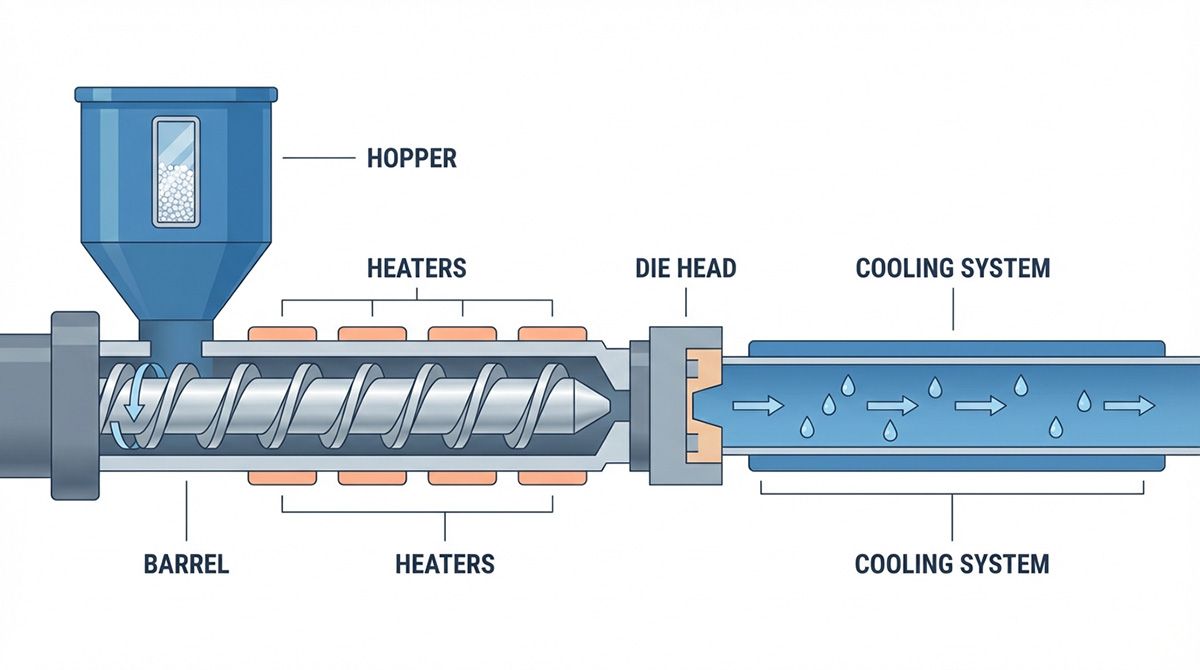
3.2 Barrel Manufacturing — Seven Stages
Step Process Purpose Key control before moving on 1 Material preparation Select billet that meets pressure and corrosion duty Material certificate and billet soundness 2 Rough boring Remove material, prepare for further processing Bore straightness and wall thickness 3 Bimetallic centrifugal casting Fuse alloy layer to the inner wall Layer thickness, bonding strength, no voids 4 Heat treatment Stabilise the barrel, improve mechanical properties Distortion control after treatment 5 Finishing boring and honing Achieve final internal geometry ID tolerance, roundness, roughness, concentricity 6 Flanging, thread, machining, feed throat Machine the barrel to the line interface Interface dimensions and surface flatness 7 Final assembly and inspection Verify fit before shipment Clearance, and fit with the screw Step 5 demands tight control of inner diameter tolerance, roundness, straightness, surface roughness, and concentricity with the flange. Step 6 covers the flange, feed opening, thermocouple holes, and heater band surfaces — interface errors cause installation and temperature control problems. For wear-resistant service, Step 3 places alloy powder inside the barrel, then rotates and heats it so the alloy melts and bonds to the inner wall.
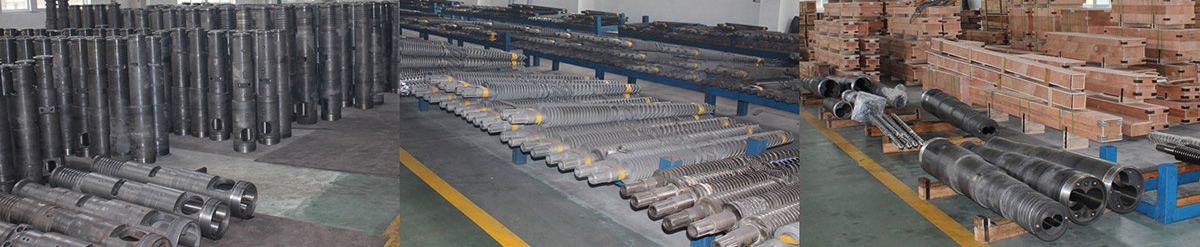
4. Surface Treatments and Their Applications
Surface treatments are the supplier’s industry reference values; always confirm the final specification against figures the supplier’s drawing before machines leave confirm. No single treatment fits every application — the right choice depends on resin, filler.
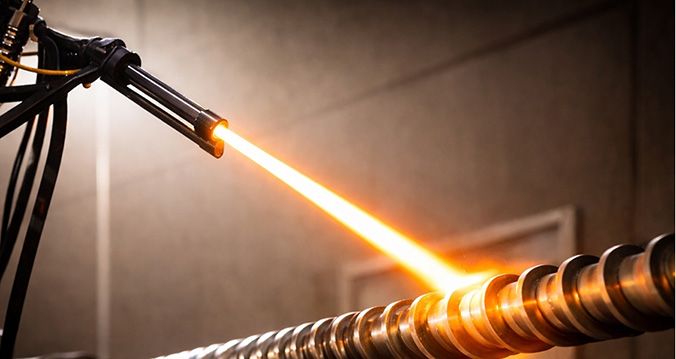
Common treatments include nitriding (about 0.4–0.7 mm case depth) for general duty, ferritic nitrocarburising, bimetallic cast carbide for high filler plastics for abrasive compounds including bimetallic corrosion resistant for toughest twin screw barrel applications.
5. Critical Quality Control Points
When evaluating a screw barrel supplier, do not focus only on appearance. Check the items below.
5.A — Fourteen critical quality control checks for a screw barrel order
When evaluating a screw barrel supplier — including screw barrel manufacturers and screw barrel factory exporters — do not focus only on appearance. The fourteen checks below are the working checklist PIPLL uses on every bimetallic twin screw barrel shipment before it leaves the factory, and most reliable twin screw barrel manufacturers will offer to share the report behind them on request:
1. Chemical composition certificate— confirms the steel grade actually supplied (mill certificate or third-party analysis).
2. Hardness of screw and barrel— determines wear resistance; hardness tester at defined positions.
3. Nitriding layer depth— too shallow wears through, too deep becomes brittle; micro-hardness traverse on a coupon or sample.
4. Bimetallic layer thickness and bonding strength— detects voids and weak bonding; ultrasonic testing and metallographic section.
5. Screw outer diameter tolerance— controls screw–barrel clearance; micrometer at multiple positions.
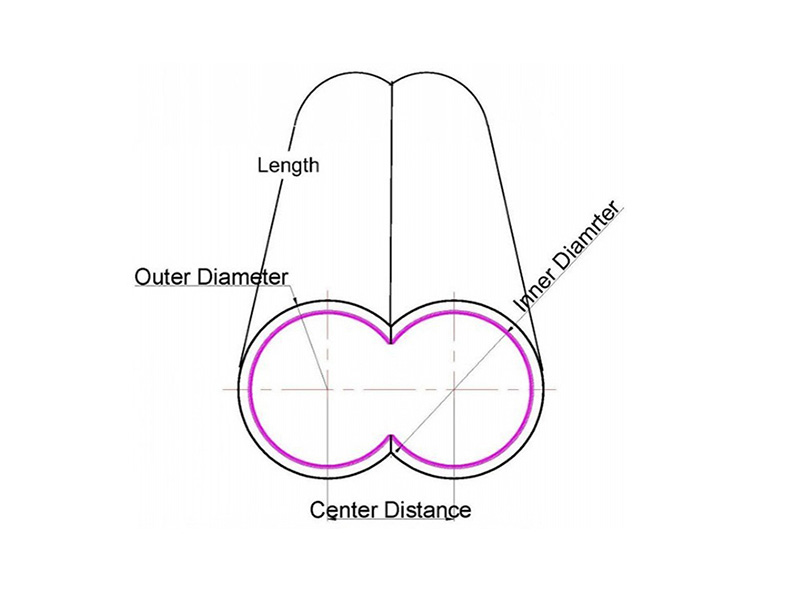
6. Barrel inner diameter tolerance— controls melt backflow and output; internal micrometer or bore gauge.
7. Roundness and straightness— prevents one-sided rubbing; dial gauge on V-block.
8. Surface roughness— affects sticking, black specks, and friction; roughness tester.
9. Screw–barrel clearance— the single most important fit dimension; calculated from measured OD and ID.
10. Flange concentricity— prevents installation and alignment problems; dial indicator on flange face and bore.
11. Straightness of screw— prevents vibration and uneven wear; V-block and dial gauge along the length.
12. Flight integrity and mixing element geometry— determines melting and mixing performance; profile gauge, visual and dimensional check.
13. Check ring and nozzle fit— determines shot stability in injection molding; trial assembly and measurement.
14. Trial assembly report— proves the pair works together before shipment; documented trial fit with recorded clearance.
For critical applications, additional non-destructive testing may include ultrasonic testing of the bimetallic bond, magnetic particle inspection of threaded sections, dye-penetrant inspection of suspect welds, and a thermal-soak test on the assembled barrel.
*PIPLL QC practice:* Industrial screw barrel exporters like PIPLL publish the inspection report format with every quote, and the top exporters of screw barrels will let customers nominate a third-party inspector for FAT (factory acceptance test). Reliable twin screw barrel manufacturers welcome this — it confirms that the barrel they ship matches the screw barrel they quoted.
6. Design Features That Affect Performance
Manufacturing quality alone is not enough. Design also matters. The design features that most often decide whether a screw barrel performs as expected are the L/D ratio, compression ratio, feed-zone geometry, and mixing-section layout — a custom screw barrel design aligns all of them to your resin and output target.
A screw barrel is a system. The best result comes when design, material, and manufacturing are aligned.
7. Why Prices Vary So Much
Two twin screw barrels with the same dimensions can still differ several-fold in price. The reasons are not random; they sit in eight price drivers that any reliable screw barrel manufacturer will be transparent about. Top exporters of screw barrels do not hide these; they explain them on the first call.
**Base material grade** — moderate effect on cost, direct effect on core strength.
**Bimetallic or not** — high cost impact, major effect on wear life. A bimetallic twin screw barrel can outlast a nitrided one by 3–5× in abrasive compounds.
**Nitriding depth and quality** — moderate cost, determines surface life and brittleness risk.
**PM steel or nickel-based alloy** — high cost, unlocks highly filled or corrosive duty.
**Complexity of the mixing section** — moderate-to-high cost, affects mixing quality and dead corners.
**Grinding and honing precision** — moderate cost, controls clearance and output stability.
**Inspection standards** — moderate cost, decides whether defects leave the factory.
**Custom interface machining** — variable cost, determines installation fit and downtime risk.
Two drivers sit outside the screw itself but still drive the price you'll pay from screw barrel exporters:
**Production volume** — moderate; economies of scale on small batches are limited.
**Supplier experience and warranty** — variable; well-experienced bimetallic screw barrel exporters transfer real warranty risk.
A lower price may be acceptable for simple, low-wear applications. For high-glass, high-corrosion, or high-output compounding duty, the cheapest bimetallic twin screw barrel usually ends up costing more in the second year than the more expensive one. PIPLL keeps a side-by-side comparison customers can use during their own ROIC analysis.
8. Preparing Your RFQ
8.A — Complete data package to send to a screw barrel manufacturer before RFQ
Before you request a quote from any screw barrel manufacturer — PIPLL included — pull the data below into a single PDF or email. Custom screw barrel exporters rely on this information to quote, design, machine, and pre-fit the screw and barrel correctly. A complete package also shortens your delivery lead time by 1–2 weeks.
*PIPLL RFQ note:* Industrial screw barrel exporters like PIPLL confirm all ten categories above within 24 hours of RFQ receipt. If you can only fill half of them, send what you have — top exporters of screw barrels are usually willing to fill the gaps with an experienced engineer rather than bounce the inquiry back.
Related Products
-
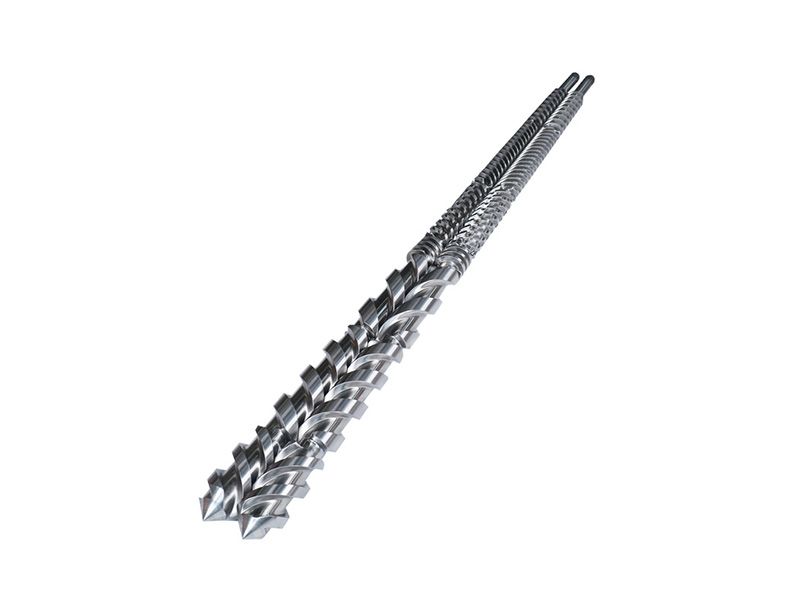
Plastic Polymer Compounding Parallell Twin Screw Barrel
-
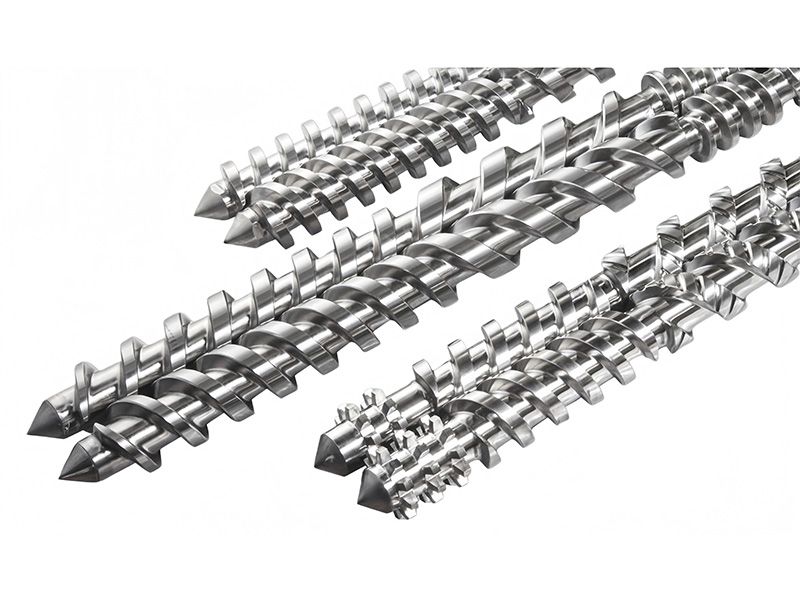
Battenfeld-Cincinnati twinEX Counter-Rotating Parallel Twin Screw Barrel
-
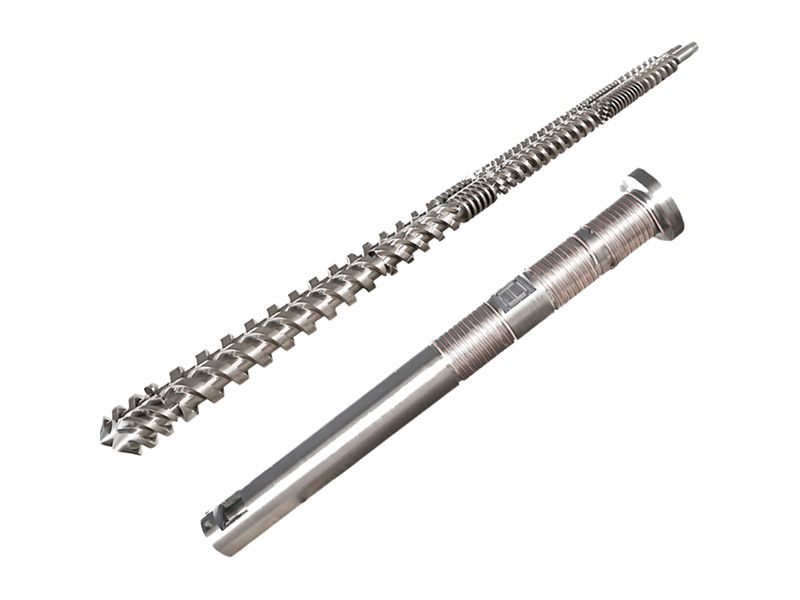
BAUSANO MD Counter-Rotating Parallel Twin Screw Barrel
-
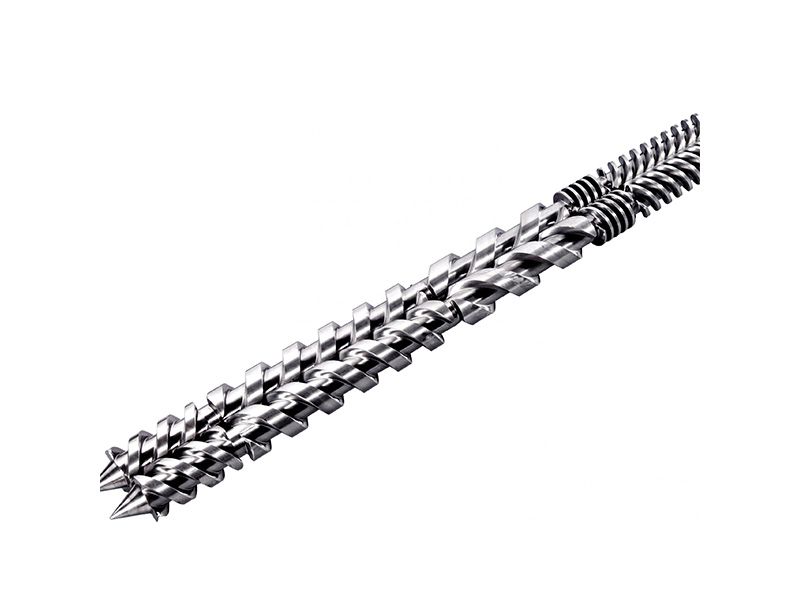
KABRA Counter-Rotating Parallel Twin-Screw Barrels
-
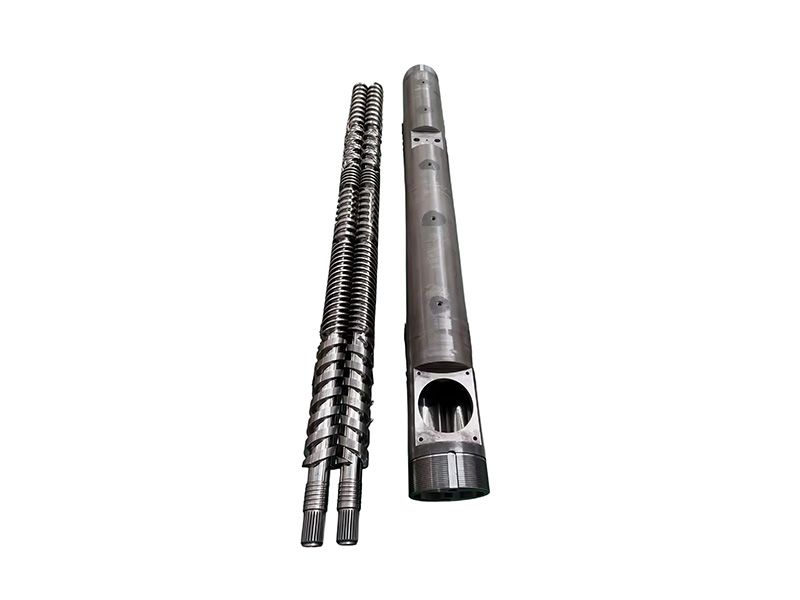
KRAUSS MAFFEI KMD Counter-Rotating Parallel Twin Screw Barrel
-
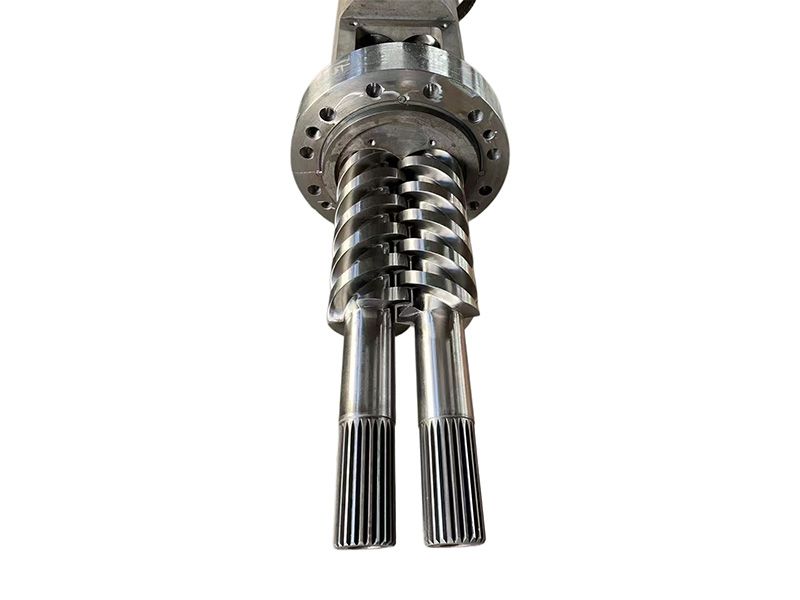
LUIGI BANDERA 2B HTS Counter-Rotating Parallel Twin Screw Barrel
-
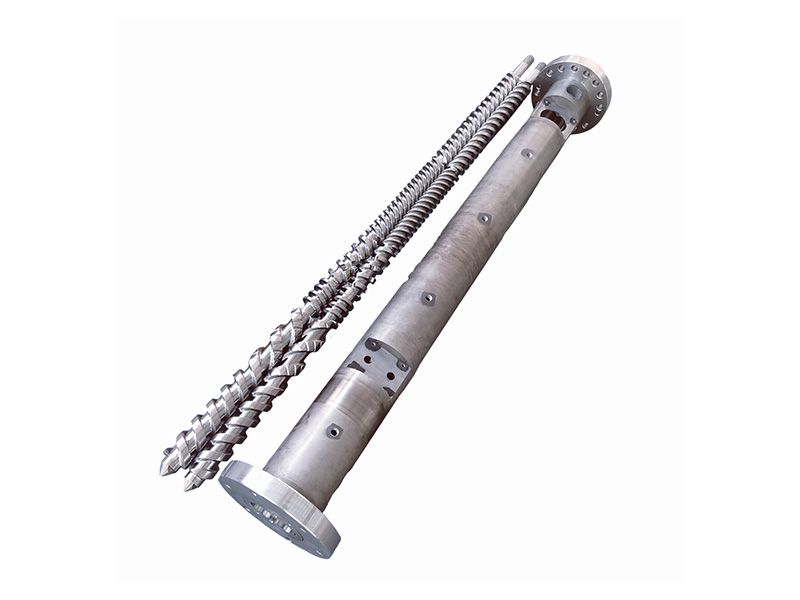
MIKROSAN MCV Counter-Rotating Parallel Twin Screw Barrel
-
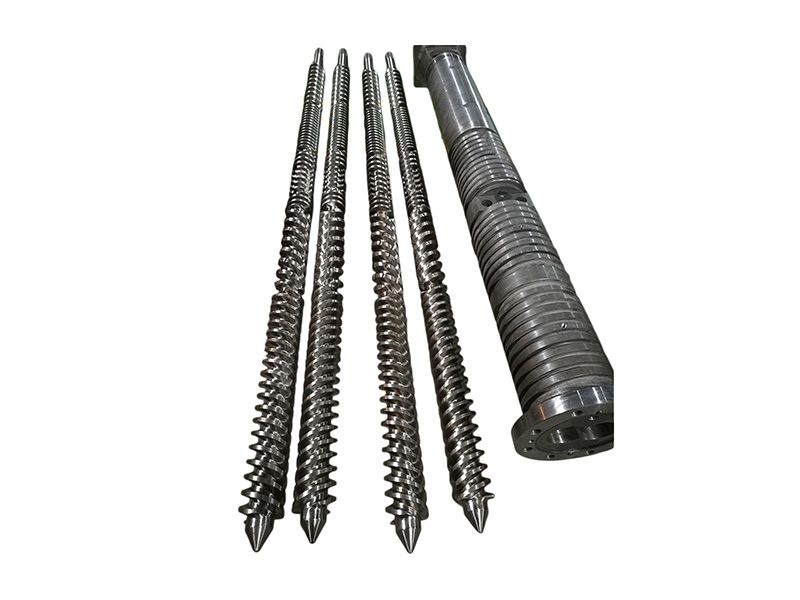
THEYSOHN XTS Counter-Rotating Parallel Twin Screw Barrel
-
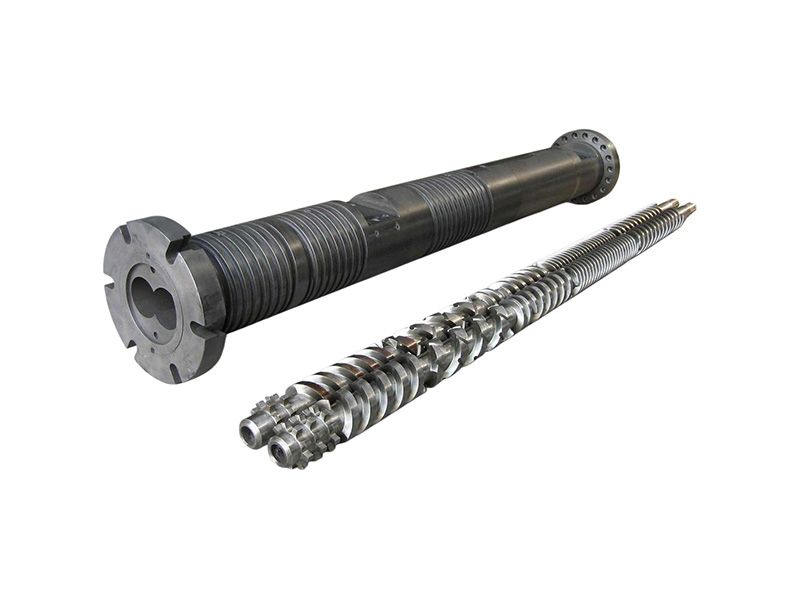
Weber DS Counter-Rotating Parallel Twin Screw Barrel