Flexible PVC to Rigid PVC Is Often the Highest-Risk Changeover
Flexible PVC formulations may contain plasticisers and additives that are not acceptable in the next rigid PVC product. The risk becomes especially high when the following product is transparent, light-coloured, glossy, odour-sensitive, or subject to strict customer quality requirements.
Where scheduling allows, a rigid PVC to flexible PVC sequence is often easier to manage than flexible PVC to transparent rigid PVC. However, scheduling does not replace proper purging and inspection. For frequent changeovers or highly sensitive products, separate screws or dedicated equipment may be more economical than repeated quality losses and downtime.
When Cleaning Problems May Actually Be Equipment Problems
A good cleaning routine cannot fully solve an equipment problem. If the same defects continue after disciplined purging, investigate the screw and barrel condition.
Possible warning signs include:
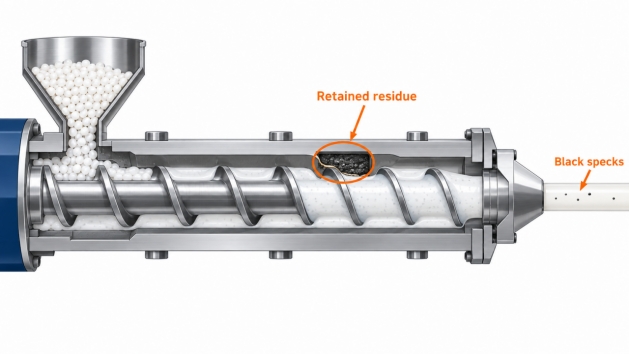
· Repeated black specks after a controlled purge
· Yellowing at normal operating conditions
· Falling output or unstable melt pressure
· Excessive motor load or unusual odour
· Visible screw wear, barrel scoring, or material leakage
· Deposits around a vented barrel section or evidence of dead zones
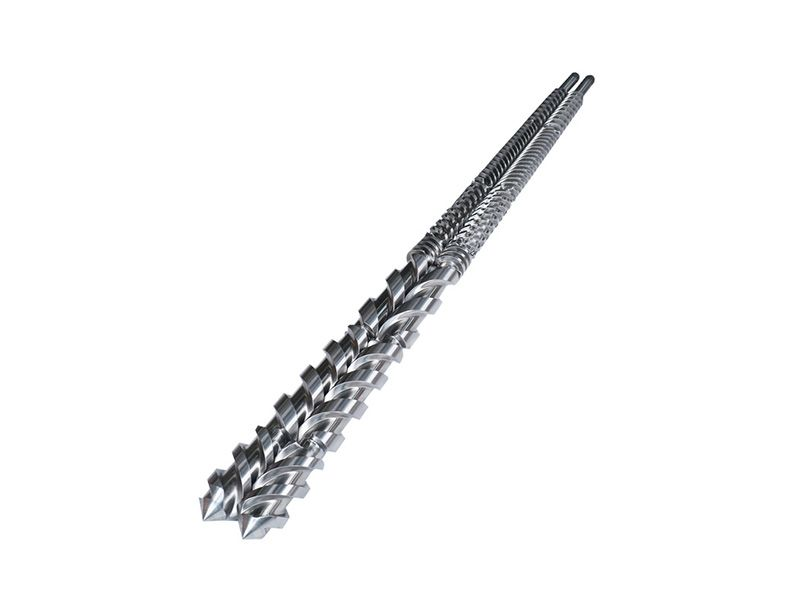
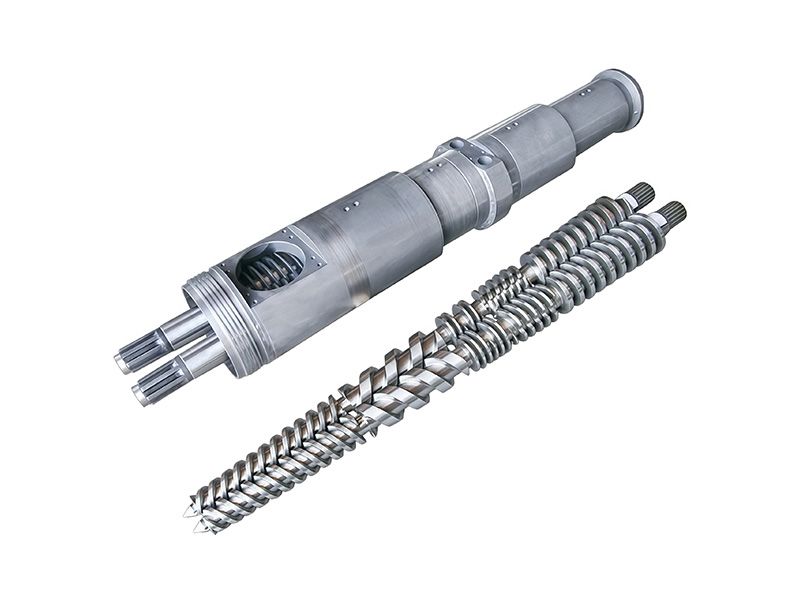
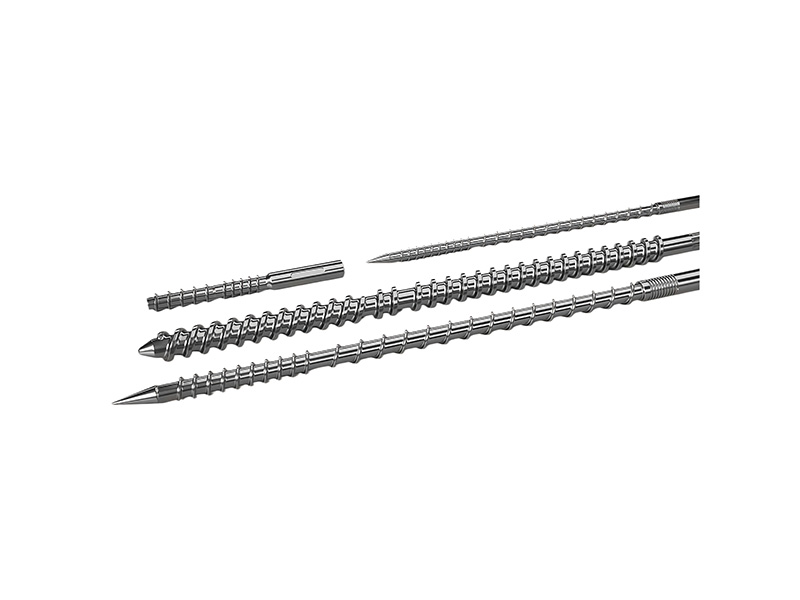
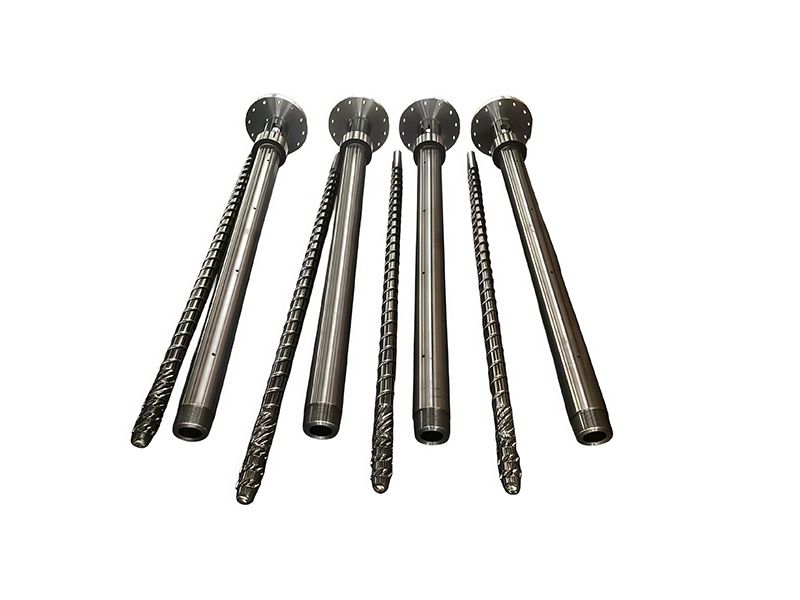
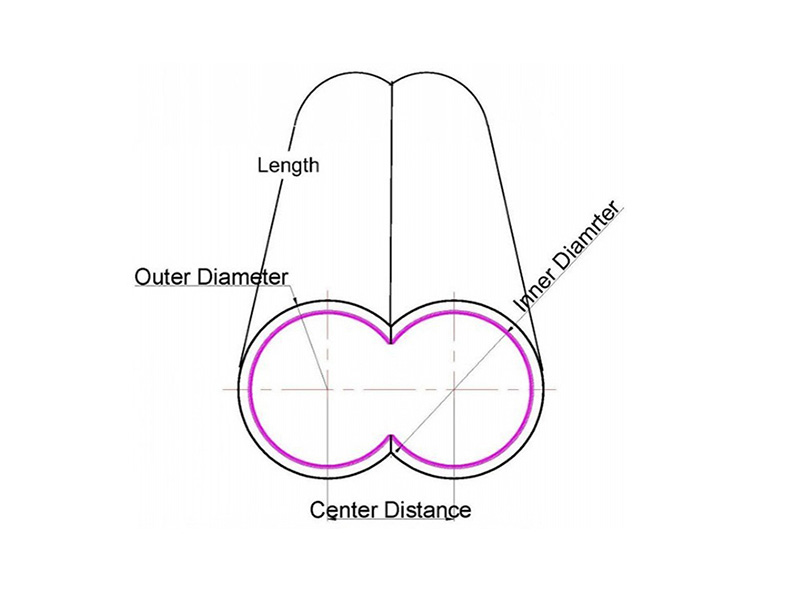
In these cases, an extruder screw barrel manufacturer should review the actual application, present screw design, barrel condition, material history, output target, and defect pattern. A nitrided screw barrel is a common choice for many PVC applications. For more abrasive or corrosive conditions, a bimetallic single screw barrel may be considered. However, material selection alone does not solve poor cleaning, excessive shear, or unsuitable screw geometry.
How PIPLL Can Help
PIPLL supports extrusion manufacturers with practical screw and barrel solutions for PVC, PE, PP, PET, and other polymer processing applications. For a PVC cleaning or quality issue, we can help review existing screw and barrel dimensions, screw design and L/D ratio, material history, production defects, barrel wear, venting arrangement, and changeover frequency.
The purpose is not to recommend replacement before it is necessary. It is to identify whether the problem comes from cleaning practice, processing conditions, screw design, barrel wear, or a combination of factors. This may lead to monitoring, repair, a replacement screw, or a custom single screw barrel solution.
Conclusion
PVC purging and changeover control should be treated as part of normal production quality management. A clean-looking output is not always proof that the extruder is clean internally. For processors making transparent, white, light-coloured, recycled, flexible, or premium rigid PVC products, a disciplined procedure can reduce black specks, yellowing, odour, and unnecessary waste.
When problems persist, it is time to review both the operating routine and the screw and barrel condition.
Contact PIPLL
Harry Jiang | PIPLL | Screw and Barrel Solutions for Plastic Extrusion
Supporting extrusion manufacturers with customized screw and barrel solutions for PVC, PE, PP, PET, and other polymer processing applications.
Email: Harry@pipll.com | WhatsApp: +86 182 6854 1152 | Website: www.pipll.com



 Languages