PMMA Polymethyl Methacrylate Film Extrusion Guide

2026-09-30

  • A Guide to Optical Quality Film Processing and Screw Barrel Selection

  • A PMMA polymethyl methacrylate film project needs a clear connection between the resin grade, the film specification, and the extrusion line. A correctly matched single screw barrel supports stable melting and delivery, while a custom screw and barrel review is useful when the existing line must be adapted for a new thickness range, width, surface requirement, or production target.

    PMMA, also called acrylic, is selected where visual clarity, surface appearance, rigidity, and weathering performance matter. Film quality is not controlled by one machine setting alone. Resin condition, contamination control, melt history, filtration, die condition, cooling, and the screw barrel system all affect the final result.

    This guide explains what PMMA polymethyl methacrylate is, how extruded PMMA film differs from cast material, which film properties should be written into a specification, and what production data helps define a suitable extrusion screw and barrel.

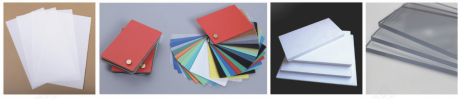
  • Figure 1. Transparent and colored sheet samples illustrate the appearance options used in acrylic film and sheet applications. Final PMMA film requirements should state clarity, color, thickness, and surface expectations.

  • What Is PMMA Polymethyl Methacrylate
    PMMA is a transparent thermoplastic commonly called acrylic. In film and thin-sheet applications, it is often chosen for its visual appearance and surface quality. The material is available in different grades and with additives, color systems, coatings, or surface treatments, so the resin name alone does not define the processing window or the finished-film performance.

    The phrase PMMA film light transmittance 92 percent is often used as a search term. It should not be treated as a universal product promise. Optical performance depends on the exact grade, thickness, color, surface texture, test method, and any coating or additive package. Specify the required test condition and acceptance value in the product brief.

    PMMA Film Properties to Put in the Product Brief
    Property or conditionWhy it matters for PMMA filmWhat to confirm
    Light transmission and hazeDefines the required optical appearance for clear display, lighting, or glazing-related uses.Grade, thickness, color, test method, and accepted range
    Film thickness and widthChanges die setting, cooling load, winding behavior, and downstream conversion requirements.Nominal value, tolerance, width, and edge-trim allowance
    Surface finishAffects gloss, texture, protective-film compatibility, and the visibility of flow lines or scratches.Gloss or texture target, coating, masking, and inspection standard
    Weatherability and UV exposureMay be important for signage, lighting covers, outdoor graphics, or transparent protective uses.Exposure environment, color stability target, and customer test requirement

  • Extruded PMMA Film Versus Cast PMMA Film
    Extruded and cast PMMA films are not interchangeable descriptions. Extrusion uses a continuous melt-processing route and is typically evaluated around thickness consistency, surface quality, output stability, and efficient conversion. Cast material can follow a different production route and may be chosen for a different combination of thickness, optical, or stress-related requirements. Select the route from the required product specification, not only from the word acrylic.

    Comparison pointExtruded PMMA film reviewCast PMMA film review
    Production approachContinuous melt delivery through the line, die, and cooling system.A distinct casting route that should be assessed against its product requirements.
    Key process focusMelt consistency, filtration, die condition, cooling, and draw or winding stability.Formulation, casting conditions, cure or handling requirements, and optical acceptance.
    Best selection methodConfirm thickness range, width, output, and downstream use with the line supplier.Confirm required appearance, thickness, stress behavior, and customer specification.

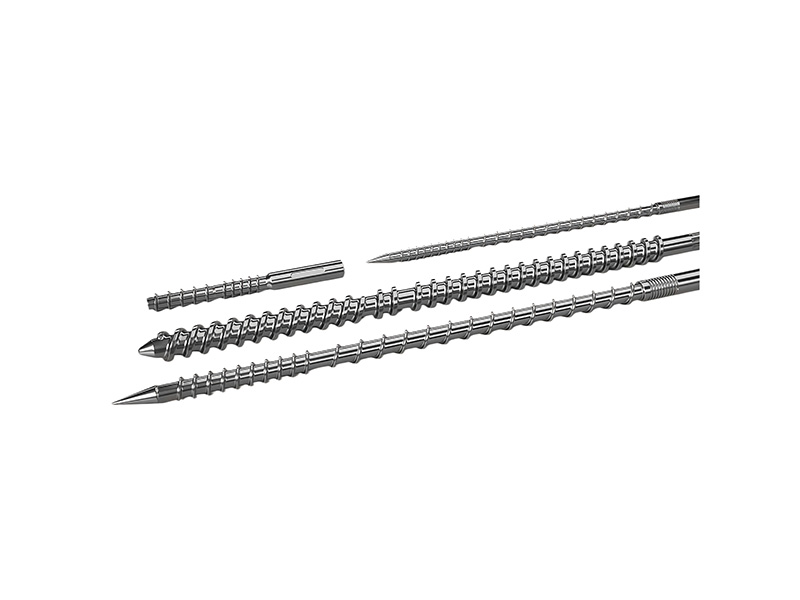
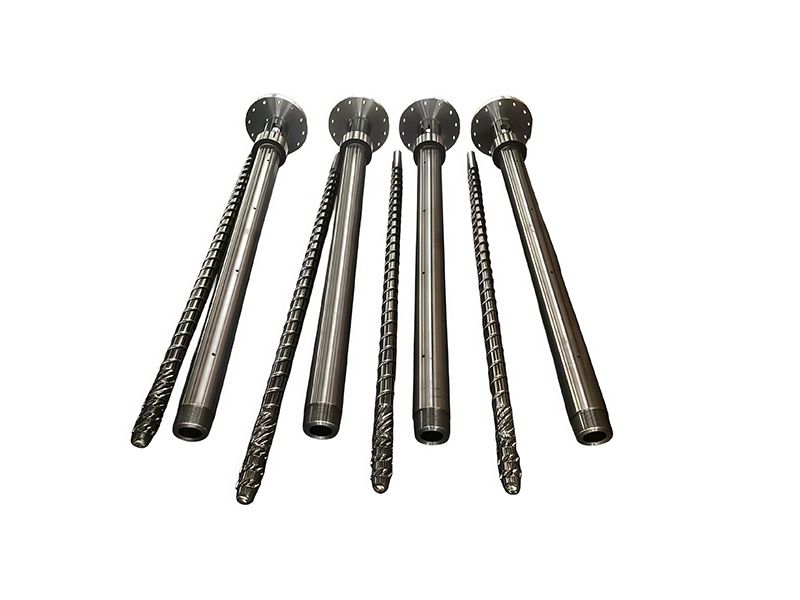
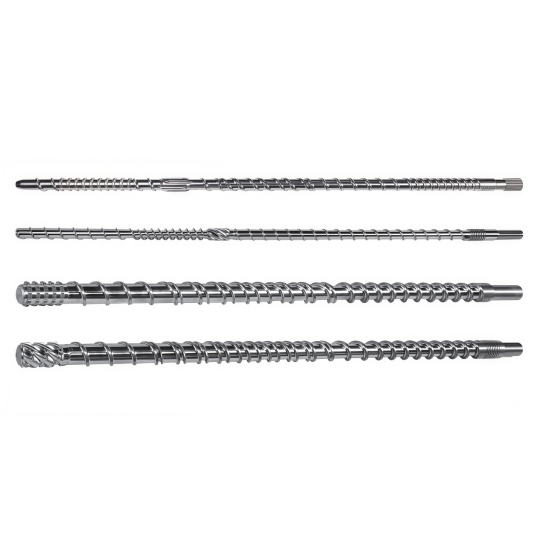
  • Figure 2. Single extrusion screws for sheet-oriented processing. The final profile must be matched to the PMMA grade, production line, and film specification.

  • PMMA Film Extrusion Process Controls
    A typical PMMA film line must feed a stable material stream, develop a uniform melt, remove contaminants before the die, form the melt into the required web, and cool and handle the film without damaging the surface. The temperature profile must come from the resin supplier data sheet and line validation. It should not be copied from another PMMA grade without a trial or technical review.
    · Start with the resin grade, moisture-control guidance, color or additive package, and the stated optical or surface target.
    · Review screen pack, filtration practice, and die cleanliness when gels, black specks, or repeated surface defects appear.
    · Record melt pressure trend, screw speed, output, die condition, cooling settings, and visible defect location before changing screw geometry.
    · Treat thickness variation, haze, flow lines, and winding marks as different symptoms; each can have a different source in the material, melt path, die, or downstream handling.

    How to Match the Screw Barrel to PMMA Film
    The screw and barrel must fit both the installed extruder and the processing duty. Confirm screw diameter, effective length, L D ratio, barrel zones, feed arrangement, die connection, and drive-end interface before a replacement is quoted. Then provide the PMMA grade, thickness range, width, current output, screw speed, pressure trend, and the defect or performance target.
    For a stable line that needs a replacement component, the most useful evidence is the current screw drawing, barrel drawing, measured wear, and photographs of the flight and bore condition. For a line change, explain whether the target is a different PMMA film thickness, a wider web, a new color system, improved surface appearance, or a higher output target. This helps separate a simple copy project from a geometry review.

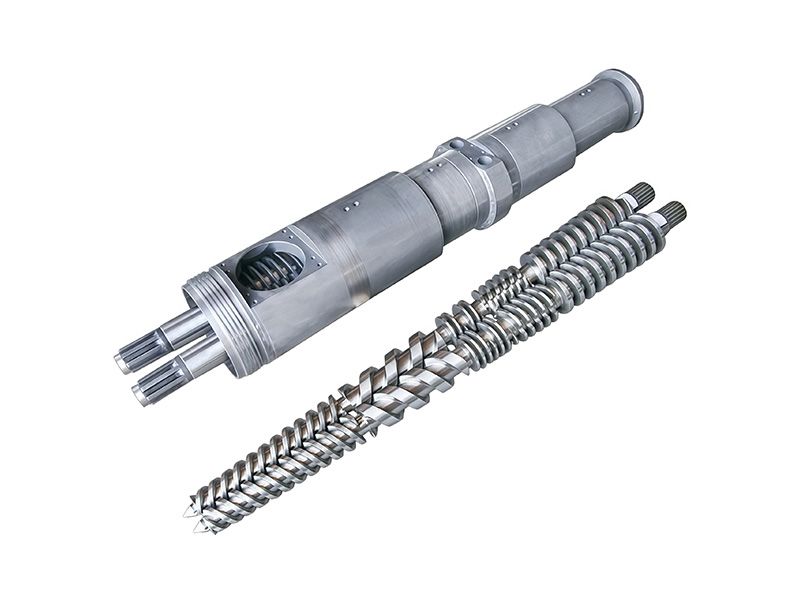
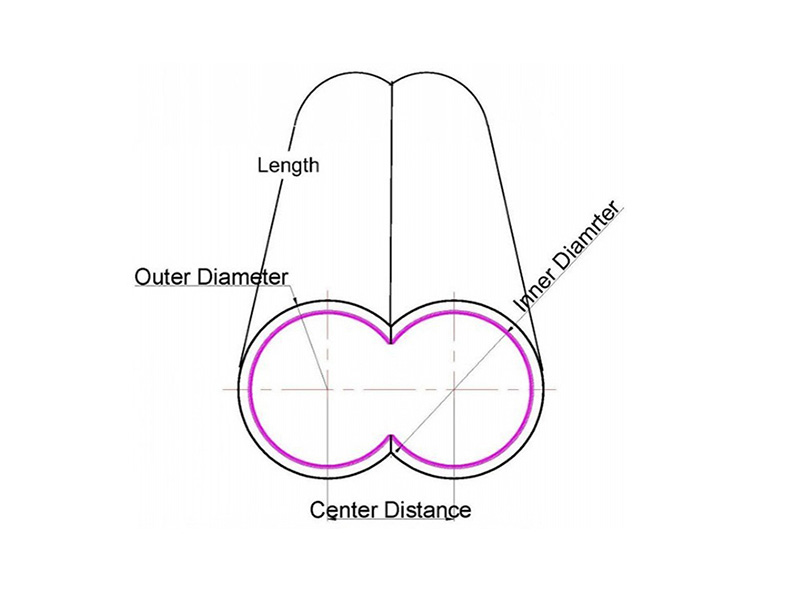
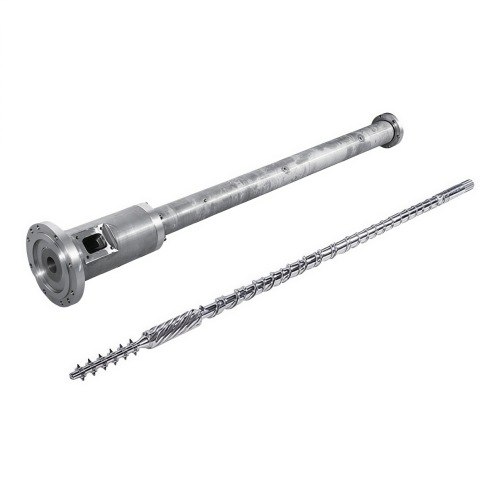
  • Figure 3. A single screw and barrel assembly. Dimensions, zone layout, feed opening, and drive-end details must match the installed PMMA extrusion line before manufacture.

  • PMMA Acrylic Film Applications
    PMMA acrylic film applications include display and signage components, lighting and optical covers, decorative surfaces, protective layers, and thermoformed or laminated products. The intended application should appear in the inquiry because it changes which properties are critical. A display or signage film may prioritize appearance and color consistency; a lighting-related part may emphasize transmission and diffusion; a protective layer may emphasize surface condition and downstream bonding.

    PMMA Film FAQ
    What is PMMA polymethyl methacrylate? PMMA is a transparent thermoplastic also known as acrylic. Its exact performance depends on the selected grade, thickness, color, additives, and finished-product design.
    Is extruded PMMA film the same as cast PMMA film? No. The names indicate different production approaches. The correct choice depends on the required product specification and should be confirmed with the material and line suppliers.
    How can a film producer reduce gels or flow lines? First separate the symptom: check material condition, filtration, screen changes, screw and barrel condition, die cleanliness, and cooling or handling records. Change one verified factor at a time rather than assuming the screw is the only cause.

    Information to Send for a PMMA Film Extrusion Inquiry
    · PMMA grade, resin supplier data sheet, color or additive package, and any drying or material-handling requirement
    · Film thickness range, width, transparency or haze target, surface finish, and downstream application
    · Extruder make and model, screw diameter, L D ratio, barrel-zone arrangement, and original drawing if available
    · Current output, screw speed, melt pressure trend, temperature profile, and photos of the finished-film defect if present
    · Photos and measurements of the existing screw flights, barrel bore, feed opening, die connection, and drive-end interface

    Conclusion
    A PMMA polymethyl methacrylate film project should start with the required optical, thickness, surface, and application data, then connect that specification to the actual line. Extrusion quality depends on the complete material-to-die path and the downstream cooling and handling steps. A documented PMMA grade, product brief, machine record, and current process data give the screw barrel supplier a practical basis for a replacement or technical review.

    Related PIPLL Pages
    · PMMA Polymethyl Methacrylate Film - For PIPLL PMMA film and acrylic-processing information.
    · PMMA Polymethyl Methacrylate Extrusion - For the PIPLL PMMA material-solution page.
    · Single Screw Barrel - For single-screw extrusion screw barrel options.
    · Custom Extruder Screws and Barrels - For drawing-based and measurement-based PMMA extrusion projects.

    Technical and Sales Contact
    Young | PIPLL | Screw and Barrel Solutions for Plastic Extrusion
    Supporting extrusion manufacturers with customized screw and barrel solutions for PVC, PE, PP, PET, and other polymer processing applications.
    Email: Young@pipll.com | WhatsApp: +86 150 5840 4692 | Website: www.pipll.com

Copyright © PIPLL All rights reserved Designed & SEO by www.followala.com Sitemap | XML

One-stop PVC Chemicals Solution | PVC stabilizer